What Color Should Coconut Water Be and When to Worry
On this page 6 sections
Coconut water is a popular natural drink extracted from young green coconuts. Its color ranges from nearly clear to pale yellow, sometimes with a slight golden tint depending on freshness and processing.
Understanding the color of coconut water helps you know if it’s fresh, safe to drink, or if it has added ingredients. This guide explains what color to expect, what changes mean, and how to choose the right coconut water for your needs.
Normal Color of Coconut Water
Coconut water is usually clear to pale yellow. Fresh coconut water will not be bright white or orange. This natural drink comes mostly from young green coconuts, which is why its color stays quite light.
The clear to pale yellow shade happens because coconut water is mostly water with dissolved sugars, electrolytes, and natural compounds. These components don’t add strong color, so the liquid looks transparent or faintly tinted.
Fresh coconut water should resemble the color of very light tea or slightly yellowish water. It is not milky or opaque. If you see bright white or orange colors, that usually signals something added or a problem with freshness.
Color can vary a bit depending on the coconut’s age and how the water was processed. Younger coconuts tend to yield clearer water, while older coconuts may produce a slightly darker or more yellowish liquid. Processing methods like pasteurization or exposure to air can also affect the shade.
Keep in mind that pure coconut water doesn’t have the deep green or brown tones of the coconut’s shell or flesh. Its natural color range is narrow but consistent: clear to pale yellow, never bright or cloudy.
Reasons Coconut Water Changes Color
Coconut water darkens naturally over time due to oxidation. When exposed to air, compounds in the water react and cause it to shift from clear or pale yellow toward a deeper yellow or slightly brownish tint.
A slight yellowing is normal and safe to drink. It means the water is older or has been opened for a while but hasn’t spoiled. This color change doesn’t affect the electrolytes or sugars that make coconut water hydrating.
If coconut water turns orange or becomes cloudy, this is a warning sign. These colors may indicate spoilage or fermentation, especially if the liquid smells sour or off. Consuming spoiled coconut water can cause stomach upset, so it’s best to discard it.
Additives like lemon juice or other flavorings can also change coconut water’s color. Lemon water, for example, can give a pale yellow or slightly cloudy appearance, but this is not harmful if the ingredients are fresh.
If you see orange color in coconut water, it’s safest not to drink it. Yellow color alone usually means it’s okay but starting to age. When in doubt, trust your senses: any odd smells or textures mean you should skip it.
How Sugar and Additives Affect Coconut Water Color and Health
Vita Coco pressed coconut water tends to have a pale yellow color, which is normal and safe to drink. Its slight yellow tint comes from natural components and minimal processing, not spoilage.
Some coconut water brands add sugar or other sweeteners, which can deepen the color slightly. Typically, added sugar raises the calorie count and may change the taste but doesn’t drastically alter the natural clear to pale yellow hue.
For example, Vita Coco Original contains about 6 grams of sugar per 8 oz serving, while some brands like Harmless Harvest offer unsweetened options with no added sugar. Checking the nutrition label is essential, especially if you monitor your sugar intake.
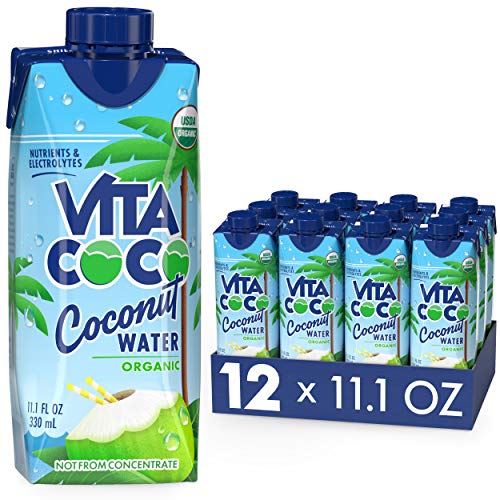
Additives such as preservatives and flavor enhancers can influence both color and taste. Some brands include natural flavors or stabilizers that might cause a slight cloudiness or color change, which is safe but different from pure coconut water.
People with diabetes or those limiting sugar should not rely on color alone to gauge sugar content, as even clear or lightly tinted products can contain added sugars. Always read the ingredient list and sugar amount on the label.
People Who Should Watch Coconut Water Color and Ingredients
Coconut water is usually clear to pale yellow. When it turns dark brown or develops an unusual smell, it is best to discard it as these signs suggest spoilage.
People with diabetes or those on sugar-restricted diets should watch the label carefully. Color does not reliably indicate sugar levels, so even a clear coconut water might contain added sugars or sweeteners.
Those with allergies or sensitivities need to be cautious about additives like preservatives or flavorings, which can cause reactions even if the coconut water’s color appears normal.
Old coconut water often darkens due to oxidation or fermentation starting, which can affect taste and safety. Unusual colors such as pink, cloudy, or dark brown warrant throwing the product out.
Always store coconut water as recommended and consume it by the use-by date. If you notice any off smells or tastes, err on the side of caution and discard it.
For people who want to explore how coconut water compares with other drinks, including color and sugar content, see our guide on what to mix with coconut water for hydration.
How Coconut Water Compares With Similar Drinks
Coconut water is often mistaken for plain water but it offers more: it contains natural sugars, electrolytes, and minerals. Unlike seltzers, which are carbonated waters with no calories or sugars, coconut water has calories and natural sugars that contribute to its flavor and color. These components affect its nutrient content and how it hydrates you.
Unlike seltzers, which are carbonated water with no calories, sugars, or minerals, coconut water naturally contains electrolytes like potassium and magnesium. These help with hydration and muscle function, making it more than just a flavored fizzy drink.
Fruit juices usually have a much deeper or brighter color—orange, red, or purple—because of the fruits and sometimes added colorings. They also tend to have a higher sugar content, often 20 grams or more per 8 oz serving, while coconut water generally has less sugar, around 6 grams per 8 oz, coming from natural coconut sugars.
Sports drinks can be colorful too, often bright blue, red, or yellow, with added sugars and artificial ingredients to quickly replenish energy and electrolytes during intense exercise. Coconut water offers a milder acidity and fewer additives, appealing to those who want a natural alternative with a comparable electrolyte profile.

| Drink | Typical Color | Sugar per 8 oz (g) | Notes |
|---|---|---|---|
| Coconut Water | Clear to pale yellow | 6 | Natural electrolytes, mild acidity |
| Seltzer | Clear | 0 | No sugars or minerals, carbonated |
| Orange Juice | Bright orange | 21 | High natural sugar, no carbonation |
| Sports Drink | Red, yellow, blue | 14–20 | Added electrolytes and sugars, artificial colors |
The mild acidity of coconut water makes it less likely to aggravate sensitive stomachs compared to citrus juices, which are more acidic. This can be important for those managing reflux or digestive discomfort.
If you already drank a sugary fruit juice or sports drink, switching to coconut water can reduce your daily sugar intake while still supporting hydration. It’s especially useful for those watching blood sugar or reducing artificial additives.