What Triggers That Sudden, Sharp Pain?
You know the feeling. One moment you’re sleeping soundly or cooling down after a run, and the next, a knot of pain seizes your calf or foot. Muscle cramps are involuntary, forceful contractions that refuse to relax. They strike without warning and can leave you sore for days.
Several factors team up to cause these attacks. Dehydration tops the list. When your body loses more fluid than it takes in, the balance of minerals inside and outside your muscle cells shifts dangerously. Overworked muscles, sitting for too long, or standing on hard surfaces also set the stage. Underlying issues like poor circulation, nerve compression, or mineral deficiencies often pull the trigger. The root cause almost always circles back to electrolytes—specifically sodium, calcium, magnesium, and potassium.

Your muscles rely on a precise electrical signaling system. Nerves fire, minerals flow across cell membranes, and the muscle contracts and releases. Disrupt that mineral balance, and the nerve keeps firing. The muscle locks down. This is why hydration isn’t just about water volume; it’s about the quality and mineral content of what you drink.
Why Coconut Water Deserves Your Attention
Coconut water isn’t just a trendy drink. It’s the clear liquid inside young green coconuts, packed with bioavailable nutrients. Long before commercial sports drinks lined store shelves, people in tropical regions used it as a natural rehydration fluid. But what makes it relevant for cramp relief?
Let’s break down the nutritional profile of one cup (240 ml) of unsweetened coconut water.
Electrolyte Breakdown in Coconut Water
| Nutrient | Amount (Approx.) | Role in Muscle Function |
|---|---|---|
| Potassium | 600 mg | Core mineral for nerve signaling and muscle contraction |
| Magnesium | 60 mg | Helps muscles relax after contraction; blocks calcium influx |
| Calcium | 58 mg | Triggers the initial contraction mechanism |
| Sodium | 252 mg | Maintains fluid balance; varies by brand |
Compare this to a standard banana, which contains roughly 420 mg of potassium. A single serving of coconut water delivers more potassium, plus an array of other minerals that a banana lacks. The presence of magnesium sets coconut water apart from many synthetic sports drinks that skip this crucial relaxing mineral.
If you suffer from frequent nocturnal charley horses, you might find quick relief not just from beverages but also from targeted topical products. Many of our readers pair their hydration routine with Organic Amish Leg for immediate muscle relaxation before bed.
How Potassium and Magnesium Stop the Spasm Cycle
The conversation around coconut water for muscle cramps usually focuses on potassium, and for good reason. Potassium is the primary intracellular ion. It maintains the resting electrical potential of your muscle cells. When potassium drops, the cell becomes hyperexcitable—ready to twitch or cramp at the slightest provocation.
Magnesium plays a quieter but equally critical role. At the neuromuscular junction, calcium rushes into a muscle cell to make it contract. Magnesium acts as a natural calcium blocker, pushing calcium back out so the muscle fiber can lengthen and relax. A magnesium shortage leaves calcium lingering inside the cell, keeping the muscle in a semi-contracted, irritable state. This double hit—low potassium making nerves trigger-happy, low magnesium preventing relaxation—creates the perfect environment for leg cramps.
- Potassium deficiency cramps often show up during exercise or at night.
- Magnesium deficiency cramps tend to feel like a deep, persistent knot that won’t unlock.
- Sodium loss through sweat aggravates both, which is why plain water sometimes isn’t enough.
Coconut Water vs. Sports Drinks and Other Remedies
You might wonder, “Is coconut water better than banana for cramps?” The answer depends on the scenario. A banana gives you potassium and some carbs. A sports drink gives you sodium and simple sugars. Coconut water gives you potassium, magnesium, calcium, and natural sugars without artificial colors or high-fructose corn syrup.
Coconut Water vs. Sports Drinks: A Quick Comparison
| Factor | Coconut Water | Standard Sports Drink |
|---|---|---|
| Potassium per serving | High (600 mg+) | Low (30–50 mg) |
| Magnesium | Present | Rarely included |
| Sodium | Moderate | High |
| Added sugars | Low to none | High |
| Artificial ingredients | None | Often present |
For heavy, prolonged sweating, a sports drink’s high sodium content might be necessary. But for everyday hydration and nighttime cramp prevention, coconut water offers a broader mineral profile. It directly addresses the potassium deficiency cramps that sports drinks ignore.
Another natural remedy gaining attention is pickle juice. The sharp taste triggers a neural reflex in the throat that may stop a cramp within minutes—faster than any electrolyte drink can be absorbed. For a deeper look at that mechanism, we recommend exploring the science behind pickle juice for muscle cramps.
What Does the Science Actually Show?
Marketers love to tout electrolyte drinks for cramps, but you deserve the real data. A 2024 study published in the National Library of Medicine examined exercise-induced cramps and rehydration strategies. The researchers found that beverages containing both potassium and magnesium reduced the frequency of electrically-induced muscle cramps more effectively than plain water. Coconut water, naturally containing both, fits this profile.
Earlier clinical work focused on hydration for cramps confirms that fluid alone isn’t the answer. In one trial, subjects who drank an electrolyte beverage after dehydrating exercise experienced fewer cramps than those who drank equal volumes of plain water. The protective effect correlated strongly with potassium and magnesium intake.
Key findings from recent research include:
- Exercise-induced cramps appear sooner and last longer when serum potassium is low.
- Magnesium supplementation reduces nocturnal leg cramp frequency in older adults.
- Combined electrolyte intake (not just sodium) matters for neuromuscular junction stability.
- Natural sources like coconut water match or outperform synthetic electrolyte drinks in cramp reduction trials.
Practical Tips: How to Use Coconut Water for Cramp Relief
You don’t need to guzzle liters of coconut water to see benefits. Use it strategically. Timing, dosage, and pairing with other habits make the difference between occasional relief and consistent prevention.
How Much Coconut Water to Drink for Muscle Cramps
- Prevention: Drink 8–12 ounces (240–350 ml) in the morning and another 8 ounces before bed. This routine maintains steady potassium levels.
- Pre-workout: Consume 8–16 ounces 60–90 minutes before exercise. This gives your body time to absorb the minerals and void excess fluid.
- During long activity: Sip 4–8 ounces every 20–30 minutes for sessions lasting over 90 minutes.
- Acute cramp relief: While drinking coconut water won’t stop an active cramp instantly (that requires neural intervention like stretching), rehydrating right after helps prevent a second wave of spasms.
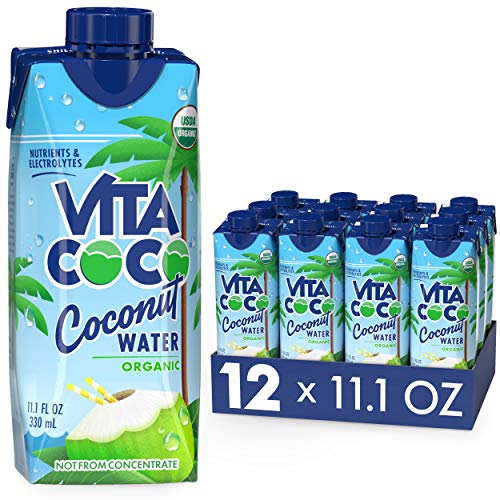
Not all coconut waters are equal. Choose unsweetened, unflavored varieties. Check the label. You want a product with at least 400 mg of potassium per serving and no added sugar. Vita Coco and Zico both offer pure options that meet these criteria. Avoid coconut water “beverages” that list sugar or concentrate as the first ingredient.
Pairing Coconut Water with Other Natural Approaches
Think of coconut water as one tool in your cramp-prevention toolkit. Combine it with these habits for stronger results:
- Stretch before bed. A 3-minute calf and hamstring stretch routine reduces nocturnal cramp frequency by 40% in some studies.
- Use a topical muscle rub. Products like Organic Amish Leg deliver soothing ingredients directly to cramped areas. You can Organic Amish Leg apply it before sleep for preventive comfort.
- Check your footwear. Flat, unsupportive shoes strain calf muscles all day, priming them for nighttime cramps.
- Stay active. Prolonged sitting starves muscles of circulation. Get up and walk every hour.
For those who experience cramps linked to menstrual cycles, the electrolyte discussion takes on another dimension. Hormonal shifts alter fluid retention and mineral balance. Many find targeted relief strategies helpful. Our guide on natural approaches to exercise recovery covers additional methods that complement electrolyte management during those times.
Putting It All to Work for You
Coconut water helps cramps by delivering the two minerals your muscles need most desperately during a spasm: potassium to calm nerve excitability and magnesium to force muscle fibers to relax. It’s not a magic bullet that stops an active cramp mid-spasm—you’ll still need to stretch and breathe through that. But as a daily habit, it addresses the underlying deficiencies that trigger most leg cramps, particularly those that wake you at 2 a.m.
Start with 8 ounces of unsweetened coconut water before bed tonight. Pay attention to how your body responds over the next week. Fewer disturbances, quicker recovery after exercise, and less muscle tenderness all signal that your electrolyte tank is finally full. When you support the neuromuscular junction with the right minerals, your muscles stop misfiring and start functioning the way they should.