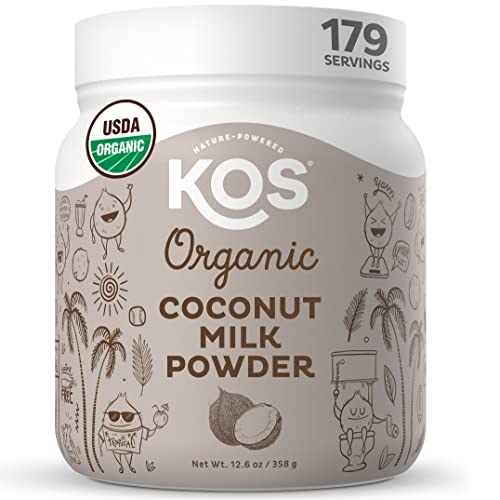
Yes, unsweetened coconut milk can fit a keto diet. The answer depends on the product type, serving size, and added sugar.
Canned coconut milk usually contains more fat and fewer carbohydrates per typical serving than coconut milk drinks. Sweetened versions can use enough sugar to disrupt your daily carb budget.

365 by Whole Foods Market
365 by Whole Foods Market, Organic Unsweet…
- Vegan cornbread and muffin mix
- Creates delicious breakfast muffins or classic cornbread
- Perfect accompaniment to chili or soup
The safest rule is simple: check the nutrition label, choose unsweetened products, and count the serving you actually use.

How the advice changed
Older keto advice often treated coconut milk as an automatic choice. Its high fat content made it seem naturally suited to very low-carbohydrate eating.
That advice missed an important detail. Coconut milk comes in several very different forms, including canned cooking milk, refrigerated drinks, sweetened beverages, and concentrated cream.
Nutrition labels became more useful as these products spread. Shoppers could compare total carbohydrates, fiber, added sugars, and serving sizes instead of judging a product from its name alone.
Keto practice also shifted toward net-carb tracking. Net carbs usually equal total carbohydrates minus fiber, although people with medical conditions should follow their clinician’s method.
Modern guidance is more careful. Unsweetened coconut milk may work well, but no coconut milk product receives an automatic keto pass.
What older advice got wrong
Wrong idea: all coconut milk is keto-friendly
Coconut milk is not one uniform food. A sweetened carton drink can contain much more carbohydrate than plain canned coconut milk.
Some products also contain rice syrup, cane sugar, maltodextrin, or other carbohydrate sources. The word coconut cannot cancel those ingredients.
Wrong idea: high fat makes the carb count irrelevant
Fat does not erase carbohydrate. Keto diets usually depend on a personal carbohydrate limit, so every meaningful carbohydrate source still matters.
A small splash may fit easily. Several large servings can change the day’s totals.
Wrong idea: coconut milk always provides a major nutritional advantage
Coconut milk offers useful texture and flavor, but it is not automatically rich in protein or micronutrients. Fortified carton drinks may differ from canned cooking milk.
Some versions contain little protein. Others contain added nutrients, stabilizers, or sweeteners. The package label answers those questions.
What was always situational
Some older advice remains valid in the right context. Canned coconut milk can suit keto recipes when the serving stays modest and the label shows few net carbs.
Portion size has always mattered. A curry using one tablespoon creates a different result from a smoothie using one full cup.
Personal tolerance also varies. Some people track total carbohydrates, while others track net carbs. Medical diets may require stricter rules.
Coconut milk can also cause digestive discomfort in some people. High-fat meals may feel heavy, especially during the first week of keto.
What has not changed
Unsweetened products remain the better choice for keto. Added sugar still contributes carbohydrate, regardless of the product’s fat content.
Labels still deserve more trust than front-of-package claims. Terms such as natural, organic, and dairy-free do not mean low-carb.
Serving size remains central. A label may list nutrition for one cup, while your recipe uses several cups.
Coconut milk also remains calorie-dense. It can fit keto without fitting every calorie target. That trade-off is easy to miss in creamy recipes.
Canned coconut milk versus carton coconut milk
| Product type | Typical use | Keto considerations |
|---|---|---|
| Unsweetened canned coconut milk | Curry, soup, sauce, and desserts | Often low in net carbs, but check the label and serving size |
| Unsweetened carton coconut drink | Coffee, cereal, smoothies, and drinking | Usually thinner and less fatty; carbohydrate content varies |
| Sweetened carton drink | Drinking or flavored beverages | Added sugar can make it unsuitable for strict keto |
| Coconut cream | Thick sauces and desserts | Often concentrated, so portions need closer tracking |
| Coconut beverage blend | Drinks and coffee | May include starches, sugar, or other plant ingredients |
These categories describe common patterns, not fixed nutrition values. Brands use different recipes, so compare the actual package.
How many carbs does coconut milk contain?
Plain canned coconut milk often contains a small amount of carbohydrate per serving. The exact amount depends on coconut content, water, thickeners, and the listed serving size.
Carton drinks can vary more widely. Some contain very little carbohydrate, while flavored or sweetened versions contain substantially more.
Use this calculation when the label provides fiber:
Net carbohydrates = total carbohydrates − dietary fiber.
For example, a serving with 2 grams of total carbohydrate and 1 gram of fiber provides 1 gram of net carbohydrate under this method.
Check the entire ingredient list too. Added sugars may appear under names such as cane sugar, syrup, or dextrose.
Can coconut milk keep you in ketosis?
It can, if the product fits your daily carbohydrate limit. Keto plans often use different carbohydrate targets, so one universal serving rule cannot work for everyone.
A tablespoon in coffee rarely uses the same carb allowance as a full bowl of coconut-based soup. Your food log should reflect the measured amount.
Ketosis also depends on your total intake. Coconut milk alone does not determine whether your body produces ketones.
People with diabetes, medication needs, or a prescribed therapeutic diet should ask a qualified clinician for tailored advice. Our guide to coconut milk and diabetes covers a related concern.
Best keto uses for coconut milk
Unsweetened canned coconut milk works well in savory dishes. Try it in curry, cauliflower soup, seafood stew, or a creamy pan sauce.
A small amount can add body to coffee or tea. Coconut cream creates a thicker result, but it also makes portion control more important.
Unsweetened carton coconut milk suits smoothies and cereal substitutes. Read the label before adding fruit, protein powder, or nut butter.
Coconut milk can also support dairy-free cooking. The flavor is noticeable, so it may not suit every recipe.
How to read a coconut milk label
- Find the serving size. Compare it with the amount you plan to use.
- Check total carbohydrates. Record the number for your measured portion.
- Check dietary fiber. Subtract it only if your diet uses net carbohydrates.
- Look for added sugar. Sweeteners can turn a low-carb product into a poor keto choice.
- Read the ingredients. Watch for syrups, starches, and sweetened flavorings.
- Check the product form. Canned milk and carton beverages serve different purposes.
Labels sometimes list a small serving for a concentrated product. A kitchen spoon can overshoot that amount quickly.
A note about the listed Amazon product
The supplied listing identifies 365 by Whole Foods Market, Organic Unsweet Original Coconut Milk, 32 Fl Oz. Its stated title suggests an unsweetened coconut milk product.
However, the supplied key features describe a vegan cornbread and muffin mix. They mention breakfast muffins, classic cornbread, chili, soup, corn, cheese, and baking in about 20 minutes.
Those details do not match a coconut milk beverage. Check the current Amazon listing, package image, ingredients, and nutrition panel before purchase. Also check the current price on Amazon.
This mismatch prevents a reliable keto assessment of the item itself. The product data does not establish its carbohydrate content or confirm which item the listing currently represents.
Coconut milk compared with other keto options
| Option | Carbohydrate concern | Useful role |
|---|---|---|
| Unsweetened coconut milk | Varies by type and brand | Creamy sauces, soups, drinks, and dairy-free recipes |
| Heavy cream | Usually low, but portions add up | Coffee, sauces, and low-carb desserts |
| Unsweetened almond drink | Often low, but check added sugar | Smoothies, cereal substitutes, and beverages |
| Unsweetened soy drink | Varies among brands | Drinks and recipes needing more protein |
| Sweetened plant milk | Added sugar may raise carbs quickly | Usually a poor fit for strict keto |
Texture matters as much as carbohydrate count. A thin carton drink cannot always replace rich canned coconut milk in a sauce.
People who make plant-based drinks at home may find our homemade nut milk guide useful for equipment and preparation questions.
Common mistakes to avoid
- Using sweetened coconut milk because the label says plant-based.
- Counting a recipe’s listed serving instead of your actual portion.
- Confusing coconut water with coconut milk. Coconut water is a different drink.
- Assuming organic means low-carbohydrate.
- Ignoring sauces, fruit, syrups, or protein powders added to a coconut milk drink.
- Replacing every source of dietary fat with coconut products.
Coconut milk contains mostly saturated fat. Current dietary advice does not treat unlimited saturated fat as suitable for everyone.
Heart health, cholesterol levels, allergies, and digestive tolerance still matter. A registered dietitian can help when those factors affect your plan.
Frequently asked questions
Is canned coconut milk keto-friendly?
Unsweetened canned coconut milk often fits keto. Confirm the carbohydrate count, then measure the amount used in your meal.
Is coconut milk better than dairy milk for keto?
Not automatically. Unsweetened coconut milk may contain fewer carbohydrates, while dairy milk provides more natural sugar and protein. Compare labels and choose based on your needs.
Can I drink coconut milk on keto?
You can drink an unsweetened carton product if its carbohydrate count fits your plan. Sweetened drinks may use too many carbohydrates for a regular serving.
Is coconut cream keto-friendly?
Unsweetened coconut cream can fit keto, but it is concentrated. Small portions usually work better than casual pouring.
Does coconut milk knock you out of ketosis?
A modest serving may not. A large serving, especially a sweetened one, can use a significant share of your daily carbohydrate limit.
Can I use coconut milk in keto coffee?
Yes. Use an unsweetened product and count the amount added. Canned milk creates more richness, while carton drinks produce a lighter coffee.
Is coconut milk suitable for people with diabetes?
Unsweetened coconut milk may fit some meal plans, but individual carbohydrate goals and medications matter. Seek personal medical guidance for diabetes management.
Why does my coconut milk separate?
Coconut fat often separates from the watery portion, especially in canned products. Stir or shake it before use unless your recipe calls for the thick cream alone.
Should I avoid coconut milk because of saturated fat?
Not necessarily. The right choice depends on your overall diet, health history, and portion size. People with cholesterol concerns should ask a clinician for specific advice.
The practical answer
Unsweetened coconut milk can be keto-friendly. Canned versions usually suit cooking, while unsweetened carton drinks suit lighter beverages.
Sweetened products deserve caution. Label reading, measured portions, and your personal carb target matter more than the word coconut on the front.
The standard advice changed because coconut milk stopped being treated as one food. That correction remains useful, while the basic rule has not changed: choose unsweetened products and count what you use.