How Much Coconut Water Can You Drink With High Cholesterol?
On this page 5 sections
Coconut water is the clear liquid inside young green coconuts and naturally contains no cholesterol. Unlike coconut milk, which has saturated fat, coconut water is low in calories and fat, making it a hydrating choice for many.
With its electrolyte content and no cholesterol, coconut water can be part of a heart-healthy diet, especially when replacing sugary or creamy beverages.
Coconut Water Contains No Cholesterol
Coconut water contains no cholesterol at all and does not raise cholesterol levels in your blood. Unlike coconut milk or cream, which come from coconut meat and contain saturated fats, coconut water is the clear fluid inside young coconuts and has zero cholesterol or saturated fat.
A typical 8 oz (240 ml) serving of coconut water has about 45 to 60 calories, 9 to 10 grams of natural sugar, and around 470 mg of potassium. These nutrients support hydration and electrolyte balance but don’t affect blood cholesterol.
Drinking coconut water does not increase LDL (“bad” cholesterol) or total cholesterol. Studies show it neither raises nor lowers cholesterol significantly, so it’s neutral for cholesterol management.
Coconut milk, by contrast, contains higher calories and saturated fat, which can raise LDL cholesterol if consumed in large amounts. Other common beverages like fruit juices or sodas may have added sugars but no cholesterol.
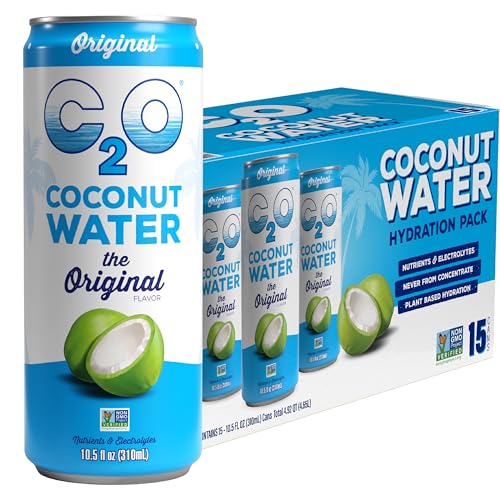
Because coconut water has no cholesterol and is low in saturated fat, it is safe for people concerned about heart health. The potassium helps support healthy blood pressure, which is another factor in cardiovascular risk.
Keep in mind the natural sugar content: while moderate, it adds calories and can impact blood sugar if consumed excessively. Stick to recommended serving sizes to avoid unintended effects.
Recommended Coconut Water Intake for High Cholesterol
You can safely drink about 4 to 8 oz (half to one cup) of coconut water daily if you have high cholesterol. This amount provides hydration and potassium without affecting your cholesterol levels.
Coconut water’s potassium content—typically 470 mg per 8 oz—supports healthy blood pressure, which complements cholesterol management. However, if you have kidney disease or a potassium restriction, you should limit your intake and discuss it with your healthcare provider.
Because coconut water contains no saturated fat or cholesterol, it does not contribute to raising blood cholesterol. This makes it a better choice than coconut milk or creamy coconut-based drinks for those watching cholesterol.
If you already drank more than the recommended amount, don’t worry: one extra cup of coconut water is unlikely to affect your cholesterol or potassium levels significantly. Just return to the suggested intake going forward.
Drinking water or other low-potassium, no-cholesterol beverages alongside coconut water helps balance hydration and electrolyte intake during the day.
Limitations and Risks of Coconut Water Consumption
Coconut water is not bad for cholesterol, but certain groups should avoid or limit it due to its potassium content and potential allergies.
People with kidney disease often need to restrict potassium intake because their kidneys cannot filter it efficiently. Coconut water, with about 600 mg of potassium per 8 oz, can raise potassium levels to unsafe ranges in these individuals.
If you take potassium-sparing blood pressure medications like spironolactone, eplerenone, or certain ACE inhibitors, coconut water could increase potassium too much and cause harmful heart rhythm changes.
Allergic reactions to coconut are rare but possible. If you have a known coconut allergy, it’s best to avoid coconut water to prevent symptoms like rash, swelling, or difficulty breathing.
Before surgery, especially if blood pressure control is a concern, your care team may advise avoiding coconut water because of its electrolyte effects that could interfere with anesthesia or medications.
Health Effects and Possible Side Effects of Coconut Water
Coconut water is good for cholesterol when it replaces sugary drinks, as it contains no cholesterol and may modestly improve lipid profiles by cutting added sugars.
It hydrates well due to its natural electrolytes, especially potassium, which supports healthy blood pressure by balancing sodium levels in your cells.
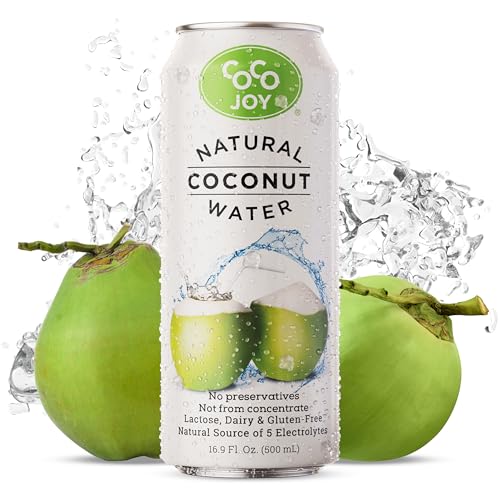
Antioxidants in coconut water help reduce oxidative stress, which can contribute to heart and blood vessel health over time.
However, coconut water contains sugars—about 6 grams per 8 oz serving—so drinking large amounts can add up, especially if you’re watching your carbohydrate intake.
Potassium overload is a side effect for sensitive individuals such as those with kidney problems or on potassium-sparing medications; it can cause irregular heartbeat or muscle weakness.
| Drink | Potassium per serving | Servings | Total |
|---|---|---|---|
| 8 oz coconut water | 600 mg | 1 | 600 mg |
| 1 medium banana | 422 mg | 1 | 422 mg |
| Total | 1,022 mg | ||
| Daily potassium intake limit for most adults (4,700 mg) | 22% | ||