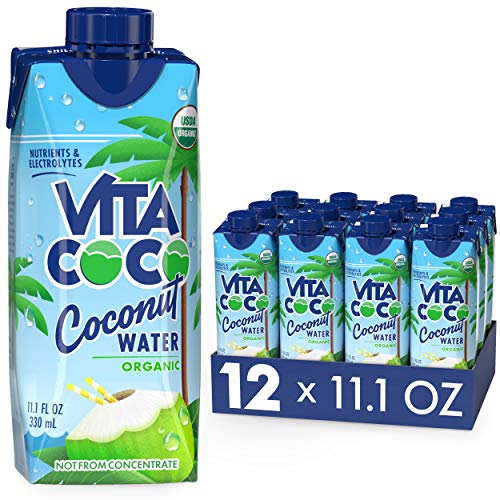
Kirkland Organic Coconut Water No Sugar Added
Kirkland Signature Organic Coconut Water is a popular choice for those seeking natural hydration without added sugars. It offers a convenient pack size and organic certification, making it attractive for health-conscious shoppers.
While many expect coconut water to be intensely flavorful and low in sugar, Kirkland’s version balances mild sweetness with a thinner texture, which some find less aromatic than premium brands.
The Specs
| label | Kirkland Expect More All Natural Organic Coconut Water Drink |
|---|---|
| serving size | 11.1 oz |
| count | 12 servings |
| added sugar | 0 g |
| organic | USDA-certified organic |
What Kirkland Coconut Water Does Well
Kirkland Organic Coconut Water offers pure hydration with no added sugar and USDA organic certification. This means it’s made from coconuts grown without synthetic pesticides or fertilizers, appealing if you prefer organic products. Each 8 fl oz (240 ml) serving contains about 45 calories, making it a low-calorie choice compared to many sports drinks.

The natural electrolytes in Kirkland coconut water include potassium and sodium—key minerals your body uses to maintain fluid balance and support muscle function. A typical serving provides roughly 470 mg of potassium and 45 mg of sodium, amounts that help rehydrate you after mild exertion or heat exposure without overwhelming your daily intake.
Kirkland coconut water’s taste is mild and slightly sweet, making it an easy beverage on its own for everyday hydration. Its subtle coconut aroma and light texture also make it a good mixer for smoothies or other drinks, without dominating the flavor profile.
| Nutrition Facts per 8 fl oz (240 ml) | Amount |
|---|---|
| Calories | 45 |
| Potassium | 470 mg |
| Sodium | 45 mg |
| Total Sugars (natural) | 9 g |
| Added Sugars | 0 g |
| Drink | Sugar per serving | Servings | Total |
|---|---|---|---|
| Kirkland Coconut Water 8 fl oz | 0 g | 1 | 0 g |
| Total | 0 g | ||
| Daily added sugar limit for men (36 g) | 0% | ||
Limits and Trade-Offs of Kirkland Coconut Water
Kirkland coconut water’s potassium content requires caution if you take certain medications or have kidney issues. High potassium levels can affect heart rhythm when kidneys do not filter potassium well or if you take potassium-sparing diuretics. Check with your doctor if you’re on such medications before drinking regularly.
Some consumers have reported mold issues in Kirkland coconut water packaging. Mold can develop if containers are damaged or improperly stored. Look for any off-smells, cloudiness, or unusual sediment before drinking. If you notice these signs, discard the product immediately.
Compared to fresh coconut water or premium brands, Kirkland’s version has a thinner texture and a milder coconut aroma. It may feel less rich or less flavorful to those used to fresh coconuts or high-end options.
Although Kirkland coconut water contains no added sugar, it naturally carries about 9 grams of sugar per 8 fl oz serving. This is typical for coconut water but higher than many plain water or electrolyte drinks. If you need to limit natural sugars, such as with diabetes, monitor your total daily intake carefully.
Storage, Shelf Life, and Avoiding Off Flavors
Kirkland Organic Coconut Water has a long shelf life unopened, typically around 12 to 18 months from the production date, thanks to pasteurization that kills bacteria and enzymes. You’ll find the expiration date printed on the carton, which you should check before buying or drinking.
Once opened, store the coconut water in the refrigerator and consume it within 48 hours to maintain freshness and prevent spoilage. Avoid leaving it at room temperature after opening, as heat and bacteria can quickly degrade the flavor and safety.
Heat damages coconut water by breaking down its natural sugars and altering its delicate flavor, which is why storing unopened cartons in a cool, dark place away from direct sunlight or heat sources is best. High temperatures during transport or storage can cause off flavors that some users report, described as sour or fermented.
Before purchasing, check that the carton is sealed and undamaged with no bulging or leaks, which can indicate spoilage. If you notice a strange smell or taste on opening, it’s safer to discard the product.
How Kirkland Coconut Water Fits Health Goals
Kirkland Organic Coconut Water is good for you as a naturally low-calorie, no added sugar drink that supports sugar-conscious diets. It provides hydration with no artificial sweeteners, which helps keep daily added sugar intake low.
Its natural electrolytes—potassium, sodium, and magnesium—assist hydration effectively during exercise, illness, or hot weather, replenishing minerals lost through sweat. This makes it a practical alternative to sugary sports drinks.
People with acid reflux often tolerate Kirkland coconut water well because it is mildly acidic but not strongly so. It generally doesn’t trigger reflux symptoms, unlike more acidic citrus juices or caffeinated beverages. For more on coconut water and reflux, see Is Coconut Water Good For Acid Reflux?.
The potassium content is about 470 mg per 8 oz serving, which is beneficial for most but requires caution if you have kidney disease or take medications that affect potassium levels, such as certain blood pressure drugs. Consult your healthcare provider if you have concerns.
| Drink | Potassium per serving | Servings | Total |
|---|---|---|---|
| 8 oz Kirkland Coconut Water | 470 mg | 1 | 470 mg |
| Total | 470 mg | ||
| Daily potassium intake for healthy adults (4,700 mg) | 10% | ||
How Kirkland Coconut Water Compares to Alternatives
Kirkland Organic Coconut Water stands out for value, offering more ounces per dollar than many Whole Foods or Real Coco Organic options. While Whole Foods typically sells smaller containers at a higher price, Kirkland’s bulk packaging provides cost savings without sacrificing quality.
The flavor of Kirkland coconut water is mildly sweet and less intense compared to Real Coco Organic, which often has a stronger, more pronounced coconut taste. This makes Kirkland a good choice if you prefer a subtler flavor that’s easy to drink daily.
Packaging varies: Kirkland comes in larger, shelf-stable cartons ideal for home use, while some alternatives like Real Coco or Amazon-sourced coconut water offer single-serve bottles or cans that are more portable. If you need a convenient on-the-go option, smaller packaging from other brands might suit you better.
All these brands, including Kirkland, hold USDA organic certification and keep ingredient lists simple, usually containing just coconut water with no added sugars or preservatives. This ensures purity and transparency regardless of brand choice.
| Brand | Price per ounce | Flavor | Packaging | Organic |
|---|---|---|---|---|
| Kirkland Organic Coconut Water | Lower cost | Mild, less sweet | Large shelf-stable carton | USDA Certified |
| Whole Foods Organic Coconut Water | Higher cost | Light, slightly sweet | Smaller cartons or bottles | USDA Certified |
| Real Coco Organic Coconut Water | Moderate cost | Stronger coconut flavor | Single-serve bottles | USDA Certified |
| Amazon Coconut Water (varies) | Varies widely | Varies widely | Bottles, cartons | Often certified |
Checklist Before Buying or Drinking Kirkland Coconut Water
Check the expiration date printed on the carton before buying Kirkland Organic Coconut Water. It usually stays good unopened for 12 to 18 months from production, but discard it if the date has passed. Also inspect the packaging for any swelling, leaks or damage—signs of spoilage or contamination.
Mold in coconut water is rare but possible if the packaging is compromised or the drink is left open too long. Never drink coconut water that looks cloudy, has floating particles, or smells sour or off. These indicate bacterial growth or mold, which can cause illness.
After opening, refrigerate the coconut water immediately and consume it within 3 days. Exposure to air and warmth speeds spoilage. Keeping it cold slows bacterial growth and preserves flavor and nutrients.
To improve Kirkland coconut water’s taste, try pairing it with fresh fruit juice, sparkling water, or blending it into smoothies. Adding a squeeze of lime or mixing with herbs like mint can also refresh the flavor. These ideas help if you find plain coconut water bland or want variety.
Avoid Kirkland coconut water if you are on a potassium-restricted diet or take medications affected by potassium levels, unless your healthcare provider approves. The natural potassium content can add up quickly and may disrupt your electrolyte balance.