You twist the cap, take a sip, and pause. This doesn’t taste like the shredded coconut in your baking. It tastes lighter, greener, and a little bit like the ocean. That initial confusion is normal. Coconut water is not coconut milk, and it is not the hard white flesh you eat raw. It is the clear liquid inside a young green coconut.
The flavor is subtle. Think of water that has been lightly sweetened with a nutty undertone. There is a distinct grassy or vegetal note, like the smell of a freshly cut stem. Then comes the finish: a mild saltiness that lingers on the back of your tongue. That briney edge surprises most first-timers.
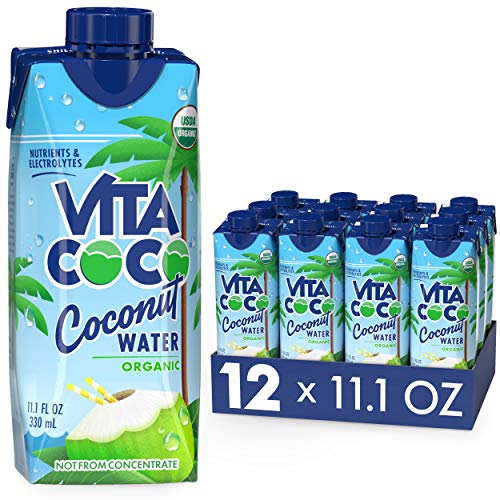
Vita Coco
Vita Coco Organic Coconut Water, Original, 11.1…
- TASTE OF THE TROPICS | Not long ago you needed a ladder and a machete to get great-tasting coconut water. Now all you have to do i…
- HYDRATING ELECTROLYTES & NUTRIENTS | Our refreshing coconut water contains vitamins, nutrients, and hydrating ELECTROLYTES.
- REFRESH YOURSELF | Coconut water is the go to choice for everyday, on-the-go refreshment — drink Vita Coco before a workout, with…
If you expect a sugary tropical punch, you will be disappointed. If you expect plain water, you will be confused. It sits right in the middle. The sweetness level is roughly one-third of what you find in apple juice. The texture is slightly thicker than water, almost silky, but not creamy.

Why Fresh Tastes Different From Bottled
Fresh coconut water, straight from the shell, tastes brighter and sweeter. It has a clean, almost floral aroma. The saltiness is barely there. You get the full effect of the young nut, which is naturally thin-skinned and jelly-like inside.
Bottled versions change the game. Pasteurization, which kills bacteria for shelf stability, cooks the liquid slightly. This process dulls the fresh notes and brings out that nutty, sometimes metallic, aftertaste. Some brands add sugar or fruit juice to mask this. The pure stuff tastes more like the fresh version, but it still carries a faint cooked flavor.
Temperature matters too. Ice cold coconut water tastes cleaner. When it warms up, the earthy and salty notes get louder. Drink it straight from the fridge if you are new to it.
The Amateur vs. The Professional
An amateur approaches coconut water as a mystery. They buy one bottle, take a sip, and form a verdict. If they dislike it, they write it off completely. If they like it, they assume all brands taste the same.
Someone who reviews drinks for a living does it differently. They taste blind, without looking at the label. They sip at room temperature first, because cold masks flaws. They let the liquid coat their whole mouth, not just the tip of the tongue. They swallow and wait thirty seconds to catch the finish. Then they taste it cold, then they taste it after shaking the bottle.
The professional habit that separates them is simple: they always compare two products side by side. You cannot know what something tastes like in isolation. You need a reference point. A solo tasting tells you only that you like it or not. A side-by-side tells you why. It reveals which one is sweeter, which one is saltier, which one has that cardboard note from old packaging.
One habit worth adopting today: take a second sip after a five-second pause. The first sip primes your palate. The second sip gives you the real flavor. Most people judge a drink on that first hit, which is mostly shock and expectation. The second sip is honest.
Do not copy the professional habit of spitting. That works for wine, not for hydration. You can drink the whole bottle. Also, do not copy the habit of tasting at room temperature for pleasure. It is a diagnostic tool, not a serving suggestion. Drink it cold.
How It Compares to Other Drinks
People often confuse coconut water with coconut milk. They are different entirely. Coconut milk is made by grating the white flesh and squeezing out the fat. It is rich, creamy, and opaque. Coconut water is the thin, clear liquid from the center. It has almost no fat.
| Drink | Flavor Profile | Texture | Sweetness |
|---|---|---|---|
| Coconut Water | Nutty, grassy, slightly salty | Thin, silky | Low |
| Coconut Milk | Rich, creamy, sweet | Thick, heavy | Medium |
| Coconut Juice (Sweetened) | Fruity, sugary, artificial | Thin, watery | High |
| Sports Drinks | Tangy, salty, citrus | Thin | Medium |
| Plain Water | Neutral | Thin | None |
Compared to a sports drink, coconut water has less sugar and a more complex taste. It lacks the sharp citric acid bite. The electrolyte content is naturally occurring, mostly potassium, which gives it that subtle mineral flavor. Sports drinks taste engineered. Coconut water tastes like a plant.
If you enjoy the grassy, vegetal side, you might also like sugarcane juice. It shares that raw, green sweetness. If you prefer something more tart, check out our coconut water flavor effects on the palate.
Vita Coco Organic Original: A Practical Baseline
If you want a reliable benchmark, Vita Coco Organic is the most common starting point. It is widely available, and the flavor represents the middle of the road for bottled coconut water.
The 11.1-ounce bottles are small enough to finish before they warm up. The taste is mildly sweet with a clear nutty note. The saltiness is present but not aggressive. It has a faint cooked flavor from pasteurization, but it does not dominate. It is a smooth, easy introduction for skeptics.
It contains 60 calories per bottle, which is lower than most sodas and fruit juices. It is fat free and gluten free. The brand markets it for post-workout hydration, and the potassium content does help with that. It is not a miracle drink, but it is a solid, honest product.
One mild complaint: the flavor can vary slightly from batch to batch. Coconuts are natural products, so that is expected. Some bottles taste a bit sweeter, others a bit saltier. Do not judge the whole category on one bad bottle.
You can check the current price on Amazon if you want to try it.
Who Should Drink It
Coconut water makes sense for people who want a low-sugar hydration option. It works well after a light workout, especially in hot weather. It is a decent replacement for a sports drink if you do not need heavy sodium replenishment.
It does not work for everyone. The salty finish turns some people off. If you hate the taste of mineral water, you will likely hate this. If you expect a sweet tropical flavor, you will be let down.
It pairs well with spicy food. The mild sweetness cuts heat, and the saltiness complements savory dishes. Try it with Thai curry or a spicy noodle bowl.
For a different take on tropical beverages, read our guide on passion tea flavor. It offers a more floral, tart alternative.
Frequently Asked Questions
Does coconut water taste like the coconut you eat?
No. The white flesh of a mature coconut is rich and oily. Coconut water comes from young green coconuts and tastes light, slightly sweet, and a bit salty. The only similarity is a faint nutty aroma.
Why does my coconut water taste sour?
It could be spoiled. Fresh coconut water has a short shelf life. If the bottle is bloated or the liquid smells fermented, throw it out. A slight tang is normal, but a sharp sour taste means bacteria got in.
Is coconut water an acquired taste?
For some people, yes. The first sip often surprises. The briney finish and grassy notes are unfamiliar. Most people grow to like it after a few bottles, especially when served very cold.
Can you cook with coconut water?
Yes. Use it as a base for smoothies, or simmer rice in it for a subtle sweetness. It also works in marinades for chicken or fish. It adds moisture without the fat of coconut milk.
Does the brand change the taste much?
Significantly. Some brands add sugar. Some use younger coconuts, which taste sweeter. Some pasteurize at higher temperatures, creating a cooked flavor. Trying two different brands side by side will show you a wide range.