What Does Coconut Water Taste Like? 7 Genius Ways to Make It Taste Better
On this page 6 sections
- What Does Coconut Water Taste Like? 7 Genius Ways to Make It Taste Better
- Check Your Coconut Water Base Before You Start
- Health-Friendly Variations for Sugar, Stomach, and Kidneys
- Avoid These Mistakes That Ruin Coconut Water’s Flavor
- How to Store and Prepare Coconut Water for Best Flavor
- Frequently Asked Questions
You bought coconut water for its natural electrolytes but found the flavor flat or off. That’s common because coconut water’s mild, slightly nutty taste can feel bland or unbalanced. The good news: simple kitchen ingredients can transform it quickly.
This guide shows you 7 practical recipes to boost your coconut water’s flavor, plus tips on choosing the right base, storing it, and making health-conscious swaps. No more choking down your hydration.
What Does Coconut Water Taste Like? 7 Genius Ways to Make It Taste Better
You can make coconut water taste better by adding fresh citrus, fruit, herbs, spices, sparkling water, creamy milks, or sweet-salty blends—all quick fixes that take under 5 minutes and yield one 8-ounce serving. Start with a good-quality coconut water base that is natural, unsweetened, and well chilled to avoid flavors that taste bland or off.

Coconut water often tastes flat because it lacks acidity and sweetness, and some brands add preservatives or artificial flavors that dull its natural freshness. Avoid heating it, as warmth breaks down delicate flavor compounds and leaves it tasting dull or sour.
Choosing the right coconut water base matters. Look for cartons or bottles labeled unsweetened and free of additives, ideally refrigerated for freshness. Avoid shelf-stable coconut waters with preservatives or added sugars that can mask natural flavor and create an off taste.
If your coconut water already tastes bad, try diluting it with sparkling water or adding fresh fruit and herbs to mask off-notes. If it still tastes unpleasant, discard it to avoid drinking spoiled beverage.
Check Your Coconut Water Base Before You Start
Coconut water naturally tastes mildly sweet with a hint of nuttiness and sometimes a slight tang. If yours tastes sour or off, it may be fermented or spoiled, which happens when bacteria start breaking down the sugars.
The taste varies depending on the coconut’s maturity. Young green coconut water is sweeter and lighter, while mature brown coconut water has a deeper, sometimes earthier flavor that some find less pleasant on its own.
Check the label carefully for added sugars or preservatives, which can alter the flavor and affect how healthy the drink is for you. Some brands add sugar or flavorings that mask natural tastes but add calories and unwanted ingredients.
When trying a new brand or type, buy a small bottle first to test the flavor before committing to a larger quantity. This simple step helps you avoid wasting money on coconut water you don’t enjoy.
Health-Friendly Variations for Sugar, Stomach, and Kidneys
You can naturally enhance the sweetness of mature coconut water without adding sugar by blending in fresh or frozen fruit like pineapple, mango, or berries. These add natural sugars along with fiber and nutrients.
Stevia is a good no-calorie sweetener alternative if you avoid sugar. Use it sparingly because it can have a bitter aftertaste if overused.
For sensitive stomachs, choose gentle herbs and spices such as mint, ginger, or cinnamon. These add flavor without acidity or strong oils that might irritate digestion.
Kidney concerns often come with a need to limit potassium intake. Coconut water is naturally high in potassium, so diluting it with water or mixing it with lower-potassium drinks can make it safer in moderate amounts.
For creamy, low-sugar options, try mixing coconut water with unsweetened nut milks like almond or cashew. These add smooth texture and subtle flavor without extra sugar.
Avoid These Mistakes That Ruin Coconut Water’s Flavor
Coconut water can taste bad when it oxidizes, which happens as it sits exposed to air. This process changes the flavor, often making it sour, flat, or like cardboard. If your coconut water tastes off and fizzy, that’s a sign natural fermentation has begun, and it’s no longer fresh.
Heating coconut water or shaking it vigorously both harm its delicate flavor. Heat breaks down the natural enzymes and subtle sweet notes, while shaking introduces excess air that speeds up oxidation and can cause the drink to become cloudy or slightly fizzy.
Store coconut water in glass containers with tight lids to slow oxidation. Refrigerate it promptly and keep it chilled at all times. Once opened, consume coconut water within 24 hours to enjoy the best flavor. Avoid leaving it on the counter or in plastic bottles after opening, as plastic can absorb odors and allow more air in.
Look for signs of spoilage to know when to discard coconut water. These include an unpleasant sour smell, cloudy appearance, sediment, or a fizzy texture that wasn’t there before. If you notice any of these, it’s safer not to drink it.
How to Store and Prepare Coconut Water for Best Flavor
To keep coconut water tasting fresh, transfer any opened bottle into a glass jar with a tight-fitting lid. Glass doesn’t absorb odors or allow air to seep in like plastic does, preserving the flavor longer.
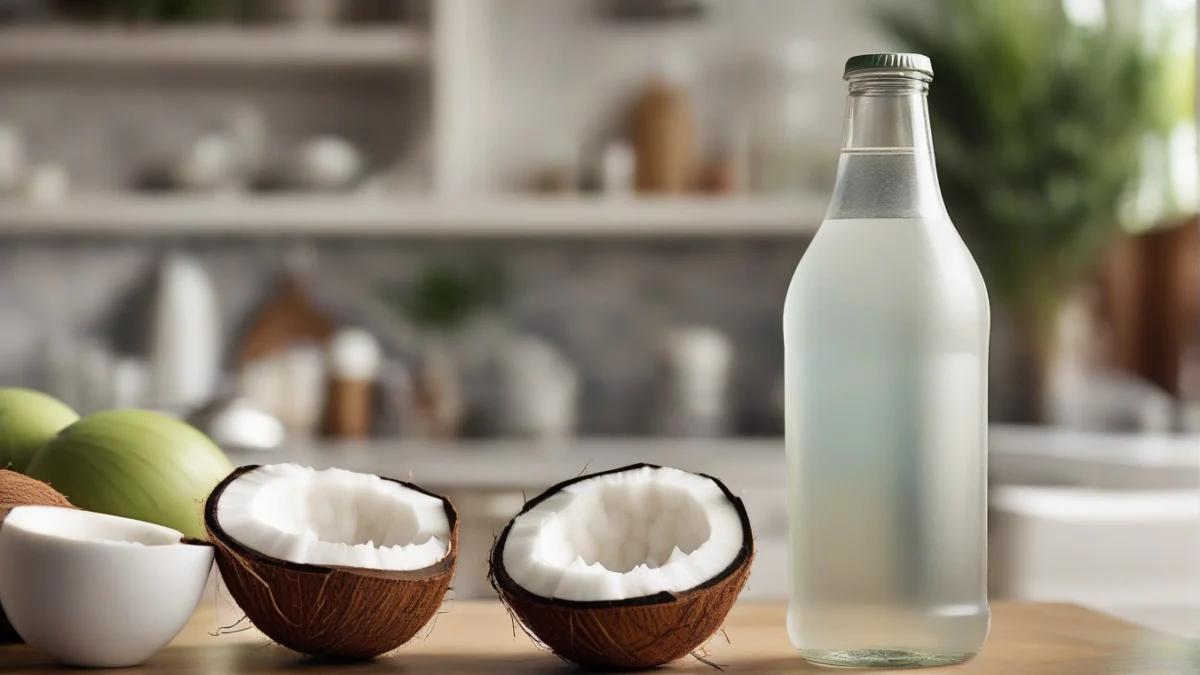
Avoid storing opened coconut water in plastic bottles. They often retain smells from other foods or the plastic itself, which can alter the taste and speed up spoilage.
If you have a large bottle, consider dividing it into smaller glass containers. This way, you only open what you need, minimizing air exposure to the rest.
Keep coconut water refrigerated and consume it within 24 hours of opening. Its flavor degrades quickly, so the sooner you drink it, the better it tastes.
What to do with leftover coconut water? You can use it in smoothies, as a base for iced tea, or in cooking recipes that call for light sweetness and hydration. Just keep in mind its flavor is best when fresh.
For recipes and ideas to enjoy coconut water beyond just drinking it plain, see our collection of smoothie recipes with coconut water.
More water, electrolytes & sports drinks guides on JuicerAdvices.