You can make hyssop tea using 1 tablespoon fresh or 1 teaspoon dried leaves steeped in 8 oz hot water for 5 to 10 minutes. This recipe yields one cup and takes about 10 minutes from start to finish.
Hyssop tea is a caffeine-free herbal infusion made from the fragrant leaves and flowers of the true hyssop plant. Its distinctive minty aroma and slightly bitter flavor have been enjoyed for centuries as a soothing drink.
This guide covers how to prepare hyssop tea correctly with fresh or dried herb, including exact measurements, brewing steps, variations, and safety advice to help you enjoy it confidently.
What to remember
Use 1 tablespoon fresh or 1 teaspoon dried hyssop leaves per 8 oz (240 ml) water for one cup of tea.
Steep fresh hyssop for 7 to 10 minutes, dried for 5 to 7 minutes, in hot water just off the boil (195–205°F).
Add honey or lemon after steeping to soften the flavor; fresh mint can add a cooling note.
Store fresh hyssop wrapped in a damp paper towel in the fridge and dried leaves in an airtight jar away from light.
Avoid hyssop tea if pregnant, breastfeeding, under 12, or if you have seizure disorders without medical advice.
How to Make Hyssop Tea Step by Step
You make hyssop tea by steeping 1 tablespoon of fresh leaves or 1 teaspoon of dried leaves in 8 oz of hot water for 5 to 10 minutes. This simple process yields one cup of aromatic herbal tea, ready to enjoy hot or iced.
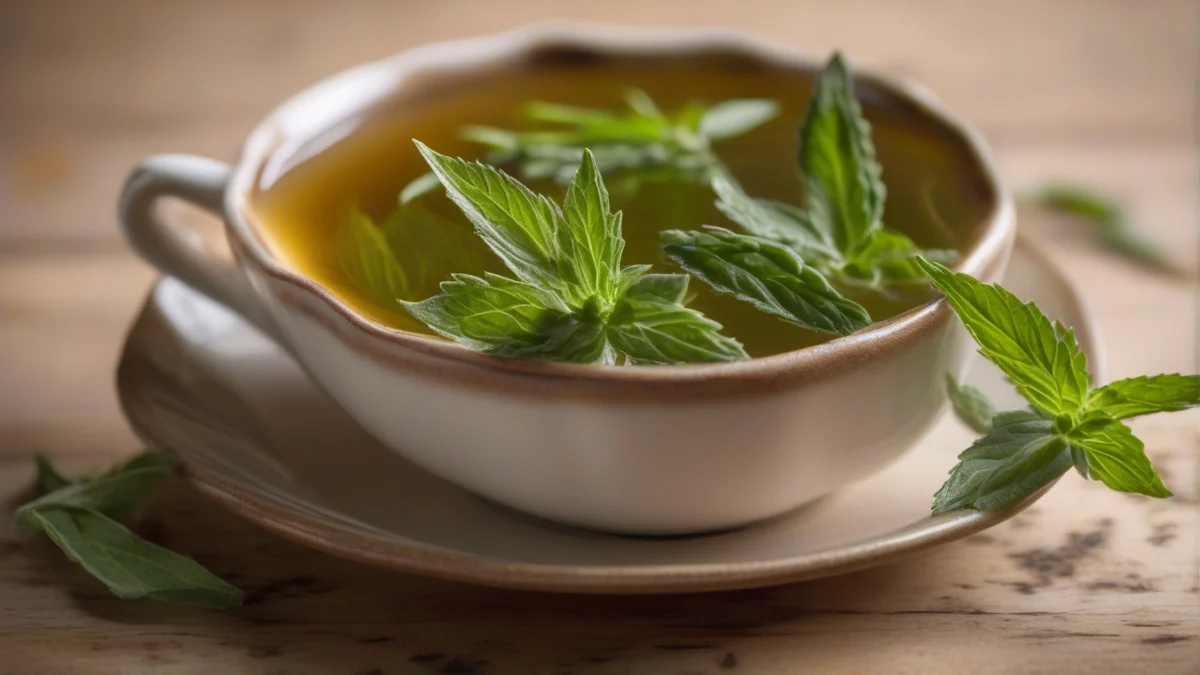
A freshly brewed cup of hyssop tea made with fresh leaves.
1
Measure the hyssop
Use 1 tablespoon of fresh hyssop leaves or 1 teaspoon of dried leaves or flowers per 8 oz cup of water.
2
Heat the water
Bring water to a near boil, about 200°F (93°C). Avoid boiling water to preserve delicate flavors.
3
Steep the leaves
Pour hot water over the hyssop and cover the cup or pot. Let it steep for 5 to 10 minutes depending on desired strength.
4
Strain and serve
Remove the leaves by straining or taking out the tea bag. Serve hot or let cool for iced tea.
5
Add flavor if desired
Sweeten lightly with honey or a slice of lemon, if you tolerate these additions.
Useful here
FullChea – Hyssop Tea Bags
Dried hyssop tea bags like FullChea’s offer a precise portion and a convenient way to steep without straining.
Shorter steeping (5 minutes) yields a gentler flavor, while 10 minutes extracts more herbal notes but can be stronger on digestion.
What You’ll Need to Make Hyssop Tea
Basic ingredients and equipment for a perfect cup
Pure Herbal Infusion
FullChea Hyssop Tea Bags, 50 Count, Dried Hyssop
These tea bags contain 100% natural dried hyssop with no additives, making them a clean choice for your daily wellness routine. The food-grade, glue-free tea bags ensure a safe, aromatic cup whether you steep hot or cold.
This blend includes visibly more hyssop flowers, offering a delicate herbal flavor and natural floral scent ideal for a calming bedtime or quiet moments. The resealable package keeps tea bags fresh for convenient brewing.
Choose true hyssop (Hyssopus officinalis) for tea, as it differs from anise hyssop (Agastache foeniculum), which has a sweeter, licorice-like flavor. Both are edible but true hyssop is the classic for tea.
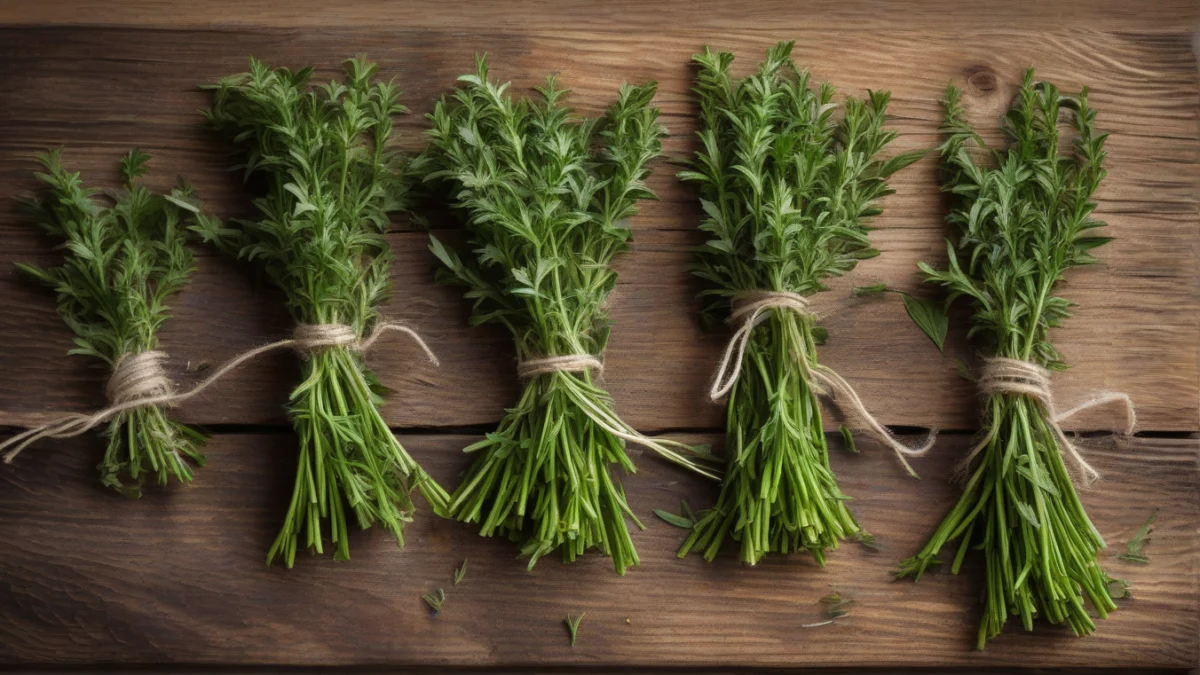
Fresh true hyssop herb ready for harvesting and tea preparation.
True versus anise hyssop
True hyssop has narrow, spiky leaves and a minty aroma, while anise hyssop’s leaves are broader and smell faintly of licorice.
You can grow hyssop in your garden or buy it dried from reputable suppliers. If foraging, identify it carefully and only harvest from clean, pesticide-free areas.
Before brewing, rinse fresh hyssop leaves and flowers gently under cold water to remove dirt or insects. Pat dry with a clean towel.
1
Harvest at peak
Cut stems just before the flowers fully open for best flavor and aroma.
2
Dry properly
Bundle stems loosely and hang upside down in a warm, dry, and well-ventilated spot out of direct sunlight.
3
Store well
Once dry and brittle, crumble leaves and store in an airtight container away from heat and light to preserve freshness.
Safety alert
Avoid hyssop from unknown sources or those treated with chemicals. Some hyssop varieties contain compounds that can be harmful in large amounts.
Variations for Dietary and Health Needs
You can make hyssop tea stronger by using more leaves or steeping them a bit longer, up to 10 minutes. It does not usually make you sleepy; instead, it’s often enjoyed for its fresh, herbal aroma and mild flavor.
If you want to reduce sugar, skip or limit added sweeteners like honey or sugar. Start with a small amount, such as half a teaspoon, and adjust to taste. Lower sugar intake helps avoid blood sugar spikes and supports digestive health.
Adding soothing herbs can make hyssop tea gentler on a sensitive stomach. Chamomile, ginger, or peppermint are good choices to blend in small amounts. They soothe digestion and reduce the chance of irritation.
Avoid combining hyssop with herbs that strain the kidneys if you have kidney issues. Herbs like licorice, juniper, or nettle may increase workload on the kidneys. Stick to plain hyssop tea or blends with mild digestive herbs instead.
Gentle tea tip
Try brewing hyssop tea with chamomile for a calming, tummy-friendly cup that still has hyssop’s unique flavor.
Good for
Lower sugar options support blood sugar control
Soothing herbs ease stomach discomfort
Avoiding certain herbs protects kidney health
Not for
Adding many herbs can mask hyssop’s flavor
Some herbs may interact with medications
Kidney patients should check herb safety with their doctor
From JuicerAdvices · our own guideCaffeine & Sugar Drink GuideKnow exactly how much caffeine, sugar and sodium is in 150+ popular drinks, and set daily limits that fit you.Caffeine and sugar in 150+ drinksDaily limits, smart swaps and a cut-back planDaily caffeine and sugar calculator (Excel)$14.99$9.99Get it for $9.99See what's inside and watch the 2-minute video →16-page printable PDF + Excel calculator · instant download · 30-day refund
Common Mistakes That Affect Hyssop Tea Quality
Using hyssop essential oil instead of the herb for tea is a mistake to avoid. Essential oils are highly concentrated and can cause irritation or toxicity if ingested. Always use fresh or dried leaves for safe brewing.
Oversteeping or using water that’s too hot, above 212°F, can make the tea bitter and harsh. Stick to steeping 5 to 10 minutes in hot but not boiling water to preserve flavor and beneficial compounds.
Using unwashed or poor-quality herbs risks contamination or off flavors. Rinse fresh leaves gently before brewing and buy dried hyssop from reputable sources that guarantee purity.
Improper storage exposes dried hyssop to air, moisture, and light, which cause the tea to lose aroma and potency. Keep dried leaves in an airtight, opaque container in a cool, dry place.
To make iced hyssop tea with a Keurig, brew a strong cup using 2 teaspoons of dried leaves in a reusable tea pod and the smallest cup setting. Pour over ice immediately to chill without dilution.
Avoid essential oils
Never use hyssop essential oil in tea. It’s not meant for ingestion and can cause serious side effects.
Myth
Stronger tea means longer steeping forever
Fact
Steeping past 10 minutes or using boiling water often turns hyssop tea bitter rather than stronger. Use more herb or slightly longer steeping instead.
Check Your Hyssop Tea Setup Before You Brew
Tea Prep Checklist
Confirm your hyssop is food-grade and correctly identified as Hyssopus officinalis, not a similar herb.
Use fresh leaves (1 tablespoon) or dried leaves (1 teaspoon) per 8 oz of hot water.
Heat water to just below boiling, around 200°F (93°C), for proper steeping.
Have a clean strainer or tea infuser and a mug ready before brewing.
Consider any personal health conditions or medications that might interact with herbal teas.
Safety First
Never use hyssop essential oil for tea; it’s too concentrated and unsafe to ingest. If you are pregnant, nursing, or have a medical condition, check with your healthcare provider before drinking hyssop tea.
1
Prepare Ingredients
Measure 1 tablespoon fresh or 1 teaspoon dried hyssop leaves.
2
Heat Water
Bring water to just under boiling (around 200°F or 93°C).
3
Steep Tea
Place leaves in your strainer or infuser, pour hot water over, and steep for 5 to 10 minutes.
4
Serve
Remove leaves, pour tea into your mug, and enjoy warm or iced.
Helpful Here
FullChea – Hyssop Tea Bags
This flower-rich hyssop tea bag is pre-measured and made from food-grade material, so it simplifies measuring and ensures safety when brewing your tea.
No, you should not use hyssop essential oil to make tea. Essential oils are highly concentrated and can be toxic if ingested in large amounts. Stick to fresh or dried hyssop leaves for safe brewing.
How long does hyssop tea keep in the fridge?
Hyssop tea can be stored in the fridge for up to 48 hours. Keep it in a sealed container to preserve flavor and prevent contamination. Reheat gently or enjoy cold within that time frame.
Is hyssop tea safe during pregnancy?
Hyssop tea is not recommended during pregnancy because it may stimulate uterine contractions. If you are pregnant, it’s best to avoid hyssop tea and check with your healthcare provider before trying herbal teas.
Can I make iced hyssop tea without boiling water?
Cold brewing hyssop tea is possible but less effective. Using boiling water extracts more flavor and compounds, so cold steeping for at least 6 to 8 hours is needed to get a good taste.
Before you go · a welcome giftGet the Caffeine & Sugar Drink Guide for $4.99Know exactly how much caffeine, sugar and sodium is in 150+ popular drinks, and set daily limits that fit you. Normally $14.99; your welcome price saves $10.00. We'll email your link right now.One email with your link now. We never share your address.


 Caffeine & Sugar Drink GuideKnow exactly how much caffeine, sugar and sodium is in 150+ popular drinks, and set daily limits that fit you.Caffeine and sugar in 150+ drinksDaily limits, smart swaps and a cut-back planDaily caffeine and sugar calculator (Excel)