Best Smoothie for Diarrhea: What to Drink and How Much
On this page 6 sections
Diarrhea can quickly leave you dehydrated and weak. Choosing the right smoothie helps replace fluids, electrolytes, and nutrients while calming your digestive system.
Smoothies break down ingredients so they’re easier to digest, which is key when your gut is sensitive. But some ingredients can make diarrhea worse, so picking the right ones matters.
Best Smoothie for Diarrhea: What to Drink and How Much
A banana-and-rice-milk smoothie is the best smoothie for diarrhea: about 8 oz once or twice a day, sipped slowly. Banana adds soluble fiber and potassium, and unsweetened rice milk gives you fluid without lactose or much fat, so the drink is less likely to irritate an already sensitive bowel.

Keep it plain and small. A bigger or sweeter smoothie can worsen diarrhea because sugar pulls water into the bowel and a large volume is harder to tolerate; if even this feels heavy, water or an oral rehydration drink is the better choice until stools start to firm.
Bananas and Yogurt Are Helpful for Diarrhea
Bananas are good for diarrhea because they provide potassium and soluble fiber, both of which help firm stools and replace lost electrolytes. Yogurt’s benefit depends on the type and your tolerance: probiotic yogurts can help restore gut bacteria, but lactose in yogurt may worsen diarrhea for some.
Banana’s soluble fiber absorbs water in the intestines, which reduces stool liquidity. Potassium is vital to replace what diarrhea causes you to lose, helping maintain proper muscle and nerve function.
Yogurt contains probiotics that support gut health by promoting beneficial bacteria. However, if you are lactose intolerant or your diarrhea is caused by an infection, yogurt’s lactose might worsen symptoms. Plain, low-fat yogurt with live cultures is usually the best option, but avoid sweetened or flavored yogurts that add sugar and irritants.
| Drink | Potassium per serving | Servings | Total |
|---|---|---|---|
| 1 medium banana | 422 mg | 1 | 422 mg |
| Total | 422 mg | ||
| Daily potassium recommendation (4,700 mg) | 9% | ||
Fruits and Vegetables to Avoid in Smoothies for Diarrhea
Smoothies made with high-FODMAP fruits like apples, pears, cherries, and mangoes can worsen diarrhea. These fruits contain fermentable sugars that draw water into the intestine and speed up bowel movements, causing loose stools to continue or worsen.
Certain vegetables can also irritate your gut during diarrhea. Raw onions, garlic, cauliflower, and broccoli have fibers and sugars that are difficult to digest and may increase gas and cramping. These effects can prolong diarrhea symptoms.
Artificial sweeteners such as sorbitol, mannitol, and xylitol, often found in sugar-free syrups or diet drinks, can have a laxative effect and should be avoided in smoothies when you have diarrhea. Caffeine, present in coffee or tea-based smoothies, can stimulate the gut and worsen diarrhea too.
Reducing or avoiding these ingredients in your smoothies helps calm your digestive tract and firm your stools. Focus instead on low-FODMAP fruits like bananas and blueberries, and gentle vegetables such as peeled cucumbers or cooked carrots, which are less likely to irritate your gut.
Vegetable smoothies might help diarrhea if made with mild, cooked veggies that don’t add fiber bulk or fermentable sugars. But raw vegetable-heavy smoothies are usually not recommended during diarrhea because they can worsen symptoms.
Fruit smoothies can cause diarrhea if they include high-FODMAP fruits, artificial sweeteners, or caffeine. Choosing fruits and veggies carefully is key to using smoothies as a soothing option rather than a trigger.
 Home Juicing Starter KitMake fresh juice that tastes good, costs less and keeps safely: 40 recipes with exact amounts, a yield chart and a 4-week plan.40 juice, smoothie and shot recipesYield, storage and food-safety chartsCost, yield and shopping-list calculator (Excel)
Recommended Amounts of Prune Juice and Fiber With Diarrhea
Skip prune juice while your diarrhea is active. Prune juice contains sorbitol, which pulls water into the bowel and can make loose stools looser, so the amount to use during diarrhea is 0 oz until your stools firm up.
Keep your total fiber low for a short stretch, around 10 to 15 g a day for many adults, because bran, chia, flax, and fiber powders add bulk and can keep diarrhea going. Insoluble fiber is the bigger problem, but even soluble fiber can be too much when your gut is irritated.
Safer Smoothie Choices to Support Diarrhea Recovery
Coconut water is a good choice for diarrhea because it naturally replenishes fluids and electrolytes like potassium and sodium, helping rehydrate you without added sugars. Aim for about 8 oz (one small glass) as a gentle drink alongside your banana smoothie. Cranberry juice is not recommended for diarrhea since it can irritate the stomach and potentially worsen symptoms.
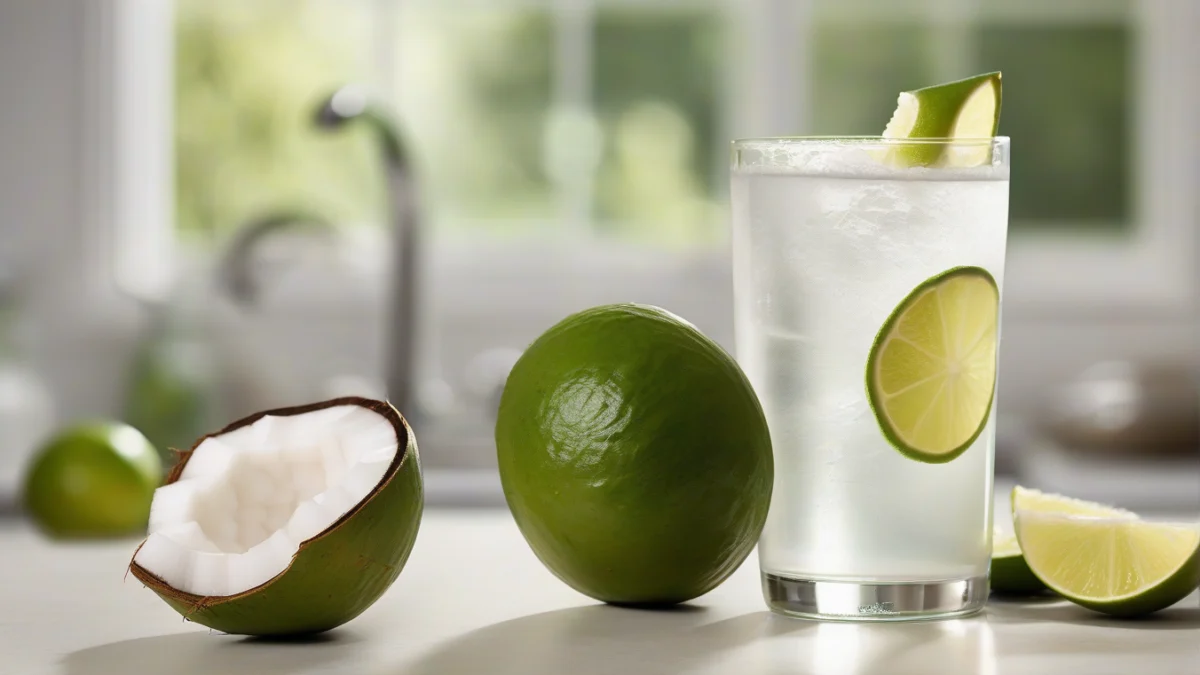
Fizzy drinks do not help diarrhea and often make it worse. Their carbonation can cause bloating and gas, and many sodas contain high amounts of sugar or artificial sweeteners that draw water into the intestines, increasing loose stools.
Probiotic smoothies might support recovery by replenishing beneficial gut bacteria, but only low-sugar options with live cultures are safe to try. Start with about 4 to 6 oz once a day, and stop if you notice any increase in symptoms. Avoid highly sweetened or dairy-heavy versions, which can aggravate diarrhea.
Herbal teas such as chamomile or ginger tea offer a soothing alternative. These can calm your digestive tract and reduce cramping. Drink them warm, about 6 to 8 oz per serving, without added caffeine or sugar to avoid irritation.
| Drink | Why It Helps | Recommended Amount |
|---|---|---|
| Coconut Water | Rehydrates and replaces electrolytes naturally | 8 oz once or twice daily |
| Probiotic Smoothie | May restore gut bacteria, choose low-sugar | 4–6 oz once daily, monitor response |
| Herbal Tea (Chamomile, Ginger) | Soothes digestive tract and reduces cramping | 6–8 oz warm, caffeine-free |
| Avoid Sugary or Fizzy Drinks | Can worsen diarrhea by increasing bowel movements | None during symptoms |