Vitamix 5200 vs 750: Key Differences Compared
On this page 9 sections
- Vitamix 5200 vs Vitamix 750 at a Glance
- Motors and Containers Compared
- Control Options and Preset Programs
- Cleaning and Maintenance Differences
- Container Size and Kitchen Fit
- Price and Long-Term Value
- Blender Suitability for Different Styles and Needs
- Checklist: What to confirm before buying your Vitamix
- More Questions, Answered
Choosing between the Vitamix 5200 and 750 can feel overwhelming. Both deliver professional blending power, yet they cater to different kitchen setups and user preferences.
This comparison breaks down their key differences in motor power, container design, controls, and features to help you pick the blender that fits your daily routine and space.
Vitamix 5200 vs Vitamix 750 at a Glance
| Factor | Vitamix 5200 | Vitamix 750 |
|---|---|---|
| Motor power | 2 HP motor | 2.2 HP motor |
| Container design | Classic 64-ounce tall container | Low-profile 64-ounce container fits under cabinets |
| Control interface | Manual variable speed dial plus pulse | 10 variable speeds, pulse, plus 4 preset programs |
| Self-cleaning feature | Self-cleaning by running with soap and water | Dedicated self-cleaning program included |
| Container dishwasher safety | Not dishwasher safe | Dishwasher safe container |
| Price | Generally lower upfront cost | Higher upfront cost |
| Ease of use | Hands-on control preferred by enthusiasts | More automation and preset convenience |
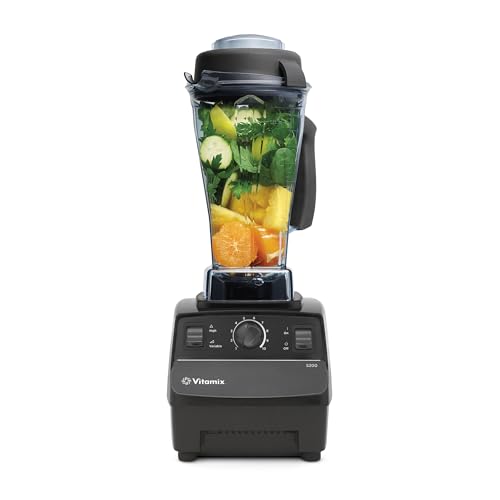
Vitamix 5200 Professional-Grade Blender, Black

Vitamix Propel Series 750 Blender, Black
Motors and Containers Compared
The Vitamix 5200 and 750 both have powerful motors but differ slightly in power and container design. The 5200’s motor is rated at 2 horsepower (HP), while the 750 has a bit more strength at 2.2 HP. This extra power can help the 750 blend tougher ingredients with a bit more ease and speed.
Container shape and material are another key difference. The 5200 uses a classic tall, narrow container made from BPA-free plastic. It does not come with a glass option, so while the container is sturdy and lightweight, it’s plastic rather than glass. This design helps create a vortex for efficient blending but means the container is taller and takes up more vertical space in your kitchen.
In contrast, the 750 uses a low-profile container that is shorter and wider, also made of BPA-free plastic. This shape fits better under most kitchen cabinets and makes it easier to store. Both containers hold 64 ounces, so batch size is the same, but the shape affects how you fit them in your kitchen and how ingredients move inside during blending.
Control Options and Preset Programs
The Vitamix 5200 offers manual control with a variable speed dial and a pulse function, giving you full hands-on blending power. You can adjust speed precisely to suit your recipe, from slow chopping to high-speed pureeing. It does have a pulse feature to provide quick bursts, so it’s not true that the 5200 lacks pulse capacity—this feature helps when you want more texture control.
The 750 adds four preset blending programs: smoothies, hot soups, frozen desserts, and self-cleaning. These presets automate blending time and speed, simplifying common tasks and reducing the need for monitoring. The 750 also includes a pulse button for added control.
Manual control on the 5200 suits those who enjoy adjusting blending on the fly, experimenting with texture, or following detailed recipes. The 750’s presets benefit users who want convenience and consistent results with less guesswork.
 Home Juicing Starter KitMake fresh juice that tastes good, costs less and keeps safely: 40 recipes with exact amounts, a yield chart and a 4-week plan.40 juice, smoothie and shot recipesYield, storage and food-safety chartsCost, yield and shopping-list calculator (Excel)
Cleaning and Maintenance Differences
The Vitamix 750 makes cleaning easier with its built-in self-cleaning program. Just add warm water and a drop of dish soap to the container, start the cleaning cycle, and it runs for about 60 seconds, rinsing without any disassembly.
The Vitamix 5200 lacks a preset cleaning cycle, so you’ll need to rinse it immediately after use and wash it by hand with a brush or sponge. Its simpler container design means fewer parts to handle and less chance of damage during cleaning.
The 750’s container, lid, lid plug, and tamper are dishwasher-safe, which adds convenience. The 5200’s components are not dishwasher-safe and require hand washing to preserve their condition.
Both blenders have thermal protection to prevent motor overheating. If the 5200 stops mid-blend, let it cool for 20 to 45 minutes to reset automatically. If it won’t power on at all, check the power cord and outlet first since its simpler electronics often make troubleshooting easier than with the 750.
Container Size and Kitchen Fit
Both the Vitamix 5200 and 750 come with a 64-ounce container, but their shapes affect how they fit in your kitchen. The 5200’s container is tall and narrow, while the 750’s is shorter and wider with a low-profile design.
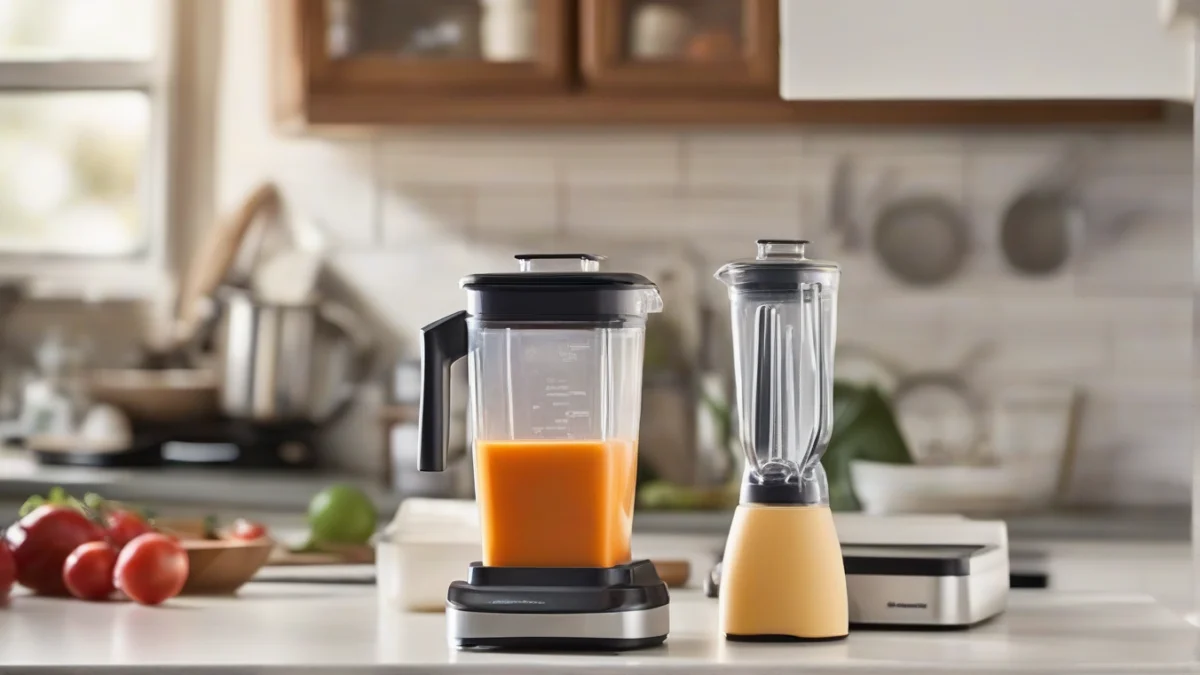
If your kitchen cabinets have standard clearance around 15 inches, the 750’s low-profile container fits easily underneath without needing to move the blender. The 5200’s taller container often won’t fit under typical cabinets, so you may need to store it elsewhere or lift it every time you use it.
The 5200’s containers are made of BPA-free plastic; Vitamix does not offer a glass pitcher option for this model. The plastic resists stains and odors well, but if you prefer glass for taste or durability, the 5200 won’t meet that need.
Consider how much you blend at once. The 5200’s tall container suits smaller batches better since its shape pulls ingredients down efficiently and reduces splashing. The 750’s wide container is ideal for large batches but can be less efficient with very small amounts, causing more splatter and uneven blending.
Price and Long-Term Value
The Vitamix 5200 generally costs less upfront than the Vitamix 750, making it a popular choice for those watching their budget. Expect to find the Vitamix 5200 blender Costco offers at a competitive price, often lower than other retailers. The Vitamix blender cost varies by retailer and occasional promotions, but the 750 consistently carries a premium due to its additional features.
The Vitamix 750 demands a higher price because of its automated blending programs and built-in self-cleaning cycle. These features can save you time and effort in meal prep and cleanup, which some users find worth the extra cost. If your schedule is tight, the convenience could translate to long-term value beyond just the dollar amount.
Durability and warranty coverage are comparable between the two models. Both come with a 7 to 10-year full warranty, reflecting confidence in their build quality. This means you get lasting performance regardless of which blender you choose.
Blender Suitability for Different Styles and Needs
The Vitamix 5200 suits blending enthusiasts who want full manual control over speed and texture. Its variable speed dial and pulse function let you fine-tune blends for hot soups, frozen desserts, and nut butters exactly to your preference.
By contrast, the Vitamix 750 fits busy households that value consistency and ease. Its preset programs handle common blending tasks automatically, so you get reliable results without needing to adjust settings.
For hot soups, both blenders handle high heat well, but the 5200’s manual control might be better if you want to vary blending times and textures. Frozen desserts and nut butters are easy on both, though some users prefer the 750’s programs when multitasking in the kitchen.
If you prefer gentler blending or want a machine that manages everything with minimal input, the 750 is the better choice. The 5200 is ideal when you want to experiment or have precise control over every blend.
Some may wonder how the Vitamix e310 compares to the 5200 for these needs. The e310 offers a smaller container and fewer features, making the 5200 a better pick for serious blending. The vitamicx 750 vs 5200 debate often comes down to whether you prefer automated convenience or manual control.
Checklist: What to confirm before buying your Vitamix
Make sure your kitchen cabinet or countertop has enough height clearance for the Vitamix blender you choose. The 5200 has a taller, classic container, while the 750’s low-profile design suits kitchens with lower cabinets.
Decide whether you prefer manual control over speed and texture, as with the 5200’s dial and pulse switch, or automated programs that the 750 offers for hands-off blending.
Consider your budget carefully. The 5200 usually costs less upfront, but the 750’s extra features might justify the cost if you want convenience and preset cycles.
Think about how much time you want to spend cleaning. The 750 has a built-in self-cleaning program, saving time compared to manual cleaning that the 5200 requires.
Check the warranty details and support options, including authorized repair centers. Vitamix has a network for repairs, but if you have a specific location like Lake Zurich in mind, confirm there is an official service center nearby.
If your Vitamix 5200 blade doesn’t turn, first check the container is seated properly on the base and the lid is locked tightly. If problems persist, contact Vitamix support or a certified repair center for safe service.