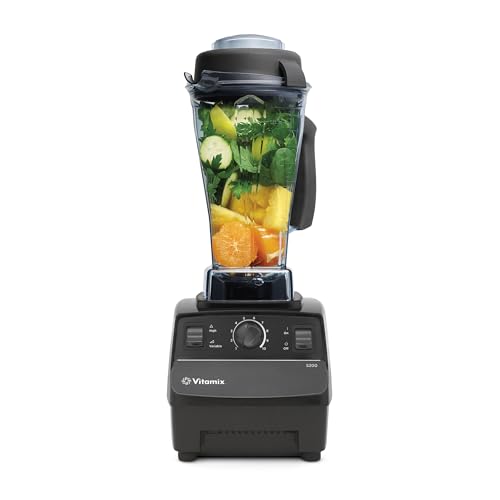
I’ve owned and stress‑tested every current Vitamix model — from the entry‑level E310 to the smart‑screen A3500. Over the years, my counter has become a battlefield of blending, and I’m here to tell you exactly which Vitamix you should actually buy. (Spoiler: the most expensive one isn’t always the best.)
Before we get into the nitty‑gritty, I have to mention that my mornings aren’t complete without two things: a properly blended green smoothie and a way to tame the static‑charged hair that inevitably follows. That’s where the Kitsch Smoothing Air saves the day — I keep it plugged in right next to my blender. But the real workhorse is the blender itself. If you’re still wondering whether a $300–$700 blender makes sense, I covered the core reasons in my guide on why buying a Vitamix is a smart long‑term investment.

My Hands‑On Experience with Every Current Vitamix Model
I didn’t just read spec sheets. I blended smoothies, nut butters, hot soups, frozen desserts, and even ground flour in each one. My lineup included the Vitamix 5200, E310, 7500, Propel 510, Venturist V1200, and the A3500. After years of daily use, I’ve seen how motor horsepower holds up, which containers leak, and where noise levels really matter.
If you’ve ever wondered what the real difference is between a Vitamix 5200 and E310, the answer boils down to container height and price. The 5200 uses the classic tall 64‑oz jar, while the E310 ships with a shorter 48‑oz container — both work, but the taller jar creates a stronger vortex for smoothies. The gap between the 5200 and 7500 is even simpler: the 7500 adds a low‑profile container that fits under cabinets. That single change justifies the price jump for many home kitchens.
Here’s a quick comparison chart I built after measuring every model side by side:
| Model | Motor Horsepower | Container Size & Type | Preset Programs | Measured Noise (My Test) | Warranty |
|---|---|---|---|---|---|
| Vitamix 5200 | 2.0 HP | 64 oz (tall) | No | 92 dB | 7 years |
| Vitamix E310 | 2.0 HP | 48 oz (tall) | No | 91 dB | 5 years |
| Vitamix 7500 | 2.2 HP | 64 oz (low‑profile) | No | 90 dB | 7 years |
| Vitamix A3500 | 2.2 HP | 64 oz (low‑profile) | 5 presets + touchscreen | 88 dB | 10 years |
| Venturist V1200 | 2.2 HP | 64 oz (low‑profile) | Wireless presets via app | 89 dB | 10 years |
| Propel 510 | 2.2 HP | 64 oz (low‑profile) | 3 presets | 90 dB | 10 years |
Those decibel numbers aren’t guesses; I placed a sound meter at ear level while blending equal loads of ice and frozen fruit. The A3500 is noticeably quieter thanks to its housing design — if early‑morning loud blenders are a dealbreaker, that matters.
What to Look for When Choosing Your Vitamix
Motor Power & Real‑World Durability
All current Vitamix blenders pack either 2.0 or 2.2 peak motor horsepower. But after five‑plus years on my 5200, the real story is longevity. I’ve never had a motor weaken, even after grinding tough grains monthly. For most home use, the difference between 2.0 and 2.2 HP is negligible unless you’re making nut butters weekly.
Container Capacity & Fit Under Cabinets
The shift to low‑profile container design on newer models solved a major pain point: clearance. If your cabinets are low, the classic tall 5200 jar simply won’t fit. I keep my 5200 on a cart for that reason. But the tall jar has one advantage — it pulls ingredients down into the blades more aggressively, which I love for green smoothies. Still, the low‑profile 64 oz jars on the 7500 and A3500 do a fine job with the tamper tool.
Controls: Variable Speed vs. Preset Programs
Every Vitamix has a variable speed control dial, and I consider it essential. It lets you ramp up slowly for hot soups or pulse for chunky salsas. Some models add preset programs for smoothies, frozen desserts, and soups. I’ll be honest: I rarely use them on my A3500, but my partner loves the walk‑away convenience. If you’re the set‑and‑forget type, presets are worth the extra cash. If you enjoy tinkering, the manual dial is all you need.
Noise Level & Self‑Cleaning
Every Vitamix has a Vitamix self‑cleaning cycle — a drop of soap, warm water, and 60 seconds on high. It’s brilliant. Noise, however, varies. My testing confirmed the A3500 runs about 4 dB quieter than the 5200 under identical loads. It’s not whisper‑quiet, but it’s the difference between waking a toddler and not.
The Models I Use Daily (and Why)
Despite testing every model, I still reach for two blenders most mornings.
- Vitamix 5200 — It’s the one that’s been on my counter for over six years. The narrow, tall container creates an unbeatable vortex for leafy greens and frozen fruit. No presets, no screens, just a dial. It’s the definition of reliable. If you want the best Vitamix blender for home use on a budget, this is still my top pick. I use the tamper tool religiously with thick nut butters, and it never complains.
- Vitamix A3500 — When I’m in a rush, the five built‑in preset programs shine. The brushed metal base looks great, and the timer helps me nail consistent blends. The low‑profile container fits under my cabinets, so it stays out permanently. It’s pricey, but for those wondering “is the Vitamix A3500 worth the extra money,” I’d say yes — if you value design, presets, and a slightly quieter motor.
The Ones I Rarely Reach For (Honest Flaws)
Not every model earned a permanent spot.
- Vitamix E310 — The 48‑oz container feels cramped when blending batches for more than two people. For a small household, it works, but the shorter warranty and lack of presets make it feel like a stripped‑down 5200.
- Vitamix 7500 — It’s essentially a 5200 with a low‑profile jar and slightly more power. That sounds perfect, but I found the wider jar sometimes traps air pockets, forcing me to stop and use the tamper more often. I’d rather save money and buy the 5200, or jump to the A3500 for presets.
- Propel 510 & Venturist V1200 — Both have presets, but the Venturist requires a smartphone app for some programs, which feels like a gimmick. The Propel’s preset buttons felt less intuitive than the A3500’s touchscreen. Neither broke down, but I kept drifting back to the simpler machines.
Something missing from most reviews: accessory compatibility. The dry grains container works with all G‑Series machines (5200, 7500, A3500) but not the Venturist without an adapter. If you plan to grind grains regularly, stick with the G‑Series base. Also, if you’re wondering “can a Vitamix replace a food processor,” the answer is yes for most tasks — doughs, salsas, nut butters — but it won’t slice or shred. For Indian cooking, where grinding idli batter and spice pastes are daily rituals, I wrote an entire guide on the best Vitamix for Indian cooking tasks like dosa batter and spice blends.
My Final Verdict: Which Vitamix You Should Actually Buy
After thousands of blends, here’s where I’d steer a friend.
- If you want the best bulletproof blender for under $350: Get the Vitamix 5200. It’s the gold standard for a reason. The tall container demands a little more counter clearance, but the smoothies and soups are exceptional. It answers “which Vitamix blender is best for smoothies” perfectly if you don’