Is Dole Pineapple Juice Gluten Free? How Much You Can Drink Safely
On this page 5 sections
If you have celiac disease or gluten sensitivity, you want a quick, clear answer about Dole Pineapple Juice’s gluten status. It is naturally gluten free because pineapple contains no gluten, and Dole labels it gluten free after testing to meet FDA standards.
Cross-contamination risks exist but are minimal here; the juice’s simple ingredients and Dole’s manufacturing controls keep gluten below harmful levels for most people.
Is Dole Pineapple Juice Gluten Free? How Much You Can Drink Safely
Dole pineapple juice is gluten free. You can safely drink it if you avoid gluten due to celiac disease or sensitivity. Each 8 oz (240 ml) serving contains no gluten ingredients or cross-contamination risks according to the label and manufacturer information.
People with celiac disease or non-celiac gluten sensitivity should avoid any drink with gluten-containing grains or additives. Dole pineapple juice does not list any gluten sources or risk of cross-contamination. However, if you are preparing for a gluten-sensitive medical test or procedure, follow your provider’s instructions strictly. For others, up to 8 oz daily is a reasonable serving size that avoids excess sugar and calories while providing hydration and vitamin C.
Check the product label for a gluten-free certification or allergen statement. Dole pineapple juice typically lists only pineapple and water, with no gluten-containing additives. If you see wheat, barley, rye, malt, or any gluten-related terms, avoid that product. When in doubt, contact the manufacturer for the most current gluten status.
If you want a juice with a similar flavor but with extra benefits for gluten sensitivity, consider fresh-squeezed pineapple juice or blends labeled gluten free. Avoid juices with added malt or barley extracts. Coconut water is another gluten-free alternative that provides hydration with fewer sugars. Always read labels carefully if you have severe gluten intolerance or celiac disease.
While cross-contamination can occur in manufacturing, Dole follows strict controls to keep gluten exposure minimal and well below safety limits.
Checking labels and trusting Dole’s testing helps you confirm the juice remains safe. The FDA gluten-free label is a reliable assurance when managing gluten intake.
Who Should Avoid or Limit Dole Pineapple Juice
Pineapple juice is acidic and may irritate people with severe acid reflux or gastritis. Its pH is around 3.2 to 4, which can worsen symptoms like heartburn or stomach pain.
If you have extreme sensitivity to even trace gluten, it’s best to talk with your healthcare provider before drinking Dole Pineapple Juice, despite its gluten-free label.
People with kidney disease should watch the potassium content, about 180 mg per 8 oz cup, as their kidneys may need to limit potassium intake.
Each 8 oz serving contains roughly 25 grams of natural sugar, which could raise blood sugar levels. If you have diabetes, monitor your overall sugar intake and consult your care team.
Pineapple juice contains the enzyme bromelain, which may cause digestive upset or allergic reactions in sensitive individuals.
Pineapple juice is not typically recommended as a remedy for diarrhea, as its acidity can sometimes worsen symptoms. For cough, the juice’s vitamin C may offer mild support, but it is not a treatment.

How to Verify Gluten-Free Status on Juice Labels
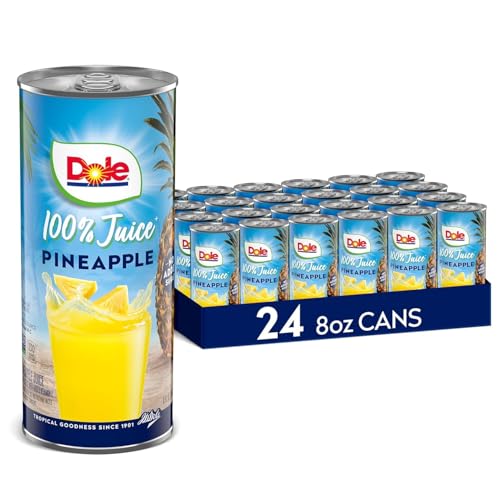
Dole Pineapple Juice does not have added sugar, and it naturally contains bromelain, an enzyme from pineapple. When checking if any juice is gluten free, start by scanning the ingredient list for gluten-containing grains like wheat, barley, rye, or malt derivatives.
Look for the gluten-free label on Dole Pineapple Juice packaging. This is a legal claim that means the product has been tested and meets the FDA standard of containing less than 20 parts per million (ppm) of gluten. That threshold isn’t zero gluten but is considered safe for most people with gluten sensitivity or celiac disease.
Manufacturers may change ingredients or processing methods, so it’s wise to check Dole’s website or contact their customer service for the latest allergen information. This is especially important if you buy juice blends, as added flavors or colors can sometimes introduce gluten unexpectedly.
Be cautious with mixed fruit juices that don’t clearly list all ingredients. Even a small amount of malt or wheat-based thickeners can add gluten. Pure pineapple juice like Dole’s is less likely to have these, but reading the label every time helps avoid surprises.
 Home Juicing Starter KitMake fresh juice that tastes good, costs less and keeps safely: 40 recipes with exact amounts, a yield chart and a 4-week plan.40 juice, smoothie and shot recipesYield, storage and food-safety chartsCost, yield and shopping-list calculator (Excel)
Safer Juice Alternatives for Gluten Sensitivity
Pure orange juice is naturally gluten free and typically contains few additives, making it a safe choice for those avoiding gluten. You can find detailed safety advice in our orange juice gluten free guide.
Coconut water is also gluten free and low in sugar. It’s a good option if you want hydration with minimal gluten risk. Learn more in our coconut water guide.
Avoid juices or blends that contain malt or wheat-based thickeners, which are common hidden gluten sources. Choosing no-added-sugar options helps you manage your sugar intake without complicating gluten concerns.
When selecting juice, always check the label for gluten-containing ingredients and added sugars. Sticking to pure juices from a single fruit or coconut water reduces the risk of gluten exposure and supports your gluten-free diet.