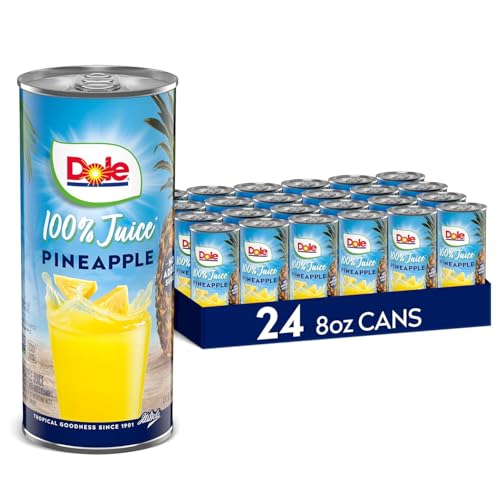
Straight to the point: Dole Pineapple Juice does not have added sugar. You’re looking at a product labeled 100% juice, made from pineapple juice concentrate and water. If you’ve been scanning the nutrition facts and felt confused by the high sugar content, you’re not alone. Let’s break down exactly what’s inside that can so you can make informed choices at the grocery store.
For those who love experimenting with juice-based recipes, smoothies, or even homemade sorbets, having a pure product matters. Once you verify your juice has no extras, you can pair it confidently with other ingredients. Many home cooks find that a high-quality extract like Dr Oetker Vanilla is perfect for enhancing flavor profiles without adding extra sugars. Just a few drops can transform a simple pineapple juice marinade into something bakery-quality.

Dole Pineapple Juice Ingredients: What’s Inside the Can?
Simplicity sells. Flip over a standard 6 oz or 46 oz can of Dole Pineapple Juice, and you’ll find a surprisingly short list. The official Dole Pineapple Juice ingredients list typically reads:
- Filtered Water
- Pineapple Juice Concentrate
- Ascorbic Acid (Vitamin C)
That ascorbic acid isn’t a sweetener. It acts as a preservative to maintain color and freshness. More importantly, it boosts the Vitamin C content, giving you about 100% of your daily value per serving. You’ll notice there’s no high fructose corn syrup, cane sugar, or artificial sweeteners lurking in the text.
One point often overlooked: “juice concentrate” sometimes raises red flags. However, in the context of Dole cans, the concentrate simply means the water has been removed from the fruit to transport it, then added back at the packaging facility. It’s not a syrup. If you want to dive deeper into how concentrates work and whether they secretly hide sweeteners, take a look at this detailed breakdown of when juice concentrates contain added sugars.
Decoding the “No Added Sugar” Promise
Regulation is your friend here. The U.S. Food and Drug Administration (FDA) requires that products labeled “100% juice” cannot contain any sweeteners, whether natural or artificial. If Dole dumped a spoonful of sugar into the batch, they couldn’t legally stamp “100% juice” on the front. You can review the specifics of these criteria via the FDA’s product categories and regulations to see how strict juice labeling truly is.
Do They Add Sugar? Decoding the Label
The definitive answer remains no. But that leads to the obvious follow-up: why does the label show so much sugar? A standard 8 fl oz serving contains about 28 grams of total sugars. That number looks alarming if you compare it to a soda, but the source is completely different.
Until recent years, it was hard to tell on a nutrition facts panel where exactly your sugar came from. Thanks to a major update in 2016, the FDA now mandates a separate line for added sugar. This was a game-changer for juice drinkers.
The FDA Added Sugar Update (Why It Matters for You)
When you look at a modern Dole Pineapple Juice nutrition facts label, you’ll see the line “Includes Xg Added Sugars.” On Dole 100% Pineapple Juice, that number is 0g. Every single gram of the 28g total comes from the pineapple itself. The 2016 labeling mandate forced brands to be transparent, making it nearly impossible for companies to hide corn syrup behind fruit imagery.
Here’s what an updated label looks like in practice:
| Nutrient | Amount per 8 fl oz |
|---|---|
| Calories | 130 |
| Total Sugars | 28g |
| Added Sugar | 0g |
| Vitamin C | 100% DV |
That zero on the added sugar line is the only piece of data you need to confirm the absence of sweeteners.
Natural Sugars vs. Added Sugars: Understanding the Difference
Your body processes a sugar molecule from fruit and a sugar molecule from table sugar in largely the same way. However, the package it comes in makes all the health difference. A pineapple delivers fiber, water, and micronutrients alongside its natural sugars. Juice strips the fiber but retains the micronutrients. Added table sugar delivers nothing but pure energy, often called “empty calories.”
Here’s how to separate the two when shopping:
- Natural sugars (or intrinsic sugars): Found inherently in fruits, vegetables, and dairy. These come with a nutritional matrix.
- Added sugar (or free sugars): Sugars added during processing or cooking. Includes white sugar, honey, syrup, and concentrated fruit juice used as a sweetener.
Dole uses concentrated pineapple juice specifically to reconstitute the fruit to its original state, not to spike the sweetness. That distinction keeps it in the “natural” category.
How to Read a Juice Nutrition Label Like a Pro
Brands know that a cheerful pineapple on the box changes how you perceive sweetness, so you must read the boring text on the back. Never trust the front label alone. “All Natural” is a marketing term, not a regulatory standard. “100% Juice” is a legal one.
Use this quick checklist when comparing no added sugar juice options:
- Scan the ingredient list first. If you see anything ending in “-ose” (dextrose, sucrose, fructose) besides the fruit itself, put it back.
- Check the added sugar line on the new nutrition facts panel. Double-check the serving size. A “low sugar” claim might just mean a tiny serving.
- Differentiate “juice cocktail” from “100% juice.” Cocktails are almost always vehicles for added sugar.
- Look for Vitamin C (Ascorbic Acid). Its presence often signals a focus on preservation, not taste manipulation.
Fresh Pineapple vs. Canned Dole Juice
Is fresh better? Yes, but it’s not because of added sweeteners. Fresh pineapple retains bromelain, an enzyme with anti-inflammatory properties that heat pasteurization destroys in canned juice. However, the sugar content profile is nearly identical ounce for ounce. You’re ingesting roughly the same amount of fructose and glucose with a fresh slice as you are with a cold glass of Dole. The key difference is the fiber in the whole fruit, which slows down sugar absorption and increases satiety.
Health Implications: Should You Choose No-Added-Sugar Juice?
Just because it’s a 100% juice with zero added sugar, doesn’t mean you should drink it with abandon. The World Health Organization suggests limiting free sugars to less than 10% of total energy intake. While the sugars in 100% pineapple juice are technically intrinsic, once the cell walls are broken, those sugars act similarly to free sugars in your body.
You’re getting a significant dose of manganese and Vitamin C. A single serving covers your entire day’s need for Vitamin C. That’s a real advantage over empty-calorie beverages. But without fiber, the liquid calories can spike blood sugar if consumed on an empty stomach.
Practical advice for the health-conscious consumer:
- Treat it as a cocktail mixer or smoothie base, not water. Diluting juice with sparkling water cuts the sugar concentration per glass.
- Pair it with protein or fat. A balanced cheese or a handful of nuts alongside your meal slows gastric emptying.
- Watch the volume. Stick to a 4-6 oz pour instead of an 8 oz glass.
If you’re comparing other breakfast beverages, the rule remains consistent. For example, we recently examined a similar question regarding citrus drinks and found identical labeling tricks at play in the breakdown of common orange juice brands. The principles of scanning for “added sugars” apply universally across the juice aisle.
So, does Dole pineapple juice have sugar? Absolutely—about 28 grams of it per cup. But it’s the sugar nature intended, not the spoon-fed kind. You now have the tools to tell the difference, read past the marketing, and enjoy your juice with full transparency.