Pink coconut water usually comes from oxidation. Natural compounds in the liquid react with oxygen, heat, or light.
The color alone does not prove spoilage. Freshness depends on smell, texture, storage, packaging, and the drink’s age.
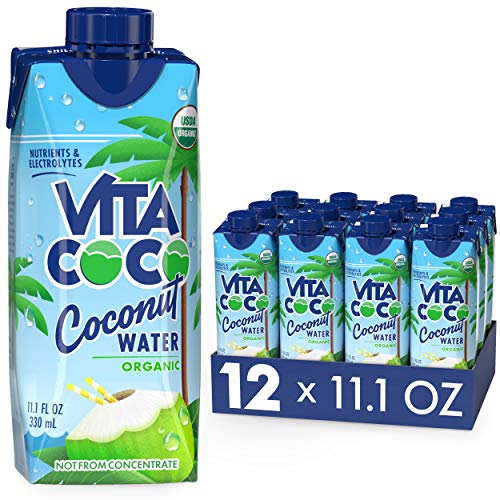
Vita Coco
Vita Coco Organic Coconut Water, Original, 11.1…
- TASTE OF THE TROPICS | Not long ago you needed a ladder and a machete to get great-tasting coconut water. Now all you have to do i…
- HYDRATING ELECTROLYTES & NUTRIENTS | Our refreshing coconut water contains vitamins, nutrients, and hydrating ELECTROLYTES.
- REFRESH YOURSELF | Coconut water is the go to choice for everyday, on-the-go refreshment — drink Vita Coco before a workout, with…

Why coconut water turns pink
Young coconuts contain phenolic compounds. Enzymes can react with those compounds after the coconut opens.
Oxygen then changes the liquid’s color. The result may look pale pink, salmon, peach, or light brown.
Heat and light can speed this reaction. A warm kitchen may change fresh coconut water faster than a cold refrigerator.
Natural coconut differences
Coconut variety also affects color. Some coconuts show pink tones sooner than others, even under similar conditions.
Processing can change the appearance too. Filtration, pasteurization, storage time, and package exposure all play a role.
Is pink coconut water safe to drink?
Pink color alone usually does not signal danger. Fresh coconut water can turn pink while its flavor remains normal.
Still, color cannot confirm safety. Check the entire drink before you decide to consume it.
- Smell the coconut water. Sour, fermented, or rotten odors are warning signs.
- Check the texture. Thick, slimy, or unusually clotted liquid deserves caution.
- Inspect the container. Swelling, leaking, or a damaged seal means you should discard it.
- Look for mold or unusual floating growth. Do not taste the drink first.
- Review storage history. Warm storage and long exposure raise the risk of spoilage.
A sealed product should match its label and storage instructions. An opened container needs refrigeration and prompt use.
For more detail, see this guide to coconut water storage.
Pink coconut water versus spoiled coconut water
| Sign | Likely meaning | What to do |
|---|---|---|
| Light pink color | Oxidation or natural coconut variation | Check smell, texture, packaging, and storage |
| Pink color with sour smell | Possible fermentation or spoilage | Discard it |
| Cloudiness in fresh coconut water | Natural pulp or suspended solids | Assess freshness before drinking |
| Fizzy liquid in a noncarbonated drink | Possible fermentation | Do not drink it |
| Swollen or leaking package | Possible pressure or seal failure | Discard it |
Color gives you a clue, not a final answer. Odor, texture, and package condition matter more.
How amateurs and professionals judge the color
An occasional buyer often uses one shortcut: pink means bad, or pink means harmless. Both rules fail because color changes have several causes.
A professional processor watches patterns. They track temperature, oxygen exposure, processing time, package condition, and sensory changes.
Repetition helps professionals notice small differences. They may compare the drink with a control sample from the same batch.
Consumers should not copy every professional shortcut. A trained operator may rely on records and controlled storage, while a home refrigerator offers less certainty.
The useful habit is simple. Inspect the drink, then check its storage history before making a decision.
Shortcuts worth avoiding
- Do not assume a normal smell guarantees safety.
- Do not taste a questionable drink to test it.
- Do not ignore a swollen container because the color looks normal.
- Do not leave opened coconut water warm for hours.
- Do not treat a printed date as the only freshness test.
Professional routines are not perfect, either. They work best with controlled handling and reliable records.
What about packaged coconut water?
Packaged coconut water may look clear, cloudy, or slightly tinted. Processing and storage can affect its color before you open it.
A packaged drink should have an intact seal. Check the label for storage directions and use the product within its stated timeframe.
Vita Coco Organic Coconut Water, Original, comes as twelve 11.1-ounce bottles. The product lists vitamins, nutrients, and electrolytes.
The product is fat free, gluten free, and non-GMO. Each bottle contains 60 calories, according to the supplied product details.
It suits an everyday drink, a meal, an afternoon break, or post-workout refreshment. Check the current price and availability on Amazon before ordering.
Read this Vita Coco review for a closer look at the drink.
Can heat make coconut water pink?
Yes. Heat can accelerate oxidation and other color changes.
Temperature swings also affect quality over time. Store unopened products according to the label, then refrigerate them after opening.
Does pink coconut water taste different?
It may taste slightly different. Oxidation can soften the fresh coconut flavor or create a faintly woody note.
A sharp sour flavor suggests a problem. Stop drinking it if the taste seems fermented or unpleasant.
Can fresh coconut water turn pink inside the coconut?
Yes, it can. Some fresh coconuts show pink water after opening, especially after exposure to air.
Use clean tools and drink fresh coconut water promptly. A strange smell or slimy texture still calls for disposal.
Should I drink pink coconut water after opening?
Pink color does not automatically rule it out. Refrigerate the opened drink and assess its smell, texture, and age.
Discard it if you notice sourness, fizz, mold, swelling, or an unusual texture.
Does pasteurization prevent pink coconut water?
Not always. Processing can reduce some changes, but color may still shift during storage.
Light, oxygen, temperature, and time continue to affect appearance after processing.
Does pink coconut water contain added dye?
Not necessarily. Natural oxidation often explains the color.
Read the ingredient list if you want to check for added colors. The shade alone cannot identify every ingredient.
A practical rule for pink coconut water
Pink coconut water often reflects oxidation rather than spoilage. Treat the color as a prompt for inspection, not as proof of safety or danger.
The best habit to adopt today is quick and professional: note how the drink looks, smells, and was stored before you drink it. That check takes seconds and avoids risky guesses.