How Much Coconut Milk Oil to Use on Hair? 1 to 2 Tablespoons Works
On this page 6 sections
Many people wonder if coconut milk oil really benefits their hair or if it is just another beauty trend. This natural blend combines coconut oil and coconut milk, offering more than coconut oil alone.
Coconut milk oil provides hydration, strengthens strands, and adds shine, making it a popular choice for those dealing with dryness, damage, or frizz. Understanding how it works and how to use it can help you decide if it suits your hair care routine.
Coconut Milk Oil Benefits for Hair
Coconut milk oil is good for your hair, especially if it is dry or damaged. Using about 1 to 2 tablespoons per application can help hydrate, strengthen, and smooth your hair. It works by penetrating hair shafts with fatty acids and proteins, which boost moisture and reduce breakage.
Coconut milk oil differs from plain coconut oil as it contains added proteins and nutrients from the milk, making it richer and more effective for hair care. This composition provides hydration and shine while also soothing the scalp.
The key benefits include improved moisture retention, increased hair strength, enhanced shine, frizz control, and scalp soothing. These effects come from the oil’s fatty acids and proteins that can penetrate deeply into the hair shaft, unlike heavier oils that only coat the hair surface.
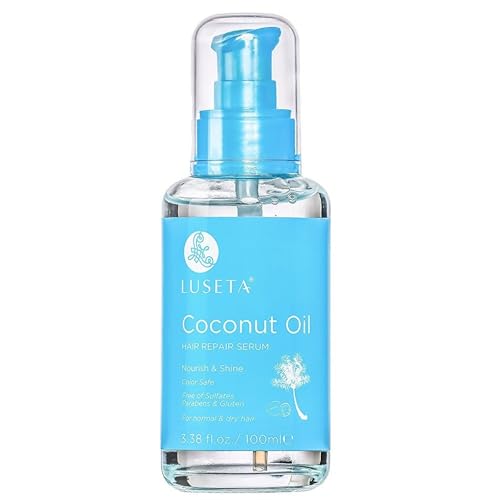
A typical effective amount is about 1 to 2 tablespoons per use, applied as a leave-in treatment or before washing. Using more than this can lead to greasy buildup, so moderation is important.
The fatty acids in coconut milk oil, such as lauric acid, and the proteins help repair hair by entering the hair shaft and reinforcing its structure. This reduces breakage and leaves hair feeling softer and looking healthier.
While coconut milk oil is generally safe, it can cause buildup if used too frequently or in excess, which may weigh hair down or make it look greasy. Some people may also experience allergic reactions or scalp irritation, so it’s best to test a small amount first.
Common Mistakes When Using Coconut Milk Oil on Hair
Some common mistakes with coconut milk oil can reduce its benefits or cause problems. Overusing it often leads to greasy buildup or weighed-down hair, especially if your hair is fine or naturally oily.
Using coconut milk oil without caution on very fine or oily hair can make your hair look limp and greasy rather than soft and shiny. These hair types usually need smaller amounts or less frequent application.
Ignoring signs of allergy or scalp irritation is another common error. Redness, itching, or rash after applying coconut milk oil means you should stop using it and consider a patch test before trying again.
Not leaving the treatment on long enough can limit its effectiveness. Coconut milk oil needs at least 20 to 30 minutes to penetrate hair shafts, so quick rinses often miss the chance to nourish deeply.
Coconut full fat milk offers hydration benefits similar to coconut milk oil but with more water content, so it’s less greasy and better for sensitive hair. Coconut oil with lemon may add shine and scalp cleansing effects but can dry hair if used too often or in high amounts.
Who Should Limit or Avoid Coconut Milk Oil for Hair
Coconut milk oil is not suitable for everyone. If you have a coconut allergy or sensitivity, avoid using it on your hair or skin to prevent reactions like itching, redness, or swelling.
People with very fine or naturally oily hair should limit coconut milk oil use, as it can cause buildup that weighs hair down and looks greasy. Applying only small amounts or avoiding roots helps reduce this risk.
Scalp conditions such as seborrheic dermatitis or psoriasis might worsen with coconut milk oil because the oil can trap moisture and irritants, leading to flares. If you notice increased itching, redness, or flaking, stop using it and talk to your healthcare provider.
Coconut fruit and its derivatives, including coconut milk oil, are not known to benefit gout or laryngopharyngeal reflux (LPR). These conditions require specific dietary and medical approaches, so do not expect hair oils to affect them.
Individual reactions vary, so listen to your body and care team advice. What works well for others might not suit you, particularly if your hair or scalp is sensitive.
How to Use Coconut Milk Oil for Hair: Tips and Methods
For best results, use coconut milk oil as a pre-shampoo treatment by applying about 1 to 2 tablespoons evenly through your hair, focusing on the ends. Cover your hair with a shower cap and leave it on for 20 to 30 minutes before washing as usual.
As a leave-in conditioner, apply a small amount—just a few drops—onto damp hair ends to smooth frizz and add shine without weighing hair down.
Warming coconut milk oil slightly before a scalp massage can improve circulation and scalp health. Gently massage the oil into your scalp with your fingertips for 5 to 10 minutes, then shampoo to remove excess oil.
DIY recipes that mix coconut milk and oil with banana offer extra moisture and nourishment, as banana’s vitamins and minerals complement the fatty acids in coconut oil. Similarly, blending coconut oil with pineapple juice can add mild exfoliating effects that refresh the scalp and hair.
Safer Alternatives to Coconut Milk Oil for Hair
While coconut milk oil works well for many, some prefer lighter or different options based on their hair type or sensitivity. Argan oil is a popular alternative, known for controlling frizz without weighing hair down. It absorbs quickly and leaves a subtle, nutty scent, making it a good choice if you want hydration without heaviness.
Olive oil offers deep conditioning benefits similar to coconut milk oil but tends to cause less buildup. It’s rich in antioxidants and vitamin E, which nourish hair strands over time. Olive oil’s scent is stronger and earthier, so it suits those comfortable with a more noticeable aroma.
Tea tree oil blends are another option, especially if scalp health is your priority. These blends can reduce dandruff and soothe irritation, helping prevent ingrown hairs and supporting a balanced scalp environment. For details on tea tree oil for ingrown hairs, see tea tree oil for ingrown hairs.
In terms of penetration, coconut milk oil generally excels at entering hair shafts due to its medium-chain fatty acids and protein content. Argan oil penetrates moderately, offering lightweight moisture, while olive oil works mostly on the surface, sealing and protecting hair. Tea tree oil is used more for the scalp than the hair shaft itself.
If your hair is fine or prone to oiliness, argan oil’s lighter feel is safer. Thick, dry, or coarse hair types often benefit more from olive or coconut milk oil. Sensitive scalps should consider tea tree oil blends cautiously, as pure tea tree oil can cause irritation if not diluted properly.
If you enjoy coconut milk drinks like the ALDI coconut drink, it provides hydration and electrolytes but does not directly affect hair health. Drinking lemon water with coconut milk offers vitamin C and hydration benefits but won’t replace topical hair treatments.