Does Coconut Water Need a Hechsher? Kosher Rules Explained
On this page 7 sections
- Does Coconut Water Need a Hechsher? Kosher Rules Explained
- How Processing and Ingredients Affect Coconut Water’s Kosher Status
- What to Look for on the Label and Package
- Coconut Water and Passover: Special Kosher Considerations
- Why Fresh Coconut Water Is Usually Simpler Kosher-Wise
- Common Questions About Coconut Water and Kosher Certification
- More Questions, Answered
Coconut water is the clear liquid inside young green coconuts. It is naturally free from additives, making fresh coconut water simple from a kosher perspective. However, most people buy packaged coconut water, which may have added ingredients or undergo processing that affects its kosher status.
Understanding when coconut water needs a hechsher helps you choose products that fit your dietary requirements, especially during Passover or if you follow strict kosher rules.
Does Coconut Water Need a Hechsher? Kosher Rules Explained
Coconut water may or may not need a hechsher to be kosher. Whether it does depends on how it is processed and what ingredients it contains. Pure, fresh coconut water straight from the nut is generally kosher without certification because it is a natural fruit juice. Packaged coconut water, however, can include additives or be processed on equipment shared with non-kosher products, which raises kosher concerns. A hechsher confirms the product meets strict kosher standards, including supervision of ingredients and production methods.
A hechsher is a symbol indicating kosher supervision of the ingredients, equipment, and production process. It ensures no non-kosher substances or cross-contamination occur during manufacturing. Some authorities allow plain coconut water without visible certification, especially when it contains no additives and comes from trusted sources.
Still, it’s best to check the current package for a recognized kosher symbol, as formulations and processes vary between brands and batches. If the label shows no certification, verify the ingredient list carefully or contact the manufacturer.
| Type of Coconut Water | Kosher Status | Hechsher Needed? |
|---|---|---|
| Fresh from a whole coconut | Generally kosher | No |
| Packaged, plain (no additives) | Often kosher, but depends | Sometimes |
| Packaged with additives or flavorings | May not be kosher without hechsher | Yes |
How Processing and Ingredients Affect Coconut Water’s Kosher Status
Packaged coconut water often contains added flavors, preservatives, or vitamins, any of which might require kosher certification. The equipment used for processing may also handle non-kosher items, increasing the risk of cross-contamination. If extra ingredients are present or the production process is unclear, a hechsher is advisable to ensure the product complies with kosher laws. In contrast, 100% pure coconut water with no additives and from a reliable source may not require certification.
Added ingredients such as flavorings, vitamins, minerals, sweeteners, and stabilizers commonly require kosher certification to confirm they comply with kosher rules. Even if the label states “unflavored,” it doesn’t guarantee the product was supervised or free from non-kosher additives.
Coconut water with vitamins or added minerals often needs a hechsher because these ingredients might come from non-kosher sources or be processed on shared equipment. Flavored coconut water almost always requires kosher certification to verify that all additives meet kosher standards.
When in doubt, choosing unflavored, additive-free coconut water with a hechsher gives the most certainty for kosher compliance.
What to Look for on the Label and Package
Look for a kosher symbol on the package label, especially if the coconut water is flavored or sweetened. Check the ingredient list for additives that might require certification. If the label lacks kosher certification and the product has additives, it’s safer to avoid it or confirm with the manufacturer.
Look carefully at the label for a kosher symbol or certification mark if you need assurance. Check the ingredient list for any additives like natural flavors, preservatives, or vitamins that could affect kosher status. Also, examine the packaging for statements about kosher supervision. If no hechsher is present and the label lists extra ingredients or unclear processing methods, it is safer to avoid the product or seek one with certification.
Keep in mind that different versions of coconut water from the same brand can have different kosher statuses. For example, original, flavored, or sparkling varieties might not all be certified kosher.
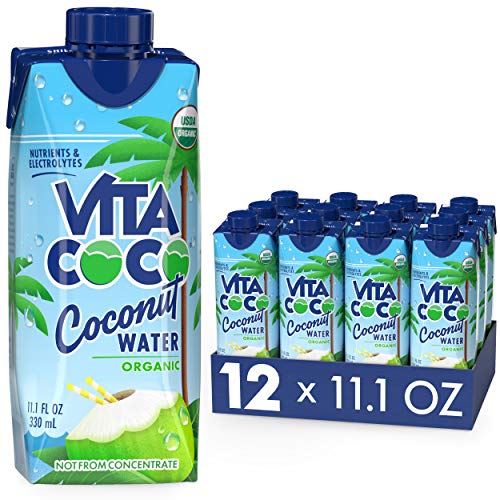
If you buy multipacks, note that individual bottles or cartons may contain varying formulas. Each one should have a kosher symbol to be considered kosher.
Finally, verify the kosher symbol on the actual package you purchase, not just online pictures. Packaging can vary by region or over time, and certification can change.
Coconut Water and Passover: Special Kosher Considerations
During Passover, kosher certification for coconut water is stricter. Even pure coconut water may need certification to confirm it was not processed with chametz (leavened grain products). Some brands produce special Passover-certified coconut water, which is preferable if you observe Passover dietary laws.
Look for a kosher-for-Passover symbol on the package if you want to use coconut water during the holiday. This certification confirms the product meets the special Passover rules.
If the coconut water you have doesn’t have a Passover hechsher, it’s safest to avoid it during Passover. Some brands make a separate Passover version, so check labels carefully.
Why Fresh Coconut Water Is Usually Simpler Kosher-Wise
Fresh coconut water taken directly from the coconut is usually simpler kosher-wise because it contains no additives and is not processed. It’s naturally kosher and does not require certification. However, once packaged or mixed with other ingredients, kosher status depends on those factors.
The kosher rules for fresh coconut water focus on the tools and environment used to extract and serve it. Any knives, containers, or glasses should be kosher and free from non-kosher residues. This ensures no cross-contamination with non-kosher foods or drinks during handling.
Unlike packaged coconut water, fresh coconut water skips pasteurization, filtration, blending, and the addition of preservatives or flavorings. These commercial steps can introduce ingredients or shared equipment that require kosher supervision. So, fresh coconut water avoids those complexities.
Packaged coconut water often blends from multiple coconuts and may contain added vitamins, electrolytes, or sweeteners. That’s why certified kosher symbols are important on those products. Fresh coconut water, by contrast, is a single-ingredient natural liquid with fewer kosher concerns.
Common Questions About Coconut Water and Kosher Certification
Coconut itself is kosher, so the fruit and its natural water inside are kosher without certification when fresh. The coconut falls under the category of permissible fruits and vegetables in kosher dietary law.
Organic labeling does not guarantee kosher status. Organic means the product is grown without synthetic pesticides or fertilizers, but it says nothing about kosher processing or supervision. You still need to look for a kosher symbol on packaged coconut water.
Likewise, gluten-free coconut water is not automatically kosher. Gluten-free simply means it does not contain gluten proteins, which is unrelated to kosher rules. Cross-contamination with non-kosher ingredients can still happen, so certification matters.
Electrolytes in packaged coconut water may come from various sources—like minerals or added salts—that could raise kosher questions. Without kosher supervision, you can’t be sure these additives meet kosher standards.
Not all coconut water products are kosher by default. Some brands add flavorings, preservatives, or blend juices that make certification necessary. Check the label for a recognized kosher symbol to be certain.
If you want to learn more about kosher certification for other drinks, consider reading about tea needing a hechsher or grape juice kosher rules. They cover how processing and certification affect beverages similar to coconut water.