How Many Electrolyte Drinks Should You Drink Daily?
On this page 5 sections
The recommended intake is 1-2 electrolyte drinks per day, depending on activity level and hydration needs, especially after intense exercise or heat exposure.
Electrolyte drinks help replenish vital minerals lost through sweat, illness, or intense activity. But how many should you drink per day? The answer depends on your activity level, diet, and health needs.
What Are Electrolytes and Why Do You Need Them?
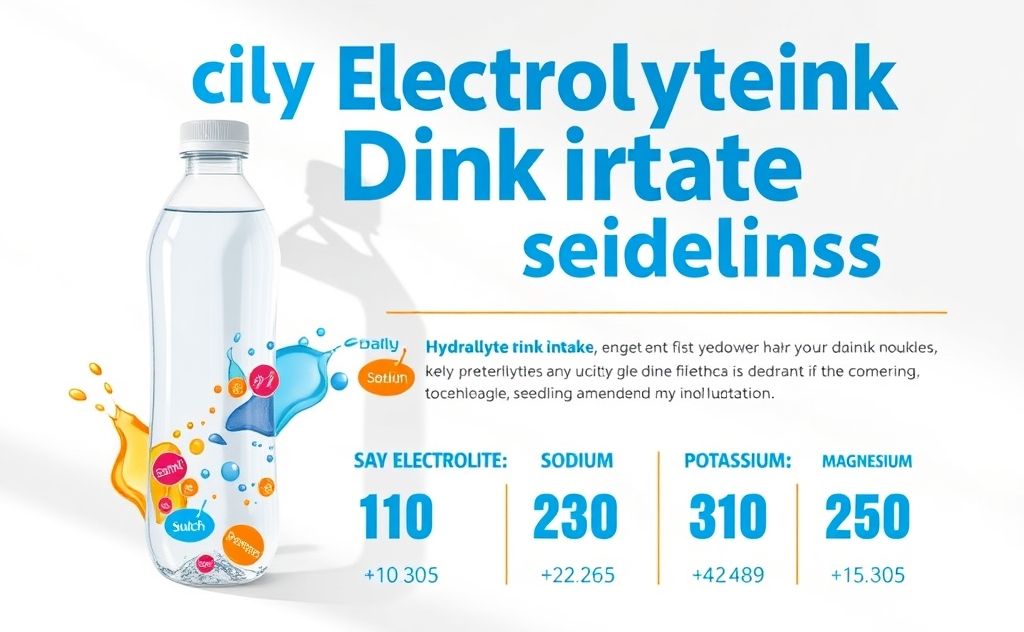
Electrolytes are minerals like sodium, potassium, calcium, and magnesium that carry an electric charge. They regulate muscle function, nerve signaling, and fluid balance. You lose them through sweat, urine, and illness, making replenishment crucial.
Key Electrolytes and Their Functions
- Sodium: Maintains fluid balance and nerve function.
- Potassium: Supports heart rhythm and muscle contractions.
- Calcium: Strengthens bones and aids muscle function.
- Magnesium: Helps with energy production and muscle relaxation.
How Many Electrolyte Drinks Per Day Is Safe?
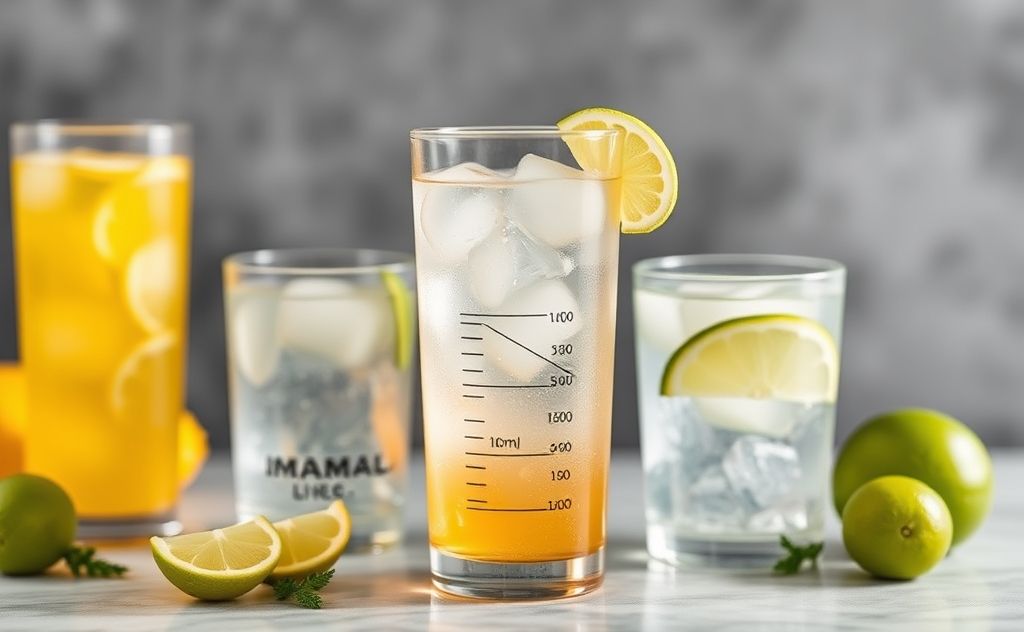
For most people, 1-2 electrolyte drinks per day is sufficient. Athletes or those sweating heavily may need more. Overconsumption can lead to imbalances, so moderation is key.
When to Drink Electrolyte Beverages
- After intense workouts: Replenish lost minerals from sweating.
- During illness: Combat dehydration from vomiting or diarrhea.
- In hot weather: Prevent heat exhaustion and muscle cramps.
Risks of Too Many Electrolyte Drinks
Excessive intake can cause:
- High blood pressure (from too much sodium)
- Irregular heartbeat (from excess potassium)
- Kidney strain (from mineral overload)
Natural Sources of Electrolytes
Instead of relying solely on commercial drinks, consider whole foods:
| Electrolyte | Food Sources |
|---|---|
| Sodium | Pickles, olives, broth |
| Potassium | Bananas, spinach, sweet potatoes |
| Calcium | Dairy, almonds, leafy greens |
| Magnesium | Nuts, seeds, dark chocolate |
Homemade Electrolyte Drink Recipe
Skip the sugar-laden sports drinks with this simple alternative:
- 2 cups water
- ¼ tsp salt (sodium)
- ¼ cup orange juice (potassium)
- 1 tbsp honey (optional for energy)
Electrolyte Drinks vs. Water
Water is best for general hydration, but electrolyte drinks are useful in specific cases:
- Water: Ideal for daily hydration and light activity.
- Electrolyte drinks: Necessary after heavy sweating or illness.
For a natural hydration boost, try lemon-infused water or hydration smoothies.
Expert Recommendations
According to Cleveland Clinic, most people only need electrolyte drinks after prolonged sweating or dehydration. The American Heart Association warns against excessive sodium intake from sports drinks.
Special Considerations
Athletes and Heavy Sweaters
Endurance athletes may need extra electrolytes. Look for low-sugar options or make your own.
Children and Elderly
Kids and seniors are more prone to dehydration. Pediatric electrolyte solutions are safer than sports drinks.
Medical Conditions
People with kidney disease or high blood pressure should consult a doctor before increasing electrolyte intake.
Related pick: Check today's price on Amazon