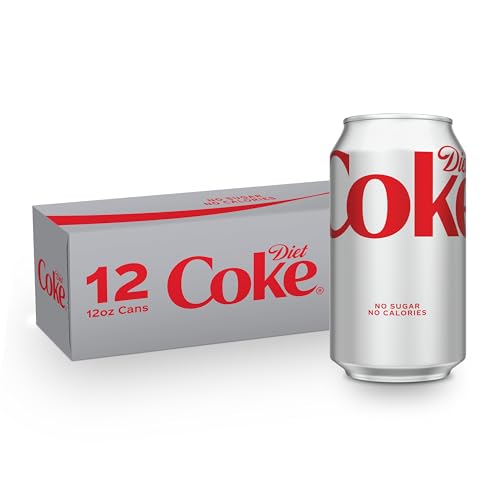
Diet Coke Calories And Zero-Calorie Claims Explained
On this page 7 sections
- Diet Coke Calories And Zero-Calorie Claims
- Check What Is In Diet Coke, Not Just The Calorie Line
- Use Diet Coke Wisely For Weight, Blood Sugar And Fasting
- Know Who Should Limit Diet Coke And Artificial Sweeteners
- Compare Diet Coke With Coke Zero And Other Zero Sodas
- Quick Label Checklist Before Your Next Can
- Frequently Asked Questions
The most common trap with Diet Coke calories is assuming that “zero” on the label means you can drink endless cans and ignore everything else in the glass. That can stall weight goals, keep sweet cravings going, and crowd out better choices like water or unsweetened tea.
Once you know how many calories are really in Diet Coke, how the sweeteners work, and who needs to set a limit, you can decide calmly: is this can helping you today, or is it just habit?
Diet Coke Calories And Zero-Calorie Claims
Diet Coke is labeled as having 0 calories per 12 oz can in the US, but lab tests usually find only about 1–4 calories in the whole can, which is extremely low. So yes, Diet Coke is “zero calories” on the label, yet it isn’t literally free of every last calorie.
Those trace calories mainly come from the tiny amounts of artificial sweeteners in each can. Aspartame contains about 4 calories per gram, and acesulfame potassium (Ace-K) also has energy, but each is used in fractions of a gram, so the total energy measured stays in that 1–4 calorie range per 12 oz can.
Under FDA rounding rules, any drink with fewer than 5 calories per reference serving can be labeled “0 calories” or “calorie‑free.” That means the “0” you see on the Nutrition Facts panel really means “below 5 calories” rather than a mathematical zero.
Compared with regular Coke, the calorie gap is huge. A 12 oz can of regular Coca‑Cola has roughly 39 g of sugar and about 140 calories, while that same 12 oz of Diet Coke has only those 1–4 measured calories and 0 g sugar.
Fountain or restaurant Diet Coke uses the same type of formula, so the calories stay extremely low. A typical 16 oz glass would still only add a handful of calories at most, far below what you’d get from a sugar‑sweetened soda of the same size.
| Drink and size | Calories (approx.) | Sugar (approx.) |
|---|---|---|
| Diet Coke, 8 oz glass | 0 on label (about 1–3 measured) | 0 g |
| Diet Coke, 12 oz can | 0 on label (about 1–4 measured) | 0 g |
| Regular Coke, 8 oz glass | about 90 calories | about 26 g sugar |
| Regular Coke, 12 oz can | about 140 calories | about 39 g sugar |
| Plain water, 8–12 oz | 0 calories | 0 g |
| Plain sparkling water, 12 oz | 0 calories | 0 g |
For weight or blood sugar, those 1–4 calories in Diet Coke are negligible compared with the 140 calories and 39 g sugar in a 12 oz regular Coke. Swapping one regular can for Diet Coke saves you roughly 140 calories and a large sugar hit at a time.
Where many people get tripped up is assuming that because Diet Coke adds almost no calories, everything else can be on autopilot. It’s still easy to stall weight loss if a diet soda lets you justify extra snacks or larger portions, and big amounts of any fizzy, acidic drink can still aggravate heartburn is diet coke cause acid reflux for some people.
Check What Is In Diet Coke, Not Just The Calorie Line
Diet Coke stays near‑zero calories because it uses high‑intensity sweeteners instead of sugar, so a can has only about 1–4 measured calories even though it tastes sweet. Those tiny amounts of aspartame and acesulfame potassium provide the sweetness that replaces the ~39 g of sugar you’d find in a regular cola.
The standard ingredient list for Diet Coke in the US includes carbonated water, caramel color, phosphoric acid and/or citric acid, natural flavors, caffeine, aspartame, and acesulfame potassium (Ace‑K). Formulas can vary a bit by country, but that core mix is typical.
High‑intensity sweeteners like aspartame and Ace‑K are hundreds of times sweeter than table sugar by weight, so only a sprinkle is needed to match the sweetness of all that sugar in regular Coke. Aspartame itself has about 4 calories per gram, yet the mass used per can is so small that the total energy from it and Ace‑K ends up around 1–4 calories in lab tests.
Other listed ingredients mostly affect taste, fizz and shelf life, not calories. Carbonated water, acids such as phosphoric or citric acid, caramel color and flavorings contribute tartness, color and mouthfeel but essentially no energy.
On the Nutrition Facts panel, start with the serving size (usually 12 oz for a can). Just below that you’ll see calories listed as 0, then lines for total sugar and added sugar, which read 0 g in Diet Coke; if you want more detail on sugar vs sweeteners, does diet coke have sugar walks through that difference.
Farther down the panel, check sodium, since some people track salt intake, and look at the ingredient list under the panel for the names of the sweeteners: aspartame and acesulfame potassium. Caffeine content is often printed near the ingredients or elsewhere on the can rather than in the main panel.
A common misunderstanding is assuming “zero calories” always means “zero sugar” for every drink. Some beverages can contain small amounts of sugar yet still legally show 0 calories, because anything under 5 calories per serving can be rounded down.
Use Diet Coke Wisely For Weight, Blood Sugar And Fasting
Diet Coke isn’t truly 0 calories in a literal sense: a 12 oz can has about 1–4 actual calories, which the label can legally round to “0 calories,” so it’s essentially calorie‑free for weight, blood sugar and fasting decisions.
For weight control, those 1–4 calories per can are negligible next to the roughly 140 calories in a 12 oz regular Coke, almost all from sugar. Swapping one regular Coke a day for a Diet Coke saves about 140 calories; two swaps save about 280 calories a day, which can matter over weeks if your eating doesn’t change elsewhere.
Observational studies do find that people who drink more diet soda tend to weigh more or gain more weight over time, but that doesn’t prove Diet Coke causes weight gain. People who already have overweight, diabetes risk, or a high fast‑food intake are more likely to choose diet drinks, which is reverse causation and confounding in action.
Randomized controlled trials that assign people to replace sugary drinks with diet drinks generally show modest weight loss or no weight change, not weight gain, when other habits stay similar. So Diet Coke itself doesn’t appear to push weight up, but it also isn’t magic—if it leads you to snack more, that can erase the calorie savings.
| Drink | Calories per serving | Servings | Total |
|---|---|---|---|
| 12 oz regular Coke | 140 kcal | 2 | 280 kcal |
| 12 oz Diet Coke | 4 kcal | 2 | 8 kcal |
| Total | 288 kcal | ||
On blood sugar, the artificial sweeteners in Diet Coke don’t raise blood glucose the way sugar does, which matters if you’re counting carbs or watching post‑meal spikes. Small human studies suggest little or no insulin response to common sweeteners at usual doses when they’re taken without sugar, so direct metabolic effects look minor.
If you have diabetes, Diet Coke can be a low‑carb alternative to regular soda and can help you avoid the 39 grams of sugar in a standard cola. Water, sparkling water, and unsweetened tea or coffee are still better everyday drinks, and very sweet flavors—sugary or sugar‑free—can keep cravings for sweets alive, so treating Diet Coke as an occasional tool rather than a default drink often works best.
For intermittent fasting focused on fat loss, 1–4 calories from a Diet Coke almost never change the physiology of your fast. The sweet taste can still trigger hunger or make a strict water‑only fast feel harder, so some people choose to keep Diet Coke for eating windows and stick to plain or unsweetened drinks during the fasting period.
Know Who Should Limit Diet Coke And Artificial Sweeteners
Most people can safely have a small amount of Diet Coke each day, but some health situations call for tighter limits or different drinks. A 12 oz can is labeled 0 calories, yet chemical tests commonly find about 1–4 actual calories; U.S. labeling rules allow manufacturers to round amounts under 5 kcal down to zero. Those tiny calories don’t meaningfully affect body weight or blood glucose by themselves. If you have acute or chronic pancreatitis, zero-calorie drinks such as Diet Coke don’t add fat or sugar calories that would directly stress the pancreas. Still, care teams usually recommend clear, non-carbonated fluids such as water, oral rehydration solutions, or broth during and immediately after a flare; follow your written instructions about when (or if) you may reintroduce carbonated or diet sodas.
Regulators set an acceptable daily intake (ADI) for artificial sweeteners such as aspartame and acesulfame potassium, based on body weight and built with a wide safety margin for lifetime daily use. Because these sweeteners are hundreds of times sweeter than sugar by weight, each can of Diet Coke needs only a tiny amount, far below those daily limits. Most estimates suggest you’d have to drink many cans every single day, often far beyond what you’d naturally choose, to get near a sweetener ADI from Diet Coke alone.
In everyday terms, keeping Diet Coke at about 1–2 cans a day or less leaves a comfortable cushion under the sweetener ADIs and also keeps caffeine, acids, and sodium from crowding out water, milk, and other drinks. Even on a day with 3–4 cans, most healthy adults would still be under the sweetener ADIs, but having that level every day isn’t ideal for your teeth, bones, or stomach.
Caffeine is the other main limit to think about. Most healthy adults can have up to about 400 mg of caffeine a day, and a 12 oz Diet Coke has around 30–40 mg—roughly the same as a small cup of black tea. Three cans give you about 100 mg, and the total climbs quickly if you also drink coffee, energy drinks, or strong tea. If you live with heart rhythm problems, anxiety, migraines, high blood pressure, or severe reflux, your doctor may want your personal caffeine cap lower than 400 mg.
When caffeine gives you palpitations, heartburn, or insomnia but you still enjoy the taste of Diet Coke, switching to a caffeine‑free diet cola is usually safer than stacking more regular Diet Coke on top of your other sources.

During pregnancy, many guidelines suggest keeping caffeine at or below about 200 mg a day and using artificially sweetened drinks modestly rather than as your main fluid. If you choose Diet Coke while pregnant, aiming for no more than about one 12 oz can in a day—balanced with plenty of water, milk, or seltzer—keeps both caffeine and sweeteners comfortably low. Anyone with pregnancy complications such as high blood pressure, diabetes, or growth concerns should check with their obstetric team before including caffeinated sodas.
For children and teens, the same can of Diet Coke delivers more caffeine and sweetener per kilogram of body weight than it does for you, so they reach ADIs and caffeine limits faster. Pediatric groups generally prefer that younger kids avoid caffeine entirely and that teens keep it modest, which makes diet sodas better as an occasional treat than a daily habit. Teeth are also more vulnerable to the acid in sodas, even without sugar.
Anyone with phenylketonuria (PKU) needs to avoid Diet Coke and other aspartame‑sweetened drinks altogether, because aspartame contains phenylalanine, an amino acid they can’t safely process. Checking the ingredient list for the word “aspartame” or a PKU warning, and choosing aspartame‑free options such as some stevia‑ or sucralose‑sweetened sodas or plain flavored seltzers, is essential in that situation.
For reflux or frequent heartburn, the carbonation and acids in Diet Coke can relax the lower esophageal sphincter and irritate an already sensitive esophagus, so even one can may trigger burning or regurgitation for some people. Many people with reflux do better keeping cola drinks for rare occasions, having them with food rather than on an empty stomach, or swapping to non‑carbonated, less acidic drinks like water or herbal tea.
Phosphoric acid gives colas their tang, and observational studies have linked heavy, long‑term cola intake (several cans a day over years) with lower bone mineral density and more kidney problems in some groups, although findings are mixed. If you already have osteoporosis, kidney disease, a history of kidney stones, or are at high fracture risk, keeping all cola drinks—diet and regular—limited and talking with your doctor about a sensible cap such as no more than one can on most days is a cautious approach.
Compare Diet Coke With Coke Zero And Other Zero Sodas
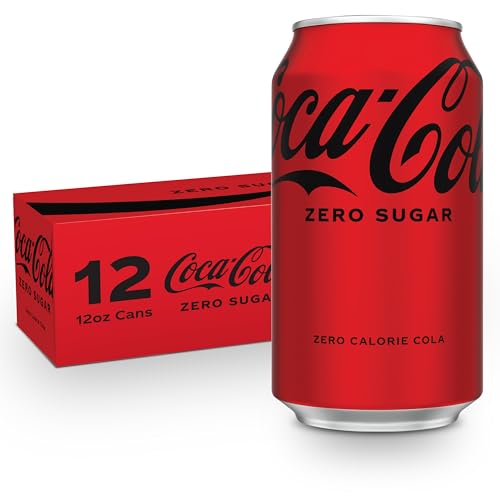
Diet Coke, Coca‑Cola Zero Sugar, and caffeine‑free Diet Coke all count as essentially 0‑calorie colas—a 12 oz can of each is labeled 0 calories and 0 g sugar, with only about 1–4 actual calories from trace ingredients. So if you’re comparing “diet coke zero calories” with “Coke Zero” or another diet cola, the answer to how many calories are in a Diet Coke Zero Sugar is effectively the same as Diet Coke for weight and blood sugar purposes. That also means any “calories Diet Coke” or “coke diet calories” calculations won’t really change as you move among these Coke‑branded zero sodas, because all are treated as calorie‑free under labeling rules.
Where these drinks differ is flavor, caffeine, and sometimes the exact mix of sweeteners and acids, not the calorie count. Diet Coke uses its own flavor base and tends to taste lighter and less like classic Coca‑Cola, while Coca‑Cola Zero Sugar is formulated to taste closer to regular Coke. Caffeine‑Free Diet Coke has a similar flavor profile to Diet Coke but with 0 mg caffeine per 12 oz serving.
| Drink (12 oz) | Label calories | Label sugar | Approx. caffeine |
|---|---|---|---|
| Diet Coke | 0 kcal | 0 g | about 34 mg |
| Coca-Cola Zero Sugar | 0 kcal | 0 g | about 34 mg |
| Caffeine-Free Diet Coke | 0 kcal | 0 g | 0 mg |
Because Diet Coke and Coca‑Cola Zero Sugar each provide about 30–40 mg caffeine in 12 oz, they both count as small caffeine sources that add up across your day. If you’re trying to stay under about 400 mg of caffeine (or about 200 mg in pregnancy), three cans of either cola plus a couple of cups of coffee can push you over that target, whereas Caffeine‑Free Diet Coke doesn’t add anything to that total.
If you love the flavor of classic Coca‑Cola but want zero sugar and effectively zero calories, Coca‑Cola Zero Sugar often feels more familiar on the tongue than Diet Coke.
Some other zero‑calorie sodas and flavored drinks use sucralose, stevia, or blends instead of aspartame—for example, many clear lemon‑lime diet sodas, flavored seltzers, and some “zero sugar” cranberry drinks from brands like Ocean Spray. Labels for these drinks typically show 0 calories and 0 sugar per serving, or may hide 1–4 calories under the “0” because the total is still below the 5‑calorie rounding cutoff. If you notice headaches, bloating, or a strange aftertaste with one sweetener, trying a different zero‑calorie soda with stevia or sucralose and watching how you feel over a few days is reasonable.
Regardless of the sweetener, nearly all zero‑calorie sodas are acidic, often with a pH similar to regular cola, so they can soften tooth enamel and aggravate reflux even without sugar or calories. Drinking them with meals, limiting long sipping sessions, and rinsing your mouth with plain water afterward helps reduce that impact.
For everyday hydration, letting water, sparkling water, and unsweetened tea or coffee do most of the work while you slot Diet Coke, Coca‑Cola Zero Sugar, or stevia‑sweetened “zero” drinks into one or two moments of the day keeps your overall sweetener and acid load gentler. That pattern usually makes it easier to cut back further later if you need to while still enjoying the taste and fizz right now.
Quick Label Checklist Before Your Next Can
To clear up the label first: how many calories is in a diet coke, how many calories is a diet coke, how many calories are in a can of diet coke—on paper it says 0, and lab tests usually find only about 1–4 calories in a 12 oz can, which is tiny. Before you open your next can, run this quick check so the label lines up with your weight goals, diabetes plan, reflux or heart issues, pregnancy, kidney limits, or fasting rules.