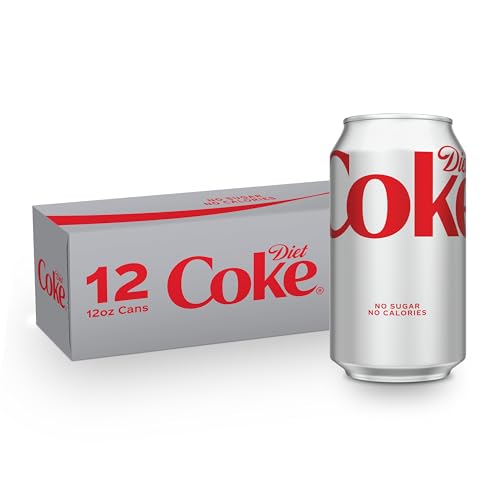
You know the feeling. Ten minutes after cracking open a cold can, your stomach starts to gurgle. By the fifteen-minute mark, you’re scanning the room for the nearest bathroom. It’s not in your head — Diet Coke really does make many people poop, and there’s a clear chain of digestive events behind it.
This article breaks down the gut mechanics in plain terms. You’ll learn which ingredient triggers the reaction, why the diet version hits harder than regular Coke, how fast the effect kicks in, and what you can do to avoid the rush if you still want your afternoon fix.

Jolly Rancher
JOLLY RANCHER Zero Sugar Assorted Fruit Hard…
- Contains one (1) 6.1-ounce bag of JOLLY RANCHER Zero Sugar Assorted Fruit Flavored Hard Candy
- Long-lasting, colorful hard candy you can take with you on the go, to work, on snack breaks and back home again at the end of the…
- Sugar free, aspartame free, fruit flavored hard candy individually wrapped for convenience and exceptional freshness to the last p…

The Immediate Trigger: Why Your Gut Reacts So Fast
Your digestive tract doesn’t wait for permission. When something irritates or stretches the stomach, the body sends a signal to the colon to make room. That signal is called the gastrocolic reflex, and it’s the main reason Diet Coke sends you running.
Here’s what happens in the first few minutes: the liquid hits your stomach, the stomach stretches, and that stretch fires a nerve message straight to the colon. The colon responds with a wave of contractions that pushes whatever is waiting in your lower intestine toward the exit. For most people, this reflex is strongest in the morning, right after waking up. Drink a Diet Coke then, and you’re stacking the reflex on top of a colon that’s already primed to move.
The speed matters. Liquids don’t need to be digested like solid food, so they pass through the stomach in roughly 20 to 30 minutes. But the reflex starts working in under five. That’s why the urge can hit before you’ve even finished the can.
The Three Culprits in Your Can: Caffeine, Carbonation, and Sweeteners
Diet Coke isn’t one chemical — it’s a combination of three separate gut irritants. Each one works through a different mechanism, and together they stack the deck.
Caffeine and the Colon Contraction
Caffeine is a known stimulant, but most people think only of the brain. It also stimulates the muscles of the digestive tract. A standard 12-ounce can of Diet Coke contains about 46 milligrams of caffeine — roughly half a cup of coffee. For sensitive individuals, that’s enough to trigger measurable colon contractions within minutes.
Studies on coffee show caffeine increases colonic motor activity about 25% more than plain water. Diet Coke’s effect is milder than coffee, but it’s still present. If you drink Diet Coke on an empty stomach, the caffeine hits the bloodstream faster and the colonic response gets stronger.
The Gas Pressure of Carbonation
The bubbles do more than tickle your nose. Carbonation introduces carbon dioxide gas into your stomach, which increases intestinal pressure. That pressure stretches the stomach wall, and stretch is one of the primary triggers for the gastrocolic reflex.
Think of it this way: your gut is a tube. When you pressurize one end, the whole system wants to equalize. The fastest way to release that pressure is through the other end. Cold carbonation makes this worse because cold liquids slow gastric emptying slightly, keeping the gas and liquid in the stomach longer and prolonging the stretch signal.
The Osmotic Pull of Artificial Sweeteners (Aspartame, Sucralose, and Sorbitol)
This is where Diet Coke differs from regular Coke. The artificial sweeteners in diet sodas — primarily aspartame in Diet Coke, with sucralose and sorbitol in other diet drinks — create an osmotic effect in the small intestine.
Here’s the short version: these sweeteners aren’t fully absorbed in the small intestine. They stay in the gut lumen, pulling water in from surrounding tissues to dilute them. That extra water increases the volume of intestinal contents, which stretches the bowel wall and accelerates gut motility. The result is looser stool and a faster transit time.
Sorbitol is the worst offender. It’s a sugar alcohol that’s notoriously poorly absorbed — even small amounts can cause gas, cramping, and diarrhea. Diet Coke itself doesn’t contain sorbitol, but many diet sodas and sugar-free products do. If you’re sensitive to one sweetener, you’re likely sensitive to others in the same category.
Diet Coke vs. Regular Coke: Why the “Diet” Version Might Be Worse
Regular Coke has sugar, and sugar is absorbed quickly in the small intestine. That means regular Coke’s osmotic effect is minimal — the sugar gets pulled into the bloodstream before it can draw much water into the colon.
Diet Coke’s sweeteners don’t get absorbed the same way. Aspartame breaks down into amino acids and is mostly absorbed, but it still has a mild osmotic effect. Sucralose passes through largely intact. The net result: diet sodas pull more water into the bowel than their sugary counterparts, creating a stronger laxative effect in sensitive people.
There’s also the gut microbiome angle. Some research suggests artificial sweeteners can alter the balance of gut microbiome bacteria over time, potentially increasing sensitivity to future triggers. It’s not a dramatic shift, but it’s one more reason diet drinks can feel harsher on the system.
Regular Coke has its own issues — the sugar load can feed certain bacteria and cause gas — but it rarely produces the same urgent, watery result that diet sodas do. If you’ve noticed that Diet Coke sends you to the bathroom but regular Coke doesn’t, the sweeteners are the likely difference.
The Timeline: How Fast It Hits and How Long It Lasts
Everyone’s gut is different, but there’s a typical pattern. Here’s what to expect if you’re sensitive:
- 0 to 5 minutes: The carbonation hits the stomach. The gastrocolic reflex fires. You might feel a first wave of gurgling or pressure.
- 5 to 20 minutes: Caffeine enters the bloodstream and stimulates colonic contractions. The osmotic effect begins as sweeteners reach the small intestine and pull in water.
- 20 to 45 minutes: The combined effects peak. This is when most people feel the urgent need to go. Stool is often loose or semi-formed.
- 45 minutes to 2 hours: The effect fades. One bowel movement is typical; a second is possible if you drank a large amount or have a sensitive gut.
The duration depends on how much you drink and what you’ve eaten. A single can on an empty stomach produces a sharper, shorter response. A can with a meal spreads the effect out and often softens it, because food slows gastric emptying and buffers the sweeteners.
Temperature plays a role too. Cold Diet Coke triggers a stronger reflex because cold liquids cause more pronounced stomach contractions. Room-temperature Diet Coke is less likely to produce the urgent rush. It’s a small difference, but for sensitive people it can be the difference between a normal bathroom trip and an emergency one.
Does Your Body Build a Tolerance? The Habit Factor
Yes, tolerance develops — but it’s partial, not absolute. The gastrocolic reflex doesn’t fully adapt; your colon will always respond to stretch. What changes is your sensitivity to caffeine and sweeteners.
Regular Diet Coke drinkers often report that the effect fades after a few weeks of daily consumption. The body upregulates certain receptors and downregulates others to compensate for the constant stimulation. Caffeine tolerance is well-documented — regular users need more to get the same jolt. The same mechanism applies to the colon.
But there’s a catch. If you quit for a week and then drink one, the effect comes back stronger than before. Your gut forgets the stimulus quickly. This is why occasional drinkers experience the most dramatic bathroom responses while daily drinkers barely notice.
There’s also a darker side to habitual consumption. Chronic osmotic diarrhea — even mild — can lead to dehydration and electrolyte imbalances over time. If you’re drinking multiple diet sodas a day and consistently having loose stools, your body is losing more water and sodium than it should. That’s worth paying attention to.
How to Drink Diet Coke Without the “Rush” (Practical Tips)
You don’t have to give up Diet Coke entirely. You just need to change the conditions. Here are strategies that actually work:
- Drink it with food. A meal slows gastric emptying and dilutes the sweeteners. The gastrocolic reflex still fires, but it’s weaker and less urgent.
- Let it warm up. Take it out of the fridge 15 minutes before drinking. Cold liquid is a stronger trigger than room temperature.
- Sip slowly. Chugging a can delivers a concentrated hit of caffeine and carbonation. Spreading it over 30 minutes gives your gut time to adapt.
- Switch to caffeine-free. Caffeine is a major driver of colonic contractions. Removing it eliminates a big chunk of the effect.
- Hydrate first. Drink a glass of water before the Diet Coke. A well-hydrated gut is less prone to the osmotic pull of sweeteners.
- Try a different sweetener. If you’re sensitive to aspartame, test a soda with sucralose or stevia. Some people tolerate one better than another.
One practical note: if you’re planning a long car ride or a meeting, don’t drink Diet Coke in the first hour beforehand. The timeline above is reliable enough to plan around — give yourself a 45-minute buffer and you’ll usually be safe.
If you’re also dealing with bloating or weight concerns, you might want to read about diet soda bloating and diet coke weight effects for a fuller picture.
When It’s Not Normal: Signs You Should See a Doctor
Most of the time, Diet Coke-induced bowel movements are a nuisance, not a medical problem. But there’s a line between a normal response and a sign of something else.
You should seek medical advice if you experience any of the following:
- Diarrhea that lasts more than 48 hours after your last Diet Coke
- Blood or mucus in your stool
- Severe abdominal cramping that doesn’t subside after a bowel movement
- Unintentional weight loss
- Fever or chills alongside digestive symptoms
- Frequent diarrhea even when you haven’t had any diet soda
These symptoms could point to IBS, fructose malabsorption, or another underlying digestive condition that Diet Coke is simply aggravating. The soda isn’t the root cause — it’s just the trigger that exposes the problem.
One important distinction: a normal bowel movement from Diet Coke is semi-formed and happens once. Diarrhea from osmotic pressure is watery, urgent, and often happens multiple times. If you’re seeing the latter on a regular basis, your gut is telling you something. Listen to it.
Frequently Asked Questions
Can caffeine-free Diet Coke still cause a bowel movement?
Yes. Caffeine-free Diet Coke still contains carbonation and aspartame, both of which can trigger the gastrocolic reflex and osmotic effect. The response is usually weaker, but for sensitive people it’s still enough to cause a bathroom trip.
Is it safe to use Diet Coke as a laxative?
No. Using Diet Coke to relieve constipation is a bad idea. It may produce a bowel movement, but it does so through osmotic pressure and colon stimulation, which can lead to dehydration and electrolyte loss. Chronic use can worsen constipation by disrupting your gut’s natural rhythm. A proper laxative or dietary fiber is a safer choice.
Why does Diet Coke make me poop but not coffee?
Coffee has caffeine, but it also has chlorogenic acids and other compounds that stimulate the gut in different ways. Diet Coke’s combination of carbonation, aspartame, and caffeine creates a unique trigger profile. Your individual sensitivity to these components determines which one affects you more. Some people react to caffeine, others to the sweeteners — you might be in the latter group.
Does drinking Diet Coke every day damage your digestive system?
Daily consumption doesn’t cause structural damage, but it can alter your gut’s sensitivity and bacterial balance. Chronic osmotic diarrhea from daily diet soda intake can lead to dehydration and electrolyte imbalances. If you drink it daily and have loose stools, you’re losing more water than you should. Moderation is the key.
How much Diet Coke is too much for digestive comfort?
There’s no universal number, but most people who experience the laxative effect report it with one to two cans. Three or more cans in a short period almost guarantees a strong response in sensitive individuals. If you’re prone to the effect, stick to one can with food and see how your body responds.
What to Remember When the Gurgling Starts
- The gastrocolic reflex is the main driver — carbonation and volume stretch the stomach, which signals the colon to move.
- Caffeine adds a second layer of stimulation, directly increasing colon contractions.
- Artificial sweeteners draw water into the bowel, creating looser stool and faster transit.
- Diet Coke is more likely to cause loose stools than regular Coke because sugar absorbs quickly while sweeteners don’t.
- The effect peaks 20 to 45 minutes after drinking and usually resolves within two hours.
- Tolerance builds with daily use but resets quickly if you stop.
- Drink it with food, warm, and slowly to minimize the effect.
If you’re looking for a sugar-free option that won’t trigger the same digestive response, you might try Coke Zero side effects — it uses a different sweetener blend that some people tolerate better. And if you’re curious about how other drinks affect your gut, check out this breakdown of green juice and digestion.
For those times when you want a sweet treat without the digestive gamble, JOLLY RANCHER Zero Sugar Assorted Fruit Hard Candy is a handy alternative. It’s sugar-free and aspartame-free, so it won’t trigger the same osmotic response as Diet Coke. The individually wrapped pieces make it easy to keep a few in your bag or desk drawer for when a craving hits. You can check the current price on Amazon.
At the end of the day, Diet Coke’s effect on your bowels is a mechanical process. Understand the triggers, adjust the conditions, and you can usually keep the gurgling under control. Your gut is telling you something — it’s just a matter of deciding whether to listen or to adjust.