The short answer
Diet soda does not have proven brain-damaging effects in ordinary amounts. Current research raises questions about frequent intake, sweeteners, caffeine, and long-term health patterns.
Most alarming headlines rely on observational studies. These studies can find links, but they cannot prove diet soda caused memory loss, stroke, or dementia.
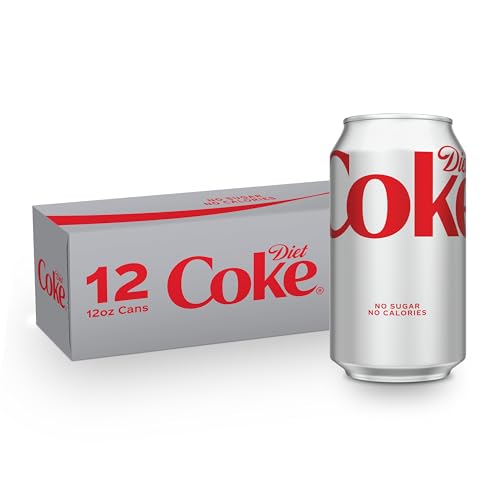
Diet Coke
Diet Coke Soda Soft Drink Cans, 12…
- Diet Coke is the soda that makes taking a break better
- Cold and crispy with bold flavor that's never boring, Diet Coke soft drinks know how to keep things interesting
- Find some me time with a refreshing Diet Coke
Your response also matters. Caffeine may disturb sleep, trigger headaches, or cause jitters in sensitive people. Sweeteners can cause digestive symptoms in some users, while others notice no problem.
How the advice changed
Early worries focused on ingredients
Public concern began with artificial sweeteners, not with the brain itself. Saccharin faced cancer concerns during the twentieth century, while regulators reviewed animal studies and human exposure.
Those fears shaped a simple message: natural sugar seemed safer than synthetic sweeteners. Later reviews found the human risk from approved sweeteners remained low at normal intake levels.
Diet soda gained a health advantage
During the 1980s and 1990s, diet soda became a practical replacement for sugary drinks. It offered familiar taste without sugar or calories.
That advice made sense for people who replaced regular soda with diet soda. It was never a complete health assessment. A zero-calorie drink can still support a habit of frequent sweet drinks.
Brain studies changed the tone
Research during the 2010s linked frequent diet drink intake with stroke and dementia in some groups. News coverage often treated those findings as proof of direct brain harm.
Scientists later stressed the study limits. People with diabetes, obesity, high blood pressure, or existing vascular risk may choose diet drinks more often. Those conditions can also affect brain health.
More recent work examines gut microbes, appetite signals, blood vessels, sleep, and dietary patterns. The evidence remains mixed. No single mechanism explains every association.
Advice that was wrong
Diet soda is automatically healthier
This statement is too broad. Diet soda usually contains fewer calories than sugar-sweetened soda, but that fact does not make it a nutritious drink.
The better comparison depends on the replacement. Diet soda may reduce sugar intake when it replaces regular soda. Water, unsweetened tea, or plain sparkling water usually adds fewer dietary concerns.
Diet soda causes brain damage
Current evidence does not support this claim. Observational links cannot separate the drink from health conditions, diet quality, smoking, sleep, income, or medical treatment.
Some studies still deserve attention. A weak causal claim is not the same as no research signal. It means the signal needs better testing.
One can creates a dangerous exposure
Approved sweeteners have intake limits based on safety reviews. Those limits include substantial safety margins and apply to average daily exposure.
Risk rises with total intake, not with a single occasional can. The exact sweetener also matters, so check the label for the product you drink.
Advice that was always situational
Use diet soda during weight loss
This can work for some people. A diet drink may satisfy a soda habit without adding sugar or calories.
Other people find sweet taste keeps cravings active. Some also compensate with snacks later. Track your own hunger and intake for several weeks.
Drink it for caffeine
Caffeine can improve alertness, but timing matters. Late-day caffeine may shorten sleep or reduce sleep quality.
The listed Diet Coke 12-pack contains 46 milligrams of caffeine per 12-fluid-ounce serving. That amount is lower than many coffees, but sensitive people may still notice it.
Avoid it during pregnancy
Pregnancy advice focuses on total caffeine, not only diet soda. Health professionals often recommend a daily caffeine limit, commonly 200 milligrams during pregnancy.
Count coffee, tea, energy drinks, chocolate, and medicines too. Sweetener guidance can vary with the product and local health advice.
Stop if it causes symptoms
Some people report headaches, reflux, bloating, or an aftertaste after diet soda. Caffeine, carbonation, acidity, and individual sweeteners can all play a role.
Symptoms do not prove brain injury. They still justify a pause or a simpler beverage. This diet soda bloating guide covers digestive complaints in more detail.
What science says about the brain
Memory and dementia
Several cohort studies reported associations between diet drinks and later cognitive decline. These findings often appeared after researchers followed adults for years.
Such studies cannot establish timing with certainty. Early disease may change food choices before diagnosis. Other health factors may explain part of the association.
Randomized trials rarely last long enough to test dementia. They usually measure appetite, glucose, weight, or short-term cognitive effects instead.
Stroke and blood vessels
Some research connects frequent artificially sweetened drink intake with vascular events. High blood pressure, diabetes, smoking, and inactivity can distort those results.
Blood vessel health remains central to brain health. The stronger, unchanged advice is to control blood pressure, avoid smoking, exercise regularly, and manage diabetes.
Attention and alertness
Caffeine blocks adenosine, a brain signal linked with sleepiness. This effect can improve alertness for a few hours.
Regular caffeine use can produce tolerance. Sudden withdrawal may cause headache, fatigue, or poor concentration. A gradual reduction often feels easier.
Appetite and reward
Sweet taste can activate reward pathways even without sugar. Scientists study whether this affects appetite, cravings, or later food choices.
Human results vary. Some trials find little effect on hunger. Others find differences between individuals, especially with frequent use.
Gut-brain signals
Sweeteners may interact with gut microbes and intestinal taste receptors. Results differ across sweeteners, doses, and people.
Animal findings do not translate neatly to human drinking habits. Researchers still lack a reliable test showing ordinary diet soda directly harms the human brain through the gut.
What has not changed
Water remains the simplest everyday drink. Unsweetened tea and plain sparkling water also avoid sweeteners and added sugar.
Regular soda still supplies substantial sugar. Replacing it with a no-calorie diet drink can lower sugar exposure, especially when the person does not replace those calories with snacks.
Sleep, blood pressure, movement, smoking, and diabetes control matter more for long-term brain health than one isolated beverage choice.
Portion awareness still matters. A 12-fluid-ounce can provides a defined serving, while large fountain drinks can encourage more frequent intake.
Diet soda and Diet Coke in practical terms
Diet Coke Soda Soft Drink Cans, 12 fl oz, 12 Pack offers twelve portioned cans. The product data lists zero calories and 46 milligrams of caffeine per 12-fluid-ounce serving.
Its serving size makes caffeine tracking easier. It does not answer whether diet soda suits your sleep, digestion, or appetite. Those questions require attention to your own response.
Check the current price on Amazon before ordering. Read the current package label too, since formulations and labeling can change.
Diet Coke contains no sugar according to the listed product information. This diet Coke sugar article discusses that point separately.
A clearer comparison
| Question | What the evidence supports | Practical advice |
|---|---|---|
| Does diet soda contain sugar? | Many diet sodas contain no sugar. Check the specific label. | Use the label, not the product name, for nutrition details. |
| Does it cause dementia? | No proven direct cause exists. Some observational studies report an association. | Focus on vascular health and keep intake moderate. |
| Can it affect sleep? | Caffeine can delay sleep or reduce sleep quality. | Avoid afternoon or evening use if sleep suffers. |
| Can it affect appetite? | Responses vary across people and sweeteners. | Watch cravings and snacking after consumption. |
| Is it better than regular soda? | It usually reduces sugar and calorie intake. | It can serve as a transition, not a required health drink. |
| Is water preferable? | Water avoids caffeine, sweeteners, acidity, and calories. | Make it the default drink when practical. |
How much is reasonable?
No universal brain-specific limit exists for diet soda. Frequency, serving size, caffeine intake, medical conditions, and dietary pattern all matter.
An occasional can presents a different exposure than several large servings every day. Habitual high intake deserves a closer look, even without symptoms.
Try a simple test. Record servings, caffeine, sleep, headaches, and cravings for one week. Then reduce intake for another week and compare the results.
This approach is not perfect. Personal tracking cannot diagnose disease, but it can reveal a useful pattern.
When to ask a clinician
Seek medical advice for new memory problems, confusion, repeated severe headaches, weakness, speech changes, or vision loss. Do not blame these symptoms on diet soda alone.
Ask a clinician about caffeine if you have palpitations, uncontrolled blood pressure, panic symptoms, or persistent insomnia. Discuss sweetener exposure if you have phenylketonuria and the product contains aspartame.
People with diabetes can also ask how diet drinks fit their wider eating plan. This diet soda fasting guide addresses one common testing question.
What the evidence means for you
The strongest current position is cautious, not alarmist. Diet soda can reduce sugar compared with regular soda, yet frequent intake may fit poorly with sleep, appetite, or personal symptoms.
Advice changed because researchers moved from ingredient fears to long-term population studies. Those studies raised useful questions, but they did not prove direct brain damage.
Choose water most often when you can. Treat diet soda as an optional beverage, track caffeine, and judge the habit within your complete diet and health profile.
Frequently asked questions
Does diet soda damage brain cells?
There is no strong human evidence showing ordinary diet soda intake directly kills brain cells. Existing studies mainly report associations with longer-term outcomes.
Can diet soda cause memory loss?
It has not been proven to cause memory loss. New or worsening memory problems need medical assessment, regardless of beverage intake.
Is caffeine the main brain risk?
Caffeine is the clearest short-term brain-related factor. It can improve alertness, but it can also disturb sleep, cause jitters, or trigger headaches.
Does zero sugar mean zero health effect?
No. Zero sugar describes one nutrition feature. Caffeine, acidity, carbonation, sweeteners, drinking frequency, and replacement choices still matter.
Can diet soda help me lose weight?
It may help when it replaces sugary drinks and does not increase later snacking. Weight results vary because people respond differently to sweet taste and appetite cues.
Should children drink diet soda?
Children generally need little caffeine. Water and milk usually fit better as regular choices. Check pediatric guidance for a child with specific medical needs.
Is one can a day dangerous?
Research does not show a clear brain danger from one ordinary serving. Your total caffeine intake and personal response still matter.
Which diet soda is safest?
No single brand suits everyone. Check caffeine, sweeteners, serving size, and your own symptoms. A product with no caffeine may suit someone whose sleep suffers.