Skip to content
JuicerAdvicesDrink safety, answered
Tea

How Long Can You Drink Pinalim Tea? Your Complete Detox Timeline Guide

On this page 7 sections
  1. How Long You Can Drink Pinalim Tea
  2. What’s Actually in Pinalim Tea
  3. Side Effects and When to Stop
  4. Who Should Avoid Pinalim Tea
  5. What to Drink Instead for Digestion or Weight Loss
  6. Your Next Steps
  7. Questions People Ask
The verdict
Limit Pinalim tea to 7–14 days at a time, then take a break. One cup nightly is the maximum. The senna leaf in it is a stimulant laxative, and using it daily for longer can make your bowels dependent on it.

The box says it’s safe for daily use. Your friend did a 10-day cleanse. Another person drinks it every night for months. Which one is right? The answer comes down to one ingredient: senna leaf.

Senna is a stimulant laxative, and that changes how long you can safely drink Pinalim tea. Here’s a timeline that respects your colon, your electrolytes, and your long-term digestion.

What to remember
Limit Pinalim Tea to no more than 7 days at a time due to its senna content.
Senna is a stimulant laxative that can cause cramping, diarrhea and electrolyte loss.
Pinalim Tea contains caffeine from green tea (about 25–50 mg per cup).
Avoid Pinalim Tea if pregnant, breastfeeding, or taking certain medications.
For safer digestive support, try peppermint tea or psyllium fiber.

How Long You Can Drink Pinalim Tea

Most people should not drink Pinalim Tea for more than 7 days at a time, and some should skip it entirely. That limit comes from its senna leaf, a stimulant laxative that can make your bowels dependent on it and cause cramping, loose stools and electrolyte loss if you use it longer.

Senna works by irritating the lining of your colon, which speeds up the push of stool. Short-term, that can relieve constipation. Over weeks, your gut can become less responsive without it, and you may lose potassium and other electrolytes through frequent loose stools. The FDA requires senna products to carry a warning about not using them for more than a week without a doctor’s advice.

Pinalim Tea is a blend of senna leaf, green tea, Garcinia cambogia and other plant extracts. The senna is the ingredient that drives most of its laxative effect. Green tea adds a small amount of caffeine—about 25 to 50 mg per cup, depending on how long you steep it. The other botanicals have little reliable evidence for weight loss at the amounts in a tea bag.

Use patternHow longThen what
Short-term daily use7 days maxStop at least 3 days
Extended cycleUp to 14 daysStop at least 7 days
Occasional use1–2 cups per weekCan continue long term
Safe Pinalim tea timelines
Why the label differs
The package’s “safe for daily use” claim refers to the tea as a product, not to senna’s long-term safety. Senna is meant for short-term use only, usually no more than one week without medical advice.
GN + VIDA Pinalim Tea
If you want the standard 30-bag box
GN + VIDA Pinalim Tea
This is the regular-strength Pinalim tea with senna leaf, green tea, white tea, red tea, and flax seed. It gives you a month’s supply if you follow the short-cycle pattern, but it does not change the 7–14 day limit on continuous use.
See current price

If you’re drinking it every night because it helps you go, that’s a sign to look at the cause instead. Stimulant laxatives don’t fix slow digestion, low fiber, or dehydration. They just force a movement while the underlying issue stays. For most people, a better long-term plan is more water, more fiber from food, and movement after meals. You can read more about what Pinalim tea actually does in what does Pinalim tea do.

If you’ve already been drinking it daily for more than two weeks, don’t stop cold turkey if you’re worried about rebound constipation. Taper down over a few days while you increase fluids and fiber, and ask a pharmacist if you need help choosing a gentler option.

What’s Actually in Pinalim Tea

What’s Actually in Pinalim Tea

The label lists senna leaf first, then green tea, Garcinia cambogia, and a handful of other extracts. Senna is the active laxative. Green tea supplies caffeine. Garcinia cambogia is marketed for weight loss but has weak evidence behind it.

Senna contains compounds called sennosides that stimulate the large intestine. That’s why it works within 6 to 12 hours. It’s also why it can cause cramps and urgency. The green tea in the blend adds a modest caffeine dose—enough to notice if you’re sensitive, but far less than a cup of coffee.

Garcinia cambogia, often listed as hydroxycitric acid (HCA), is the other headline ingredient. Small studies have shown modest weight loss at best, and many were short or poorly designed. The amount in a tea bag is unlikely to make a difference. If you see claims that it blocks fat or curbs appetite, treat them as marketing, not established fact.

You’ll find caffeine in Pinalim Tea because of the green tea. A cup brewed for 3 minutes might have 25 to 50 mg. That’s about a quarter to half the caffeine in an 8 oz coffee. If you’re cutting back on caffeine, account for it, but it’s not a high-caffeine drink.

Myth
Pineapple flavoring means this tea has digestive enzymes like bromelain
Fact
Pineapple flavoring is just flavor. Bromelain is found in fresh pineapple stem and fruit, not in a flavor extract or a small amount of dried pineapple powder. This tea will not digest protein or break down food the way a bromelain supplement might.

Because the exact senna and caffeine amounts aren’t listed on the label, you can’t fine-tune your dose. That matters if you’re also drinking coffee, energy drinks, or other teas. Most healthy adults should stay under about 400 mg of caffeine a day, and if Pinalim is one of several sources, it’s easy to go over without knowing. For a closer look at the claimed benefits, see Pinalim tea benefits.

Side Effects and When to Stop

The most common side effects are cramping, loose stools, urgency and nausea. They usually show up within a few hours of drinking a cup. If you feel fine, you may still notice more frequent bowel movements than usual.

Stop using it and call your doctor if you have severe or worsening abdominal pain, blood in your stool, signs of dehydration (dark urine, dizziness, dry mouth), a racing heartbeat, or muscle weakness. Those can signal electrolyte loss or another problem. Also stop if you develop a rash or swelling of your face or throat.

Don’t use Pinalim Tea for more than a week without medical advice. Longer use raises the risk of dependence on laxatives and electrolyte imbalance. If constipation persists beyond a week, talk to your doctor about underlying causes and safer options.

Stop the tea and call your doctor if
Any of these signs appear while using Pinalim tea:

Using senna daily for more than two weeks can make your colon rely on it. Your bowel forgets how to move without the chemical nudge, a problem called laxative dependence. That is why the 7-to-14-day limit matters: it gives your gut a chance to reset.
Before your next cup, check
You have not used Pinalim for more than 14 days in a row
You are drinking at least 6–8 glasses of water a day
You are not combining it with other laxatives or diuretics
You have no cramping, dizziness, or palpitations from the last cup
When to call your doctor
Persistent changes in bowel habits can hide a real digestive problem.
Blood in your stool or black, tarry stools
Weight loss without trying
Constipation that lasts more than a week without tea
Cramping or diarrhea that does not stop after you quit the tea
When to call your doctor
If you have any of these signs after drinking Pinalim Tea, stop and seek medical advice promptly.
Severe or worsening abdominal pain
Blood in your stool or black, tarry stools
Signs of dehydration: dizziness, dark urine, dry mouth, or racing heartbeat
Muscle weakness or cramps that don’t go away
No bowel movement for 3 days after stopping the tea
When to call your doctor
Seek medical attention if you experience any of these after drinking Pinalim Tea.
Severe or worsening abdominal pain
Blood in your stool
Signs of dehydration (dark urine, dizziness, dry mouth)
Racing heartbeat or muscle weakness
Swelling of your face or throat
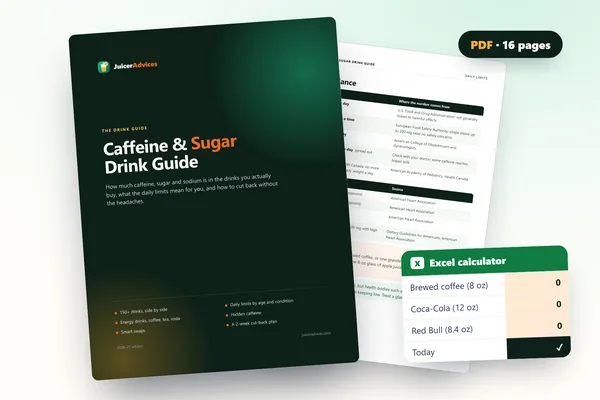
From JuicerAdvices · our own guidePage 6 shows how much caffeine is in each kind of tea, from green to chai.Caffeine & Sugar Drink Guide: the printable guide and its Excel calculatorCaffeine & Sugar Drink GuideKnow exactly how much caffeine, sugar and sodium is in 150+ popular drinks, and set daily limits that fit you.Caffeine and sugar in 150+ drinksDaily limits, smart swaps and a cut-back planDaily caffeine and sugar calculator (Excel)$14.99 $9.99Get it for $9.99See what's inside and watch the 2-minute video →16-page printable PDF + Excel calculator · instant download · 30-day refund

Who Should Avoid Pinalim Tea

Pinalim Tea is not for everyone. Skip it if you’re pregnant or breastfeeding, because senna may not be safe for the baby. Avoid it if you have inflammatory bowel disease, an obstruction, or severe hemorrhoids. And don’t use it if you’re taking digoxin, diuretics or other medicines that affect potassium, unless your doctor says it’s okay.

Who Should Avoid Pinalim Tea

Children should not drink senna tea unless a pediatrician recommends it. Older adults and anyone with kidney disease or heart failure are more vulnerable to electrolyte shifts. If you have diabetes, monitor your blood sugar more closely, as loose stools can affect hydration and glucose levels.

Pinalim tea is not a good idea if you take a diuretic, a heart rhythm medicine, or digoxin. Senna’s fluid and potassium losses can amplify those drugs’ effects. Combining Pinalim with another laxative, prescription or over-the-counter, multiplies the risk of dehydration and electrolyte shifts.

Children and older adults are more sensitive to laxatives and dehydration. A child’s smaller body loses fluid faster, and an older adult’s thirst reflex is weaker, so the warning signs arrive late. Anyone with kidney disease or an electrolyte disorder should avoid stimulant laxatives entirely; the kidneys already struggle to keep sodium and potassium in balance.

Safer for
A healthy adult needing short-term constipation relief
Someone who has used senna before without side effects
A person with a doctor’s okay for a 7-day course
Avoid or ask first
Pregnant or breastfeeding women
Anyone with IBS, IBD, or diverticulitis
People taking diuretics, heart medicines, or other laxatives
Children, older adults, and those with kidney disease
A word on weight loss
Pinalim tea is not a weight-loss product. The scale drops because you lose water and stool, not fat. That comes back when you stop the tea. If weight loss is your goal, the safer route is a fiber-rich diet, regular movement, and enough water.

What to Drink Instead for Digestion or Weight Loss

In short
If you’re looking for digestive help, plain water, peppermint tea and a fiber-rich diet are gentler than a stimulant laxative. For weight loss, no tea replaces a balanced diet and activity. If you want a warm drink, try ginger or fennel tea, which don’t contain senna.

For constipation, increase fiber gradually and drink enough water. If you need occasional help, a bulk-forming laxative like psyllium is safer for regular use than senna. Ask your pharmacist which option fits your health history.

Plain green tea or white tea gives you gentle caffeine and antioxidants without a laxative. An 8 oz cup of green tea has about 28 mg of caffeine, enough for a mild lift without the jitters. White tea is even lower, around 15 to 30 mg per cup.

Rooibos tea is naturally caffeine-free and easy on the stomach. It has no oxalates, so it’s a good pick if you’re prone to kidney stones, and its mild flavor needs no sweetener.

pinalim tea: What to Drink Instead for Digestion or Weight Loss

For digestion, warm water with lemon or a slice of fresh ginger can settle a full stomach. Neither forces a bowel movement the way senna does, but both can ease bloating and nausea. Drink a cup after meals if that’s when you feel heavy.

For weight loss, the levers that actually work are calorie balance and fiber. Swap one daily snack for a piece of fruit, add a half-cup of beans or lentils to lunch, and drink water before meals. These changes are slower than a laxative, but they don’t weaken your bowel.

GoalSenna-free swapWhy it helps
Daily energyGreen or white teaMild caffeine, no laxative
Evening wind-downRooibos teaCaffeine-free, stomach-friendly
After-meal bloatWarm lemon or ginger waterSoothes without forcing a bowel movement
Regular bowel habitsWater + 25–30 g fiber dailyFirst-line constipation care
Senna-free drinks for everyday use
Worked example
Say you’ve been drinking one cup of Pinalim nightly for three weeks and want to stop. Switch to rooibos after dinner for a week, add a kiwi or two at breakfast, and drink an extra glass of water by mid-afternoon. Your bowels may slow for a few days, but they’ll relearn to move without the senna.
Evening drink1 cup rooibos tea
Fiber boost2 kiwis (about 5 g fiber)
Extra fluid8 oz water by 3 pm

If constipation is the real problem, start with fiber, hydration, and a daily walk. Prunes, pears, oats, and chia seeds all help. Senna is meant for short-term relief only, when those basics haven’t worked after a few days.

Your Next Steps

In short
Before you drink Pinalim Tea, check the label for senna and read the warning. If you decide to try it, limit yourself to a few days and watch for cramps or loose stools. Don’t use it as a daily detox or weight-loss tea. And if you’re unsure, ask your doctor or pharmacist—they can tell you whether it’s safe for your specific situation.

Pinalim tea side effects like cramping, diarrhea, and dehydration are signs to stop, not push through. A laxative that causes pain is doing too much. Your bowels should not need a nightly stimulant to move.

1
Count your current use
How many nights in a row have you had Pinalim tea? If it’s more than 14, plan to taper. If it’s 7 or fewer, you can stop outright.
2
Taper over 3 to 4 nights
Drink half a cup, then a quarter cup, then stop. This gives your bowel time to adjust. Expect a day or two of mild constipation; that’s normal.
3
Log your symptoms
Note each bowel movement, any cramping, and how much water you drink. A simple note on your phone works. Bring it to your next appointment if anything worries you.
4
Talk to a professional if needed
If you have a medical condition, take daily medication, or are pregnant or breastfeeding, ask your doctor or pharmacist before using any laxative tea, even for a week.
5
Pick a daily tea that’s senna-free
Green, white, rooibos, or a simple herbal blend. Keep the Pinalim for the rare short-term need, not the nightly routine.
Before you drink another cup
More than 14 nights in a row? Taper, don’t stop cold.
Any cramping, diarrhea, or lightheadedness? Stop and hydrate.
Taking medication or managing a health condition? Ask your pharmacist first.
Need a daily tea? Choose one without senna on the label.

One more thing: check the label. Some “detox” teas hide senna under names like Cassia angustifolia. If the word senna or cassia appears, the tea is a laxative, no matter what the front of the box says.

Questions People Ask

Can I drink Pinalim tea every day for a month?
No. Daily use for more than 14 days is not recommended. Senna leaf, the active laxative in Pinalim tea, can make your bowels dependent on it, so you may struggle to have a bowel movement without it.
What happens if I stop drinking it suddenly after two weeks?
Most people can stop without serious effects, but some notice constipation for a few days as the bowel adjusts. Drink extra water and eat fiber-rich foods to ease the transition.
Is Pinalim tea safe during pregnancy or while breastfeeding?
No. Stimulant laxatives like senna are not recommended during pregnancy because they can trigger uterine contractions. While breastfeeding, senna can pass into breast milk and cause diarrhea in the baby.
Can I drink Pinalim tea on an empty stomach?
You can, but it may cause stronger cramping. Having a light meal or snack first slows the senna’s action slightly and can make the laxative effect more comfortable.
How many cups of Pinalim tea per day are safe?
One cup per day is the maximum. Drinking more does not improve results and sharply raises the risk of dehydration, cramping, and electrolyte imbalance.
Does Pinalim Tea have caffeine?
Pinalim Tea contains no caffeine unless green tea or another caffeinated leaf is listed on the label. Its main active ingredient is senna, a stimulant laxative, so any jolt you feel is more likely from the laxative effect than from caffeine.
Is Pinalim Tea good for weight loss?
Pinalim Tea may cause a short-term drop on the scale by emptying the bowel, but it does not burn fat or keep weight off. Any weight lost this way returns once you eat and drink normally. For lasting weight loss, focus on sustainable dietary changes rather than laxative teas.
What are the side effects of Pinalim Tea?
Common side effects include cramping, urgency, loose stools, and nausea. More serious risks with prolonged use are dehydration, electrolyte imbalance, and dependence on laxatives for bowel movements. Stop and call your doctor if you have severe pain, blood in the stool, or signs of dehydration.
Can you drink Pinalim Tea every day?
No. Health agencies advise against daily use of senna for more than 1 to 2 weeks. Pinalim Tea is intended for short-term use, and daily consumption beyond that can lead to dependence and electrolyte problems.
Does Pinalim Tea have caffeine?
Yes, it contains green tea, which provides about 25–50 mg of caffeine per cup. That’s less than a cup of coffee, but it still counts toward your daily caffeine intake.
Is Pinalim Tea good for weight loss?
There’s no strong evidence that Pinalim Tea causes lasting weight loss. Any weight lost is likely from water and stool, not fat. The senna can cause dependence and electrolyte problems if used long-term.
What are the side effects of Pinalim Tea?
Common side effects include cramping, diarrhea, nausea and urgency. More serious risks include dehydration, electrolyte imbalance and laxative dependence with prolonged use.

Editor

Emily Jones edits JuicerAdvices: plain answers about juices, teas, coffee and everyday drinks, how much is safe, and how they fit with common health conditions, medicines and medical procedures. Every guide is checked against public health and nutrition sources and tells you when to ask your doctor or pharmacist.

More in Tea