What Does Pinalim Tea Do? Benefits & How to Use
On this page 6 sections
Pinalim tea blends pineapple flavor with herbal laxatives and antioxidants to promote bowel movements and a feeling of digestive cleansing. It’s popular among people seeking quick relief from constipation or a gentle metabolism lift.
While marketed for weight loss and detox, its effects come mainly from its stimulant laxative ingredient, senna leaf, and metabolism-supporting green tea. Understanding how to use it safely helps avoid common side effects and dependency.
Pinalim Tea Benefits and How to Use It Safely
Pinalim tea serves mainly as a natural laxative and a mild metabolism booster. Drinking about 1 cup (8 oz) nightly, steeped for 5 minutes, is the safest and most effective way to use it.

Its formula combines senna leaf, known for stimulating bowel movements, with pineapple and a blend of green, red, and white teas. Senna leaf contains compounds called sennosides that irritate the bowel lining just enough to promote regularity without harshness when used correctly.
The green, red, and white tea components add antioxidants and a small caffeine boost, which gently supports metabolism and alertness. This caffeine level is mild but enough to contribute to energy without overstimulation for most adults.
You should drink Pinalim tea once a day in the evening, allowing the senna to work overnight. Effects typically begin within 6 to 12 hours after drinking. Because senna can cause dependency if overused, it’s best to limit use to short cycles—no longer than 1 to 2 weeks at a time with breaks in between.
Side effects can include mild cramping or diarrhea if you drink too much or use it too often. Starting with 1 cup nightly and monitoring your response helps you avoid these issues. If cramps or loose stools appear, reduce intake or pause until symptoms settle.

Check the Label for Added Ingredients and Caffeine Content
Pinalim tea contains caffeine from its green, red, and white tea ingredients, but in moderate amounts. The exact caffeine per cup varies by blend but generally stays below 30 mg per 8 oz serving, much less than a typical coffee.
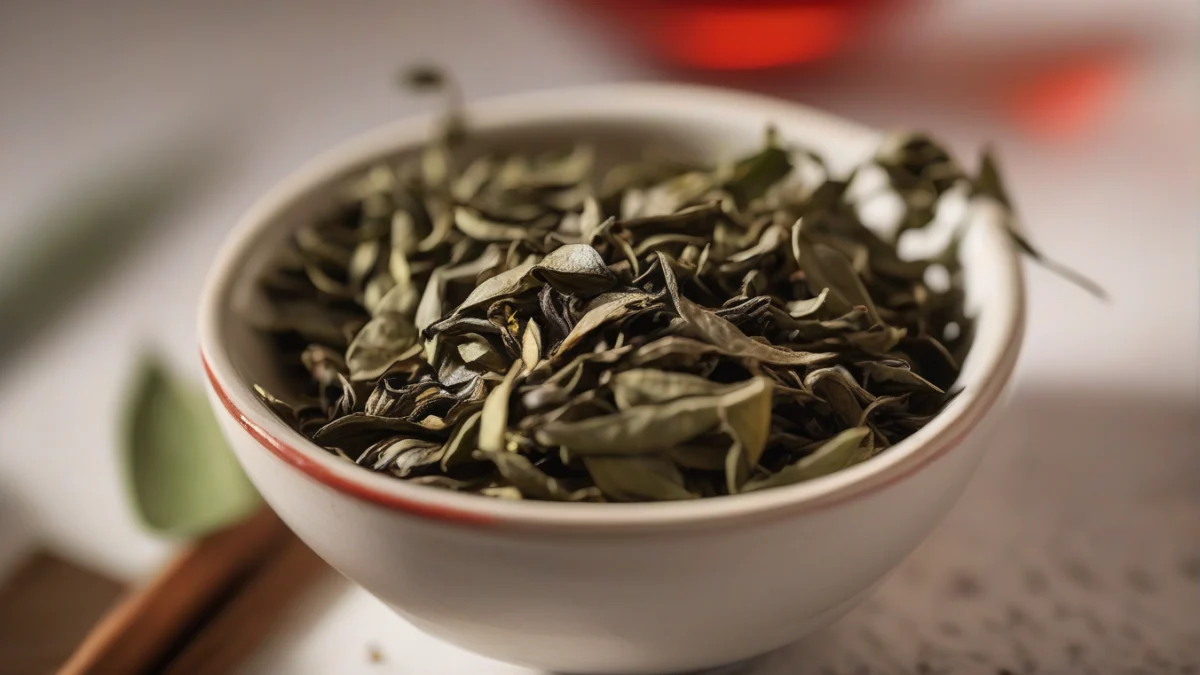
You’ll usually find no added sugar or calories in plain Pinalim tea, making it a low-calorie choice. Some versions or brands may add flavorings or sweeteners, so reading the label is important if you’re watching sugar intake.
Potassium, sodium, and oxalate levels in Pinalim tea are very low and not a concern for most people. These minerals don’t significantly affect the tea’s safety or use unless you have a medical condition requiring restriction.
Caffeine sensitivity varies, so if you’re prone to jitteriness, insomnia, or palpitations, start with half a cup or seek caffeine-free alternatives. Some Pinalim products offer caffeine-free blends that still include beneficial pineapple and flax seed but omit tea leaves.
| Ingredient | Caffeine Content per 8 oz Cup |
|---|---|
| Green Tea | 20-30 mg |
| Red Tea (Rooibos) | 0 mg, naturally caffeine-free |
| White Tea | 15-20 mg |
| Senna Leaf | 0 mg |
| Drink | Caffeine per serving | Servings | Total |
|---|---|---|---|
| 8 oz Pinalim tea (typical) | 20 mg | 1 | 20 mg |
| 8 oz brewed coffee | 95 mg | 1 | 95 mg |
| Total | 115 mg | ||
| Daily caffeine limit for most healthy adults (400 mg) | 29% | ||

People Who Should Avoid or Limit Pinalim Tea Use
Pinalim tea is not safe for everyone. Some people should avoid or limit it because its stimulant laxative effect can cause side effects or worsen health conditions.
Pregnant and breastfeeding women should avoid pinalim tea. Senna leaf, a main ingredient, can stimulate strong bowel movements that might trigger uterine contractions or pass through breast milk, which is unsafe for infants.
People with irritable bowel syndrome (IBS), Crohn’s disease, or ulcerative colitis should steer clear. The tea’s laxative effect can irritate the already sensitive digestive tract and worsen symptoms like cramping and diarrhea.
If you have kidney or heart disease, pinalim tea use can be risky. The laxative action may cause dehydration and electrolyte imbalances, which strain these organs. If you take diuretics, blood pressure, or heart medications, consult your doctor before using it because interactions are possible.
Children should generally avoid pinalim tea. Their digestive systems are more vulnerable to stimulant laxatives, increasing the risk of dependency or harm with daily or long-term use.
 Caffeine & Sugar Drink GuideKnow exactly how much caffeine, sugar and sodium is in 150+ popular drinks, and set daily limits that fit you.Caffeine and sugar in 150+ drinksDaily limits, smart swaps and a cut-back planDaily caffeine and sugar calculator (Excel)
Safer Digestive Support Alternatives to Pinalim Tea
If pinalim tea isn’t right for you, there are gentler options to support digestion and relieve constipation without stimulant laxatives.
Start with hydration and dietary fiber. Drinking enough water and eating fiber-rich foods can ease constipation naturally. Adding herbal teas like strawberry leaf or almond tea can help because they provide mild digestive support without causing cramping.
Non-stimulant teas such as kuding tea offer metabolism support without the laxative effect. Kuding tea is less likely to irritate your digestive tract and is a good choice if you want to avoid stimulant laxatives entirely.
Electrolyte-balanced drinks are also useful when hydration is a concern, especially if you have mild digestive upset. They help replenish minerals and fluids lost through occasional loose stools, supporting overall balance safely.
Side Effects of Pinalim Tea and Safe Consumption Levels
Pinalim tea side effects include cramping, diarrhea, and nausea at typical doses. These symptoms come from senna leaf, which stimulates bowel movements and can irritate the intestines if the dose is too high or the body is sensitive.
Drinking more than 1 cup (8 oz) daily or using pinalim tea for longer than a week raises risks. Prolonged use can cause dehydration because of frequent loose stools and leads to potassium loss, which affects muscle and heart function.
Using pinalim tea daily for weeks or months may cause laxative dependency. Your intestines can become less responsive without the tea, making constipation worse when you stop.
Pinalim tea can interfere with absorption of some medications if taken at the same time. The faster transit through your gut may reduce how much medicine your body absorbs, especially for drugs that need steady uptake.
Avoid taking pinalim tea together with prescription drugs when possible. If you need both, separate doses by at least 1 to 2 hours to reduce interaction risk.
Mild cramping and loose stools usually start within hours of drinking the tea. Effects peak after one or two bowel movements and then ease if you stick to the recommended amount.