How Much Electrolyte Drink Is Safe While Breastfeeding?
On this page 5 sections
Breastfeeding raises your fluid and electrolyte needs as your body supports milk production and recovers from childbirth. Choosing the right electrolyte drink can help you stay hydrated without exposing your baby to excess sugar or caffeine.
Not all electrolyte drinks are created equal. Some have high sugar or caffeine levels that might pass into breast milk, so it’s important to check labels and know safe amounts. This article explains what to watch for and how to pick a safe drink.
Electrolyte Drinks Are Safe to Drink While Breastfeeding
Electrolyte drinks are generally safe during breastfeeding when consumed in moderate amounts, about 8 to 12 oz once or twice daily. These drinks replenish sodium, potassium, and fluids lost through sweating or illness, which are important to maintain hydration and milk production.

Products like Electrolit electrolyte beverages provide essential minerals that help balance fluid levels, but their sugar content varies widely, ranging from about 4 to 15 grams per 8 oz serving. Excessive sugar intake should be avoided because sugar passes into breast milk and can disrupt your baby’s digestion and sleep patterns.
Caffeine content in electrolyte drinks also varies and should be considered carefully. Breastfeeding mothers are advised to limit caffeine intake to about 200 mg per day in total, as caffeine crosses into breast milk and may affect the infant’s sleep and irritability.
Sodium in these drinks supports rehydration, especially if you have been sweating heavily or are ill. However, very high sodium amounts are usually unnecessary for most breastfeeding mothers and can contribute to excessive fluid retention or raise blood pressure.
The typical serving size for an electrolyte drink is 8 to 12 oz, about the size of a small bottle. Drinking more than this regularly could increase intake of sugar, sodium, or caffeine beyond recommended limits, potentially affecting both you and your baby.
Individual health conditions and medications may require different advice. Always follow the guidance of your healthcare provider or lactation consultant, who can tailor recommendations based on your unique situation.
| Nutrient | Role in Breastfeeding | Considerations |
|---|---|---|
| Sodium | Helps replace minerals lost in sweat, supports hydration | Avoid high amounts unless sweating heavily or ill |
| Potassium | Balances fluids and supports muscle function | Usually safe in typical electrolyte drink amounts |
| Sugar | Provides energy but crosses into breast milk | Limit intake to avoid affecting baby’s digestion and sleep |
| Caffeine | Stimulates alertness, passes into breast milk | Keep total daily caffeine under 200 mg |
Electrolit is a well-known electrolyte drink that can be a good choice for breastfeeding moms when consumed within these limits. It offers a balance of electrolytes and moderate sugar content but always check the label for caffeine and added sugars.
People Who Should Limit Electrolyte Drinks While Breastfeeding
Electrolyte drinks can be safe during breastfeeding but certain situations call for caution or avoidance. If you or your baby are sensitive to caffeine, it’s best to limit drinks that contain it. Caffeine passes into breastmilk and might cause irritability or sleep issues in infants.
Moms with gestational diabetes or concerns about blood sugar should closely watch the sugar content in electrolyte drinks. Many commercial options have added sugars that can raise your blood glucose and affect milk quality.
If you have high blood pressure or kidney problems, limiting sodium intake is essential. Some electrolyte beverages contain high sodium levels that could worsen these conditions or strain your kidneys.
When dealing with mastitis or any infections, hydration is important but sugary or caffeinated drinks might irritate your symptoms or disrupt milk supply. Choosing plain water or caffeine-free, low-sugar options is safer during infections.
Electrolyte drinks like Electrolit can be good for replenishing minerals lost from illness or sweating, but their sugar and sodium content means they aren’t suitable for everyone. Check labels carefully and limit intake to avoid excess sugar and salt.
Keep in mind that electrolyte drinks are not made for infants or toddlers and should always be kept out of their reach to prevent accidental ingestion of caffeine, sugar, or additives.

Safer Electrolyte Drink Alternatives for Breastfeeding Moms
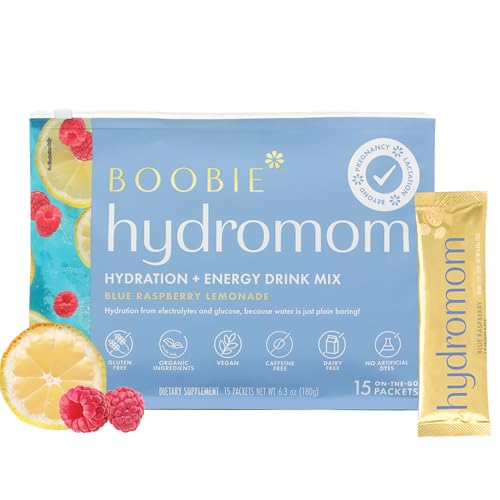
Electrolyte drinks can help with nerve pain or weakness after poor intake, but safer choices matter while breastfeeding. Herbal electrolyte mixes without caffeine and low in sugar, like product 2, offer hydration and gentle support.

Plain water with a pinch of salt and a splash of natural fruit juice can provide mild electrolyte replacement without added sugars or artificial ingredients. This homemade solution is easy and gentle on your system.
Avoid sports drinks high in sugar and artificial additives. These can raise blood sugar and expose your baby to unnecessary chemicals through breastmilk.
Natural foods like bananas, coconut water, and leafy greens supply electrolytes along with vitamins and minerals. Incorporating these into your diet supports hydration and overall nutrition.
For guidance on balancing electrolyte drink intake, see how many electrolyte drinks to drink daily and for tips on breastfeeding-safe juicing, check is juicing safe while breastfeeding expert answers.
Safe Daily Amount of Electrolyte Drinks While Breastfeeding
You can generally drink one to two electrolyte drinks per day while breastfeeding, each about 8 to 12 oz. Most electrolyte powder packs mix into this size, so one or two packets daily is usually safe unless your doctor advises otherwise.
Remember that your normal hydration mostly comes from plain water. Electrolyte drinks are meant to supplement minerals lost through sweat, illness, or dehydration, not replace your daily fluid intake.
| Hydration status | Recommended daily intake |
|---|---|
| Mild dehydration or after light exercise | 8 oz (one drink) once a day |
| Moderate dehydration or illness with fever | 12 oz (one drink) up to twice a day |
| Severe dehydration or illness (doctor supervised) | As directed by your healthcare provider, often more fluids with balanced electrolytes |
Avoid drinking electrolyte drinks in excess. Too much sodium, sugar, or caffeine from these drinks can affect both you and your baby. Check the nutrition label for added sugars and caffeine amounts.
| Drink | Sodium per serving | Servings | Total |
|---|---|---|---|
| 8 oz electrolyte drink | 270 mg | 1 | 270 mg |
| Total | 270 mg | ||
| Daily sodium limit for most adults (2,300 mg) | 12% | ||
