Does Pickle Juice Help With Nausea During Pregnancy? Safe in Small Amounts
On this page 6 sections
Nausea during pregnancy, often called morning sickness, can be uncomfortable and persistent. Many pregnant people look for gentle remedies to ease queasiness, and pickle juice is a popular option due to its tangy flavor and electrolyte content.
Understanding how pickle juice affects nausea and when to use it safely can help you decide if it’s right for you. This article guides you through what to expect and what else you can try if pickle juice isn’t suitable.
Pickle Juice and Nausea Relief During Pregnancy
Pickle juice can help relieve nausea during pregnancy in small amounts, about 1 to 2 tablespoons once or twice a day. It may ease queasiness thanks to its sodium content and acidity, which can stimulate saliva and digestion. However, large amounts risk excess sodium, which can raise blood pressure and cause swelling.
Vinegar in pickle juice may calm nausea by aiding digestion and stabilizing stomach acid, while sodium and potassium support fluid balance, which can ease queasiness. Drinking 1 to 2 ounces of pickle juice when nausea strikes is typically enough to feel relief without adding excessive salt to your diet.

Be cautious with larger amounts since the salt content can raise blood pressure or worsen swelling, and the acidity might irritate your throat or stomach lining. Drinking more than a few ounces at once can trigger heartburn or digestive upset, which could make nausea worse.
If you have concerns about salt intake or acid sensitivity, you might try ginger tea, clear broth, or electrolyte drinks with lower sodium as gentler alternatives during pregnancy.
Pickle juice is also sometimes used for other issues like migraine relief or nerve pain, but its effectiveness for those is less clear and not well studied in pregnancy. If you’re curious about using pickle juice for migraines during pregnancy or for nerve pain, talk to your healthcare provider first.
You can find pickle juice products at Walmart or other local stores, often near condiments or sports drinks. Check the label for added sugars or artificial ingredients, especially if you have gestational diabetes or other dietary concerns.
How Pickle Juice’s Sodium and Acidity Affect Pregnancy Nausea
Pickle juice contains sodium and vinegar, which can help reduce nausea by stimulating saliva and digestive juices. The acidity may soothe the stomach lining and reduce queasiness temporarily. Still, too much sodium during pregnancy can contribute to water retention and high blood pressure, so keep intake small.
The vinegar in pickle juice adds acidity that may soothe nausea by promoting digestion but can also worsen heartburn or acid reflux, common in pregnancy. This acid can irritate an inflamed esophagus or stomach lining, so watch your body’s reaction.
Acidity might help some people by balancing stomach pH and reducing queasiness, but for others, especially with existing reflux, it may increase discomfort.
Daily sodium recommendations in pregnancy generally stay under 2,300 mg, and if you have preeclampsia or hypertension, your doctor may advise a lower limit. It’s best to avoid beverages high in salt like pickle juice if you’ve been told to restrict sodium.
Pickle juice should be refrigerated after opening to maintain quality and prevent spoilage, even if some commercial versions say otherwise. This is important if you use it over several days to avoid bacterial growth.
Pickle juice is sometimes used as a hangover remedy or for migraines outside pregnancy, but these uses aren’t well studied in pregnant people and may not be safe due to salt and acid content.
Avoiding or Limiting Pickle Juice in Pregnancy
Limit pickle juice to about 1 to 2 tablespoons once or twice a day during pregnancy to avoid excess sodium intake. High sodium can worsen swelling and raise blood pressure, which are concerns especially later in pregnancy. If you have hypertension or preeclampsia, avoid pickle juice or consult your doctor first.
Some pregnant people use pickle juice to ease cramps, but its high sodium content means it should be consumed cautiously and not as a primary treatment for cramping.
High blood pressure or preeclampsia calls for strict sodium limits. Pickle juice contains about 300 to 400 mg of sodium per 2-ounce serving, so drinking it frequently can raise blood pressure and increase risks. Your care team will likely advise avoiding or minimizing salty drinks like pickle juice.
Gestational diabetes also requires attention to salt intake. While pickle juice does not contain sugar naturally, some brands add sweeteners that raise blood sugar. Excess sodium might worsen fluid retention, affecting blood sugar control indirectly.
If you have acid reflux or heartburn, the vinegar in pickle juice can irritate your esophagus and stomach lining, making symptoms worse. Avoid acidic drinks if you notice worsening discomfort after drinking pickle juice.
Kidney problems require careful electrolyte management. The sodium and other minerals in pickle juice can disrupt this balance, so it’s usually best to limit or skip it if your doctor has flagged kidney concerns.
Always follow your care team’s advice on diet and fluid intake. They know your full medical history and can guide you on whether pickle juice fits safely into your pregnancy plan.
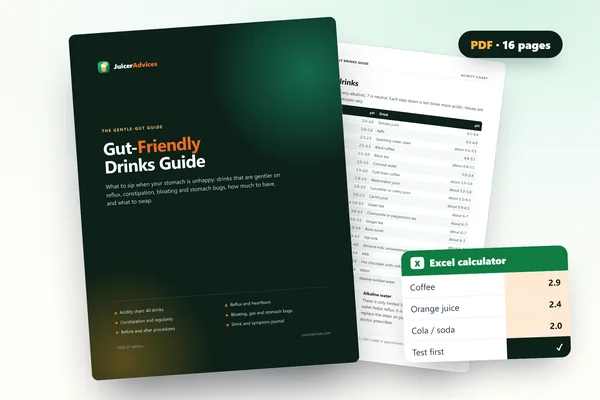 Gut-Friendly Drinks GuideDrinks that are gentler on reflux, constipation and a sensitive stomach: what to sip, how much, and what to swap.Acidity chart for 40 common drinksDrinks for reflux, constipation, bloating and stomach bugsDrink and symptom tracker (Excel)
Safer Drinks and Remedies for Nausea During Pregnancy
Ginger tea is a well-tolerated remedy for nausea during pregnancy. Compounds in ginger like gingerol help calm the stomach lining and reduce nausea without adding sodium or acidity.
Cold snacks such as frozen fruit pops or chilled cucumber slices can ease nausea by soothing the mouth and stomach. Hydrating smoothies made from mild fruits and vegetables also provide fluids and nutrients gently.
Mild fruit juices like apple juice are often easier on the stomach than acidic or salty drinks. Apple juice’s natural sugars and gentle flavor can help settle nausea when sipped slowly.
| Drink | Why It Helps | Limitations |
|---|---|---|
| Ginger Tea | Contains natural anti-nausea compounds | Avoid added sugar or caffeine |
| Apple Juice | Mild flavor and natural sugars soothe stomach | Choose no-sugar-added versions |
| Hydrating Smoothies | Provide fluids and nutrients with gentle ingredients | Avoid high-fat or very sweet blends |
| Carbonated Drinks | May reduce nausea by relieving stomach pressure | Avoid sugary sodas; opt for plain sparkling water or tonic |
Carbonated drinks like tonic water may relieve nausea by easing stomach pressure and burping. Some people find tonic water helpful, but watch for added sugars or quinine, which can be problematic in excess.
Avoid drinks with added sugars and caffeine, as they can worsen nausea or cause dehydration. Stick to clear, plain or mildly flavored fluids to support hydration and comfort.
For more drink ideas that soothe nausea safely, see Are Smoothies Good for Nausea? Relief Recipes & Tips and Apple Juice For Nausea: A Natural Remedy Backed by Science.
Drinks and Ingredients That Can Make Pregnancy Nausea Worse
Pickle juice in tennis is a quick remedy players use to relieve muscle cramps, thanks to its electrolytes, but that doesn’t mean you should reuse pickle juice for nausea—it’s best to use fresh juice because reused juice can harbor bacteria and lose its effectiveness.
Carbonation sometimes helps nausea because the bubbles can ease stomach discomfort and promote burping, which reduces pressure. However, carbonation can also irritate the stomach lining and worsen nausea for some pregnant people.
High sugar sodas and energy drinks often make nausea worse during pregnancy. Their excess sugar can upset your stomach and cause a rapid spike and drop in blood sugar, which can trigger nausea.
Caffeinated beverages like coffee, black tea, and some sodas can aggravate nausea too. Caffeine stimulates acid production and may make your stomach feel more queasy, especially if consumed in larger amounts than about 200 mg per day during pregnancy.
Highly acidic fruit juices such as orange, grapefruit, and pineapple juice can worsen nausea by irritating your sensitive stomach and esophagus. The acidity can heighten discomfort and heartburn symptoms.
Alcohol and herbal teas with unknown safety profiles are best avoided during pregnancy. Alcohol is unsafe, and some herbal teas may contain compounds that have not been studied enough to confirm their safety for you and your baby.