You feel that first scratch. By lunch, every swallow reminds you it’s there. The internet says lemon juice works, but so does your aunt’s salt water gargle, and the spray from the pharmacy. Which one actually does something?
Most advice on lemon for sore throats is vague. “Sip warm lemon water.” But nobody explains why it works, when it fails, or how to avoid making things worse. That’s what this guide covers. You’ll learn the chemical reality behind lemon’s effect on throat tissue, the difference between viral and bacterial infections, and a specific recipe that beats plain lemon water. You’ll also get a realistic timeline for relief and a head-to-head comparison with other common remedies.
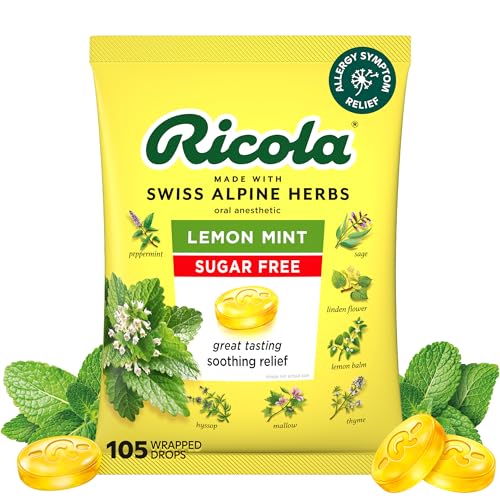
Ricola
Ricola Sugar Free Lemon Mint Herbal Throat…
- LOW MENTHOL, EVERYDAY COMFORT: Ricola Sugar Free Lemon Mint throat drops, with 1.1 mg of menthol for everyday voice care and throa…
- CALM THE AHEMMM: When scratchiness & mild throat irritation strike, those “ahemmm” moments can disrupt meetings, live performances…
- RICOLA THROAT DROPS: Our throat lozenges have been trusted for coughs and sore throats from colds for over 80 years. Ricola is the…
If you want a convenient backup for when you’re out and about, the Ricola Sugar Free Lemon Mint Throat Drops deliver a steady dose of menthol and Swiss alpine herbs. They’re a solid option for everyday scratchiness, especially when you can’t mix a fresh drink at your desk.

The Short Answer: Does Lemon Juice Actually Work?
Yes, but with conditions. Lemon juice helps a sore throat when it’s diluted, warm, and paired with honey. It fails when you drink it straight, use it cold, or expect it to kill bacteria. The effect is mostly about symptom relief, not curing an infection.
Lemon’s benefits come from three things: vitamin C, citric acid, and its effect on mucus. Vitamin C supports your immune system, but it won’t stop a cold overnight. The acid does something more immediate—it changes how mucus behaves in your throat. That’s the part most home remedies ignore.
So the honest verdict is: lemon juice is a useful tool, not a miracle cure. It works best for mild, scratchy throats from dry air, talking too much, or the early stages of a cold. For severe pain, fever, or suspected strep throat, you need medical attention, not a citrus drink.
One more thing to know up front: lemon juice does not have antibacterial properties strong enough to fight a throat infection. Some studies show citric acid can inhibit certain bacteria in a lab, but your stomach acid and the dilution in a drink make that irrelevant in practice.
The Science: Why Lemon Might Soothe (or Irritate) Your Throat
Lemon juice sits at a pH around 2, which makes it highly acidic. Your throat tissue has a natural pH closer to 7. When you introduce something at pH 2, you’re creating a chemical imbalance. That’s the double-edged sword of lemon.
The Acidity Problem: Why It Can Burn
Drink lemon juice straight and you’ll feel a sharp sting. That’s the acid irritating already-inflamed tissue. Sore throats involve swollen, sensitive mucous membranes. Adding a strong acid to that area is like pouring salt on a paper cut—it can make the burning worse before it gets better.
The fix is dilution. Mixing one tablespoon of lemon juice into 8 ounces of water brings the pH up to around 4 or 5. That’s much closer to what your throat can handle comfortably. The acid still does its job on mucus, but it won’t cause additional tissue damage.
If you have acid reflux, skip lemon entirely. The acid can relax the lower esophageal sphincter, which lets stomach acid creep up and make your sore throat worse. That’s a common hidden cause of chronic throat pain that people mistake for a cold.
The Mucus Factor: How Citric Acid Affects Phlegm
Here’s where lemon actually earns its reputation. Citric acid breaks down the protein structure of mucus. Thick, sticky phlegm becomes thinner and easier to swallow. That’s why lemon water can feel like it’s clearing your throat—it literally is.
Thinner mucus also means less post-nasal drip irritating your throat overnight. If your sore throat comes with a runny nose or congestion, lemon can help reduce the drip that makes morning swallowing painful.
Warm liquid adds another layer. Heat helps relax the muscles around your throat and increases blood flow to the area, which can reduce the sensation of pain. Cold lemon water doesn’t do this. It might feel refreshing, but it won’t loosen mucus the same way.
For a deeper look at how lemon juice behaves outside your body, check out lemon juice reactions—it’s more reactive than most people realize.
Viral vs. Bacterial: When Lemon Helps and When It’s Useless
Most sore throats are viral. The common cold, flu, and COVID-19 all cause throat inflammation as your immune system fights the virus. Lemon helps here because it’s purely symptomatic—it thins mucus and provides a soothing sensation while your body does the real work.
Bacterial infections like strep throat are different. Strep causes severe pain, white patches on your tonsils, and often a fever. Lemon juice does nothing for the bacteria themselves. You need antibiotics for strep. Drinking lemon water might provide minor comfort, but it can also delay you from seeing a doctor if you mistake the relief for improvement.
Here’s the key difference: viral sore throats usually come with a cough, runny nose, or congestion. Bacterial ones are more localized—intense throat pain without much nasal involvement. If your throat hurts so much that swallowing saliva is difficult, or you see white spots, skip the home remedies and get tested.
Lemon also won’t help if your sore throat comes from dry air, allergies, or vocal strain. Those have no infection to fight. But the mucus-thinning effect still provides relief, which is why lemon water remains a popular choice across all these causes.
The Best Way to Use Lemon (And the Worst)
How you prepare lemon matters more than whether you use it. The right recipe can turn a mildly helpful drink into something that genuinely calms your throat. The wrong approach can leave you with a chemical burn and a worse sore throat.
The Golden Ratio: Lemon, Water, and Honey
Start with 8 ounces of warm water—not boiling, just warm enough to feel soothing. Add one tablespoon of fresh lemon juice. Then stir in one to two teaspoons of honey. Honey coats the throat and has mild antimicrobial properties. It also balances the sourness of the lemon.
This combination works because each ingredient does something different. The lemon thins mucus. The honey forms a protective layer over irritated tissue. The warm water carries both and adds heat. Drink it slowly, taking small sips, and you’ll feel the difference within a few minutes.
If you want to know whether fresh or bottled lemon makes a difference, fresh vs frozen lemon juice is worth a read. Fresh lemons have more active enzymes, but bottled juice still contains citric acid that works on mucus.
Why You Should Never Drink It Straight
Straight lemon juice is a mistake. At pH 2, it can actually cause chemical burns on already-inflamed tissue. You might feel a brief numbing sensation, but that’s the acid damaging surface cells. The pain comes back worse within an hour.
It also erodes tooth enamel. The acid in lemon juice is strong enough to soften the enamel surface, and repeated exposure leads to permanent damage. If you’re sipping lemon water all day, use a straw to minimize contact with your teeth.
One more thing to avoid: adding lemon to boiling water. Heat destroys some of the vitamin C and makes the drink harsh on your throat. Let the water cool to a comfortable drinking temperature first.
How Fast Does It Work? A Realistic Timeline
You’ll feel the soothing effect of warm lemon honey water almost immediately—within 30 seconds of the first sip. That’s a physical sensation from the warmth and coating. The mucus-thinning effect takes a bit longer, usually 5 to 10 minutes as the citric acid works through the phlegm in your throat.
For a single dose, expect relief to last about 30 to 45 minutes. That’s why you need to drink it multiple times a day. Most people find 3 to 4 cups spread throughout the day keeps symptoms manageable. Drinking more than that doesn’t speed up healing—it just increases acid exposure.
Over a full day, you should notice your throat feeling less raw and swallowing becoming easier. If you’re on day three of lemon water with no improvement, or the pain is getting worse, stop relying on home remedies. See a doctor if you have a fever above 101°F, difficulty breathing, or swollen glands in your neck.
Lemon vs. Other Remedies: Salt Water, OTC Sprays, and Lozenges
Not all sore throat remedies work the same way. Here’s a quick comparison table to help you choose based on your symptoms.
| Remedy | How It Works | Best For | Limitations |
|---|---|---|---|
| Warm lemon water with honey | Thins mucus, coats tissue, adds warmth | Viral colds, dry throat, vocal strain | Doesn’t kill bacteria; acid can irritate if too concentrated |
| Salt water gargle | Draws fluid out of swollen tissue, reduces inflammation | Mild pain, post-nasal drip | Tastes unpleasant; can raise blood pressure if swallowed |
| OTC throat spray (benzocaine) | Numbs nerve endings locally | Severe pain, before eating or sleeping | Temporary relief only; can cause allergic reactions in rare cases |
| Menthol lozenges | Cooling sensation distracts from pain, stimulates saliva | Everyday scratchiness, dry mouth | Low menthol doses are mild; high doses can cause heartburn |
| Cold liquids | Numb tissue temporarily | Immediate pain relief | Doesn’t thin mucus; effect fades quickly |
Salt water is the closest competitor to lemon. It works by osmosis—the salt draws excess fluid out of swollen throat tissue, reducing inflammation. Some people find it more effective than lemon for pain, but it does nothing for mucus. That’s why the two make a good team: gargle with salt water for inflammation, then sip lemon honey water for mucus and comfort.
Menthol lozenges like the Ricola drops mentioned earlier work on a different pathway. The menthol activates cold-sensitive receptors in your throat, creating a cooling sensation that masks pain. They’re not better or worse than lemon—they’re just faster and more portable. Keep a bag in your car for when you can’t make a fresh drink.
Safety, Side Effects, and Medication Interactions
Lemon juice is generally safe, but it’s not risk-free. The biggest concerns are tooth enamel erosion, acid reflux flare-ups, and interactions with certain medications.
If you take blood pressure medication, especially ACE inhibitors, be careful with large amounts of lemon. Lemon can interfere with how your body processes these drugs, potentially reducing their effectiveness. A single cup of lemon water is fine, but don’t make it a daily habit without asking your doctor.
For people on blood thinners like warfarin, vitamin C in lemon can slightly increase the risk of bleeding. Again, normal amounts are fine, but heavy consumption—like drinking lemon water all day every day—warrants a conversation with your healthcare provider.
Children under one year old should never have honey due to botulism risk. For kids over one, lemon honey water is safe, but use half the lemon amount and make sure it’s well diluted. Also, watch for any signs of allergic reaction, which are rare but possible with citrus.
If you have a citrus allergy, obviously skip lemon. More common is acid reflux, where lemon can trigger heartburn and actually worsen throat pain. If you notice your throat feels worse after drinking lemon, that’s likely the cause.
Final Verdict: Should You Try It?
Lemon juice deserves its place in the home remedy toolkit, but it’s not a cure-all. Here’s the bottom line:
- Use it for mild, scratchy throats from colds, dry air, or talking too much. It genuinely helps.
- Always dilute it. One tablespoon of lemon per 8 ounces of warm water is the sweet spot.
- Pair it with honey. The coating effect is what makes the drink soothing, not the lemon alone.
- Skip it if you have acid reflux, a citrus allergy, or are on certain blood pressure medications.
- Don’t expect it to cure strep or any bacterial infection. See a doctor for severe pain, fever, or white spots on your tonsils.
- Expect relief within minutes, but know it only lasts 30 to 45 minutes per cup. Plan to drink it several times a day.
- If you need something portable, menthol lozenges offer similar relief without the prep time.
Lemon water won’t shorten your cold. It won’t kill bacteria. But it will make the next few days more bearable, and sometimes that’s exactly what you need.
Frequently Asked Questions
Can I drink lemon juice straight for a sore throat?
No. Straight lemon juice has a pH around 2, which is acidic enough to burn already-inflamed throat tissue and erode tooth enamel. Always dilute it with water—one tablespoon per 8 ounces is the standard ratio.
Is warm or cold lemon water better for a sore throat?
Warm is better. Heat helps relax throat muscles, increases blood flow, and makes the mucus-thinning effect of citric acid more noticeable. Cold lemon water might numb the area briefly, but it doesn’t help with phlegm and can make congestion worse.
How many times a day should I drink lemon water for a sore throat?
Three to four cups spread throughout the day is a reasonable maximum. Each cup provides relief for about 30 to 45 minutes. Drinking more doesn’t speed up recovery and increases acid exposure to your teeth and stomach.
Does lemon juice help strep throat?
No. Strep is a bacterial infection that requires antibiotics. Lemon juice might provide minor symptom relief, but it doesn’t fight the bacteria. If you suspect strep—severe pain, fever, white patches on tonsils—see a doctor rather than relying on home remedies.
Can lemon juice make a sore throat worse?
Yes, in two scenarios. If you drink it undiluted, the acid can irritate the throat further. If you have acid reflux, lemon can relax the esophageal sphincter and trigger stomach acid to rise, making throat pain worse. If you notice your throat feels worse after lemon, stop using it.


