Fresh vs Frozen Lemon Juice: Which is Better?
On this page 5 sections
I stood in my kitchen, a lemon in one hand and a frozen cube of lemon juice in the other. Id always been a fresh-squeezed purist, convinced that anything else was a culinary compromise. But a half-empty bottle of concentrate in my freezer and a nagging curiosity made me wonder: was I being a snob for no reason? This wasn’t just about lemonade. It was about every dressing, every pan sauce, every brightening splash in my cooking. So, I decided to put them to the test. Side by side. For this project, having the right tool was key. I used my trusty Check price on Amazon lemon squeezerit gets every last drop without the seeds, which is crucial for a fair comparison between fresh and frozen.
What followed was a week of squeezing, tasting, cooking, and even a little bit of nerdy research. I compared the zing of fresh juice against the convenience of frozen, pitted homemade lemon juice against long life lemon juice from the store. Heres my honest, hands-on breakdown of fresh lemon juice versus frozen.

My Hands-On Taste Test: Fresh vs. Frozen
I started with the most immediate factor: the flavor. I squeezed a fresh lemon and thawed an equivalent amount of my own frozen juice (poured into an ice cube tray weeks prior). The difference hit me immediately.
The fresh-squeezed aroma was unmistakable. It was bright, complex, and filled the room with that citrusy spark. The taste was vibrant and layereda perfect balance of tart and subtle sweetness with a floral note. The frozen juice? It smelled fine, but muted. The aroma was mostly just… sour. The taste was one-dimensional. It delivered the expected acidity but lacked that flavor brightness and aromatic punch. It was like listening to a song with the treble turned down.
I repeated this with a store-bought frozen lemon juice concentrate (think brands like Realemon). The result was even more pronounced. The flavor was flat, with a slightly cooked or processed aftertaste that I couldn’t ignore. For a quick lemon water, it’s passable. But for anything where lemon is the stara vinaigrette, a finishing drizzle on fishfresh won hands down. The soul of the lemon, those volatile oils in the peel that get captured when you squeeze, just doesn’t survive the freezing process intact.
The Texture & “Other Stuff” That Matters
This is where competitors often miss key points. It’s not just juice. It’s about what’s in the juice.
- Pulp & Oils: Fresh-squeezed juice has tiny bits of pulp and those precious essential oils. These are flavor carriers. In my tests, they made dressings cling better to greens and gave sauces a more rounded mouthfeel. Frozen juice, especially concentrate, is often filtered smooth. This impacts texture.
- Effect on Emulsification: I made two batches of mayonnaise. The fresh juice created a noticeably more stable, creamy emulsion. The frozen juice version was good, but it seemed to “weep” slightly faster. I suspect the natural enzymes and pectin in fresh juice play a role here.
- Impact on Pectin: For a small batch marmalade, this is huge. The fresh juice, with its natural pectin content, helped my jam set beautifully. When I tried with bottled lemon juice, the set was weaker. If you’re into preserving, this is a major consideration.
The Nutrient Showdown: What the Science Says
Okay, fresh tastes better. But what about the health angle? Is frozen lemon juice just empty sour liquid? I dug into the science of citrus juice preservation.
The big question: does freezing lemon juice destroy nutrients? The short answer is: not really. Freezing is one of the best preservation methods. Vitamin C degradation happens primarily through exposure to heat, light, and air. A study on vitamin C stability in frozen foods confirms that freezing retains a high percentage of ascorbic acid. My take? The vitamin C content in properly frozen homemade juice is nearly as good as fresh.
The catch comes with commercial products. Lemon juice from concentrate is often pasteurized (heated), which can degrade some vitamin C and antioxidants before it’s even frozen. So, the most nutritious frozen option is likely the one you make yourself. If you’re curious about how bottled juice stacks up, I explored this in detail in my piece on the benefits of bottled versus fresh lemon juice.
Convenience & Practicality in My Kitchen
This is where frozen juice starts to fight back. Let’s be real: life gets busy.
Fresh lemons are perishable. They dry out, they mold, they roll to the back of the fridge and become sad, rubbery orbs. When you need a tablespoon for a recipe, you have to cut and squeeze a whole lemon. It’s a commitment. Frozen juice, whether homemade cubes or a tube of concentrate, offers shelf-stable convenience. It’s there for months. Need a splash at 10 PM for a recipe? It’s ready.
I created a simple table to visualize the trade-offs:
| Factor | Fresh Lemon Juice | Frozen Lemon Juice |
| Peak Flavor | Superior. Vibrant, aromatic. | Good to Fair. Often muted. |
| Nutrient Retention | Maximum. | High (if homemade). |
| Shelf Life | Days (in fridge). | Months (in freezer). |
| Prep Time | Minutes per use. | Seconds (once frozen). |
| Cost Per Ounce | Higher (waste potential). | Generally lower. |
The convenience is undeniable. And if you want to harness it, freezing your own is the way to go. I wrote a whole guide on the proper way to freeze fresh lemon juice to lock in the most flavor.
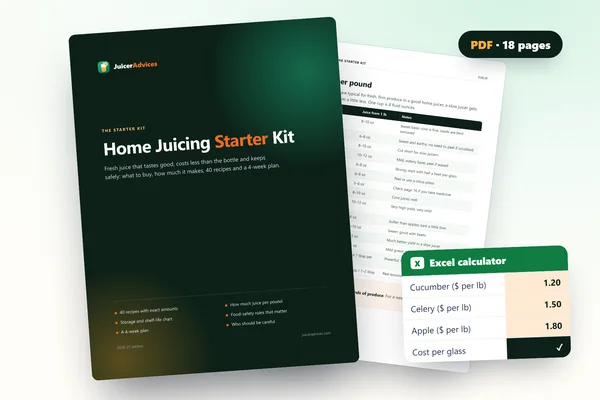 Home Juicing Starter KitMake fresh juice that tastes good, costs less and keeps safely: 40 recipes with exact amounts, a yield chart and a 4-week plan.40 juice, smoothie and shot recipesYield, storage and food-safety chartsCost, yield and shopping-list calculator (Excel)
My Go-To Uses for Each Type
After my testing week, I developed a new system. I stopped seeing them as rivals and started using them as teammates for different jobs.
When I Reach for Fresh-Squeezed Lemon Juice
- Finishing Touch: Drizzled over cooked fish, grilled vegetables, or a finished soup. That last-second aroma is everything.
- Salad Dressings & Vinaigrettes: Where the lemon is a co-star, not just background acidity.
- Cocktails & Mocktails: A fresh gimlet or lemon drop martini is a different universe from one made with concentrate.
- When Lemon is the Main Flavor: Like in a lemon curd, tart lemon bar filling, or a delicate lemon butter sauce.
When I Grab the Frozen Stuff
- Marinades & Brines: The subtle flavor notes are less critical here; the acidity does the heavy lifting.
- Baking: In muffins, cakes, or breads where other strong flavors (like blueberry or poppyseed) dominate.
- Quick Weeknight Deglazing: A cube melted in a pan to lift fond for a simple sauce. Fast and effective.
- Lemon Water Habit: A cube in my morning water is easier than squeezing daily. The health benefit is largely preserved.
This approach answered the long-tail question for me: what is the best lemon juice for cooking and baking? It depends entirely on the dish.
Final Verdict: Which One Wins in My Home?
So, is frozen lemon juice as good as fresh? For pure, unadulterated flavor and culinary magic, no. Fresh wins. The experience is simply superior.
But for practicality, cost-effectiveness, and reducing waste, frozen is a brilliant tool. The winner in my kitchen isn’t one or the other. It’s both.
I now keep a bag of homemade lemon juice cubes in my freezer at all times. They’re my reliable backup, my weeknight workhorse. But I always have a bowl of fresh lemons on the counter, too. For those moments when a dish deserves that spark of life, that fresh-squeezed aroma, I make the small effort to squeeze one fresh.
Don’t let purism stop you from using frozen juice. And don’t let convenience completely replace the real thing. Understand the strengths of each. Use fresh for finishing and starring roles. Use frozen for the background work and as a brilliant preservation hack. That’s the balanced, honest approach that actually works in a real kitchen.