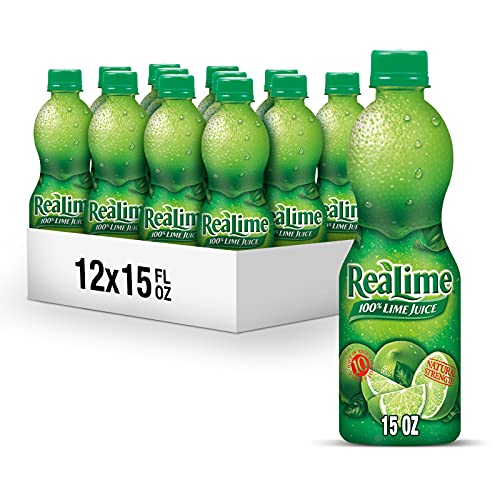
Does Lime Juice Repel Ants
On this page 5 sections
If you have spotted a trail of ants marching across your kitchen counter, you have probably wondered if a quick squeeze of lime could stop them in their tracks. The short answer is yes—lime juice can disrupt ant trails and act as a temporary deterrent. You won’t necessarily kill the colony with it, but you can absolutely change their behavior using the natural compounds found in the fruit.
What’s in Lime Juice That Might Repel Ants?
You are not just dealing with sour water when you cut into a lime. The repellent power comes from two core components: citric acid and d-limonene. These substances attack the ant’s ability to navigate and survive.

d-limonene is a major compound found in the peel and juice of citrus fruits. It acts as a natural insecticide by dissolving the waxy coating on an ant’s exoskeleton, leading to dehydration and asphyxiation. Meanwhile, the high level of citric acid obliterates the pheromone scent trails ants leave behind for their nestmates. Without those chemical breadcrumbs, the organized line falls apart.
Why Scent Trails Matter
Ants rely almost entirely on pheromones to find food. When you spray a lime juice ant repellent, you aren’t just making the area smell fresh to you; you are effectively blinding their chemical GPS. A confused scout ant cannot lead the rest of the workers to the spilled sugar on your counter.
How to Use Lime Juice as an Ant Repellent
Application is straightforward, but consistency is key to making a homemade ant spray effective. You have a few options depending on whether you are dealing with a surface spray or a barrier.
Option 1: Direct Squeeze
Cut a fresh lime in half and rub it directly along windowsills, baseboards, and entry points. This leaves a heavy concentration of oil and acid. It works for small, localized issues but can leave a sticky residue.
Option 2: Lime Juice Spray
Mix one part pure lime juice with one part water in a spray bottle. Add a drop or two of natural dish soap to help the solution stick to surfaces. Shake well and spray directly on ants and along their trails. Wipe away dead ants and reapply daily.
Option 3: Peels as Barriers
Don’t throw away the peel. The white pith holds a significant amount of d-limonene. Place fresh peels near pantry doors or in cabinets until they dry out, then replace them.
Targeting Specific Entry Points
- Soak a cotton ball with undiluted lime juice and stuff it into small cracks where ants enter.
- Apply the spray at night when ants are less active to give the acid time to destroy trails before morning foraging begins.
- Focus on plumbing under the sink, as moisture attracts sugar ants and allows the spray to sit longer without evaporating.
Does Science Support Lime Juice for Ant Control?
The internet loves a citrus ants repellent recipe, but you should know what the data actually says. Lime essential oil and d-limonene are widely studied for their insecticidal properties.
A published scientific review on citrus-based pest deterrents confirms the toxicity of d-limonene against various insects. It works primarily as a contact poison. However, the concentration of d-limonene in a typical squeeze of fresh juice is much lower than you would find in a commercial cold-pressed lime essential oil.
This means does lime kill ants is a trickier question. Yes, direct contact with enough juice can kill an individual ant, but your homemade spray is more of a “relocation tool.” You rarely achieve the saturation needed to kill an entire trail instantly, but the fresh juice is still excellent at breaking the communication cycle.
Fresh Juice vs. Bottled Concentrate
| Feature | Fresh Lime Juice | Bottled Lime Juice |
|---|---|---|
| D-limonene Content | High (from rind oils) | Lower (often filtered) |
| Acidity | Varies by fruit | Consistent (pH ~2.3) |
| Residue | Sticky, short shelf life | Lighter, contains preservatives |
If you are planning a serious lime juice pest control routine, start with a high-quality cold-pressed product like Mighty Mint Peppermint. While it’s a peppermint formula, Mighty Mint uses a similar mode of action—disrupting scent trails and melting exoskeletons—and often proves more reliable than citrus alone for stubborn trails. You can even alternate between a DIY ant repellent spray from limes and this ready-made solution for stronger results.
Limitations and Safety Considerations
You need to apply lime juice for ants with realistic expectations. It is not a colony-killing poison, and it comes with a few household risks.
- Surface Damage: Citric acid etches natural stone like granite and marble. Wipe the spray off these surfaces after 10 minutes or avoid them entirely.
- Sticky Attraction: If you overspray and don’t wipe the residue, the sugars in lime juice can eventually attract other pests like fruit flies once the acid evaporates.
- Pets: Is lime juice safe for pets as ant repellent? Fresh lime juice is generally non-toxic to cats and dogs in small amounts, but the peel oils (where d-limonene concentrates) can be toxic to cats. Keep peels out of reach and wipe paws if they walk through a sprayed area.
- Plant Sensitivity: Do not spray lime juice directly on houseplant leaves to kill ants nesting in the soil. The acidity burns foliage.
Understanding Ant Species
How effective is lime juice against ants depends entirely on what kind of ant you’re fighting. Small black sugar ants (odorous house ants) are the most likely to retreat from a citric acid ants spray because they rely heavily on foraging trails. Carpenter ants, who tunnel into wood, are less impressed by surface sprays. You might kill the scouts, but the satellite nest inside your wall will just send out new ones.
Natural Alternatives to Lime Juice for Ant Control
If you’re out of limes or the smell isn’t your favorite, you can pivot to other natural ant deterrent methods that follow the same principles.
- Vinegar Solution: Same trail-destroying acid concept, no sticky sugar residue.
- Cinnamon or Clove Essential Oil: These overwhelm the ant’s scent receptors entirely.
- Diatomaceous Earth (Food Grade): A fine powder that physically dehydrates ants over time rather than repelling instantly.
- Boiling Water and Soap: The only true natural way to wipe out a colony, but only useful for known outdoor mounds.
While you are using kitchen ingredients for practical fixes, it’s worth noting how versatile lime juice can be—just as it breaks down proteins in food, it acts aggressively on insects. In fact, that same acidic reaction has culinary benefits too, like when you use citrus to chemically “cook” raw seafood. Curious how that process works? Read our guide on how lime juice effectively cooks shrimp.
Stopping Ants Before They Start
Liquid sprays are reactive. To truly use a lime juice ant repellent strategy, you must pair it with prevention. Seal dry goods in airtight containers. Fix leaky pipes under the sink. Rub a halved lime across exterior door thresholds once a week as a preventative barrier before ants even start scouting.
If you prefer to stick with edible solutions, know that many of the compounds that deter pests also provide health benefits for you. For instance, lime’s chemical profile helps balance intense flavors, which is exactly why we reach for it alongside a spicy plate of food. Check out our breakdown of how lime juice helps neutralize spicy food to see the chemistry in action.
Ultimately, think of lime juice like an eviction notice, not a poison. You can successfully spray lime juice to get rid of ants on your counter today, but you will need to repeat the process and secure the food source to keep them gone tomorrow. The juice is a fantastic, non-toxic tool in your cleaning kit, blending natural ant repellent power with the fresh scent you can feel good about in a kitchen where food is prepared and pets roam.