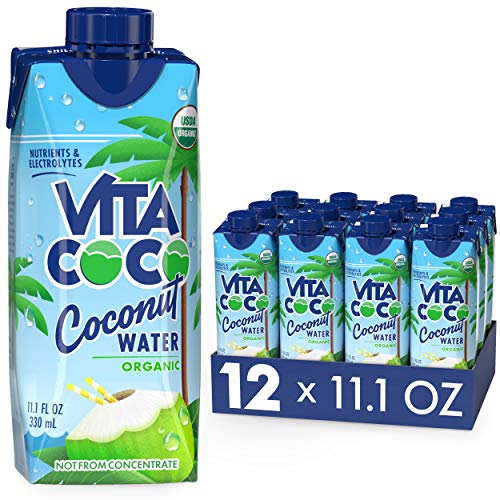
If you’re curled up with a heating pad and searching for natural options, you might wonder if your favorite post-workout drink can help. The short answer is yes—coconut water may offer real relief for period cramps through targeted nutrition. But it’s not a magic cure. Let’s look at exactly how it works, what the science shows, and where it fits alongside other cramp remedies.
What Are Period Cramps?
Menstrual cramps, medically called dysmenorrhea, are throbbing or cramping pains in your lower abdomen. They happen when your uterus contracts to shed its lining. These contractions are triggered by hormone-like chemicals called prostaglandins. Higher levels of prostaglandins cause more intense contractions, which temporarily cut off oxygen to the uterine muscle and create that familiar, sharp pain.
It’s helpful to know the distinction between primary dysmenorrhea and secondary dysmenorrhea. Primary dysmenorrhea is the common cramping pattern from normal menstrual chemistry. Secondary dysmenorrhea stems from an underlying condition, like endometriosis or fibroids. Natural dietary tweaks, including using coconut water, tend to work best for primary cramps.
💡 Recommended Product:
If you’re looking for quality equipment for this project, consider the
Organic Amish Leg
available on Amazon. It’s a popular choice among professionals and DIY enthusiasts alike.
While standard treatments like NSAIDs (ibuprofen, naproxen) directly block prostaglandin production, many people look for complementary natural remedies for period pain to reduce their reliance on medication. That’s where strategic hydration and key nutrients come into play. We’ve also explored other options in detail, such as whether pickle juice is effective for period cramp relief, which tackles the cramping mechanism from a different angle.
Nutritional Profile of Coconut Water
Before connecting coconut water to cramp relief, you need to understand what’s actually in it. Unlike plain water or sugary sports drinks, natural coconut water delivers a specific blend of electrolytes that are directly involved in muscle function.
| Nutrient (per 1 cup, unsweetened) | Approximate Amount | Function Relevant to Cramps |
|---|---|---|
| Potassium | 600 mg (13% DV) | Regulates muscle contractions and nerve signals |
| Magnesium | 60 mg (14% DV) | Promotes muscle relaxation and reduces tension |
| Calcium | 58 mg (4% DV) | Supports smooth muscle function |
| Sodium | 252 mg | Maintains fluid balance and hydration status |
| Carbohydrates | 9 grams | Quick energy source without a heavy sugar load |
This coconut water nutrition profile is exactly why the drink surfaces so often in conversations about does coconut water help cramps. The combination of potassium, magnesium, and fluid creates a three-pronged approach to easing uterine muscle tension.
How Coconut Water May Alleviate Menstrual Cramps
The relief mechanism isn’t a single pathway. Three separate factors work together when you drink coconut water for menstrual cramps.
Potassium and Muscle Contractions
Your uterus is a muscle. Like any muscle, it relies on a precise balance of potassium and sodium to contract and relax properly. When potassium levels dip—common during heavy periods or if you’re not eating enough potassium-rich foods—muscle cells can become hyper-excitable. That means more intense, prolonged cramping.
Potassium for menstrual cramps works by helping the uterine muscle return to a resting state after each contraction. A single cup of coconut water packs about as much potassium as a small banana, making it a practical, easily absorbed source.
Magnesium’s Relaxation Effect
While potassium manages the contraction cycle, magnesium actively calms things down. Magnesium blocks calcium from flooding into muscle cells, which is the chemical signal that tells muscles to squeeze. Less calcium influx means softer, shorter contractions.
Research into coconut water magnesium cramps shows this electrolyte directly addresses the tension component of period pain. A magnesium deficiency can make standard cramp intensity feel much worse. Sipping coconut water throughout your cycle helps maintain steady magnesium levels, particularly during the luteal phase when PMS symptoms begin and magnesium needs increase.
Hydration and Blood Flow
Dehydration thickens your blood slightly and reduces overall blood volume. For someone already experiencing uterine muscle oxygen deprivation from strong contractions, poor hydration compounds the problem. Proper fluid intake keeps blood moving freely, delivering oxygen to cramping muscles and flushing out inflammatory byproducts.
The link between hydration and menstrual pain is straightforward: when you’re well-hydrated, your body handles the inflammatory response to prostaglandins more efficiently. Coconut water offers an advantage over plain water here because the electrolyte content helps you retain the fluid rather than simply passing it. This makes it an superior electrolyte drink for cramps during your period.
If you’re exploring multiple natural routes for comfort, you might also want to look at how pickle juice compares as a menstrual cramp remedy. The mechanism is slightly different—focusing more on rapid sodium intake and muscle reflex interruption—but the hydration angle overlaps.
What the Science Says About Coconut Water and Cramps
Let’s be direct about the evidence level. No large-scale, double-blind clinical trial has been published testing coconut water and dysmenorrhea specifically. The existing support draws from established nutritional science and smaller studies on the individual components.
A recent review in Current Pain and Headache Reports on nutrition and menstrual pain highlights that dietary patterns rich in potassium, magnesium, and anti-inflammatory foods significantly reduce period pain severity. While the review doesn’t isolate coconut water as a standalone intervention, it confirms the biological plausibility of the electrolyte-cramp connection.
Here’s what we know with confidence:
- Magnesium supplementation, in multiple studies, reduces both the intensity and duration of period cramps
- Dehydration correlates with increased perceived pain during menstruation
- Potassium deficiency directly impairs smooth muscle relaxation
- Anti-inflammatory foods for periods, including those high in antioxidants, lower systemic prostaglandin levels
Coconut water checks the nutritional boxes for three of these four mechanisms. It’s not a replacement for proven treatments, but the indirect evidence is strong enough to make it a legitimate complementary option.
How to Incorporate Coconut Water for Menstrual Relief
There’s no official “dose,” but practical guidelines can help you get the benefits of coconut water during menstruation without overdoing the sugar.
Timing matters. Start drinking coconut water two to three days before your period is expected. This preloads your system with magnesium and potassium. Continue through the first two days of your cycle, when cramps typically peak.
Amount. One to two cups (8–16 ounces) daily is a reasonable target. Go with unsweetened, pure coconut water. Brands like Vita Coco, Zico, and Harmless Harvest all offer no-sugar-added versions, but check labels—some flavored varieties sneak in added sweeteners.
Temperature. Drink it at room temperature or slightly chilled, not ice-cold. Very cold drinks can make uterine muscles clench reflexively in some people, working against the relaxation you’re trying to achieve.
Pair with other anti-inflammatories. For a stronger effect, combine coconut water with foods like tart cherries, turmeric, or ginger. These anti-inflammatory foods for periods work through different pathways and multiply the soothing effects.
A Word on Blood Pressure Medication
Coconut water’s potassium content is high enough that you need to exercise caution if you take blood pressure medications, particularly ACE inhibitors or potassium-sparing diuretics. These drugs already raise potassium levels, and adding a concentrated source like coconut water could push you into hyperkalemia territory. If you’re on any cardiac or blood pressure medication, check with your doctor before making coconut water a daily habit.
What Coconut Water Cannot Do
To keep expectations realistic, coconut water won’t match the pain-blocking power of an NSAID. Ibuprofen and naproxen work by directly shutting down the COX-2 enzyme that produces prostaglandins. Coconut water doesn’t touch prostaglandin synthesis—it instead supports the muscular and circulatory systems that prostaglandins disrupt.
This distinction matters. If you have severe, disabling cramps, coconut water is a supplementary comfort measure, not a replacement for medical treatment. It fits best as part of a broader strategy: anti-inflammatory nutrition, adequate sleep, gentle movement like walking or yoga, and targeted medication when necessary.
Period pain relief works best when you layer multiple small interventions rather than searching for a single perfect fix. Coconut water is one effective layer, especially for mild to moderate primary dysmenorrhea where hydration, magnesium, and potassium depletion are contributing factors. Start with a cup the day before your period, pay attention to how your body responds, and adjust from there. The combination of steady fluids and muscle-relaxing minerals might just become a mainstay of your monthly routine.