How Much Fizzy Drink Is Safe With Diarrhea? What You Should Know
On this page 7 sections
Say you have diarrhea and reach for a soda or sparkling juice, hoping it will soothe your stomach. You might feel temporarily refreshed, but the sugar and bubbles often draw water into your intestines and cause more loose stools. Instead, choosing drinks that replace lost fluids and electrolytes helps you recover faster.
Fizzy Drinks Do Not Help With Diarrhea
Fizzy drinks generally do not help with diarrhea and can make symptoms worse. Their sugar, carbonation, caffeine, and artificial sweeteners can irritate your gut and prolong diarrhea. If you try them at all, limit yourself to no more than 4 oz to avoid worsening symptoms.
Sugar in fizzy drinks pulls water into your intestines, which can increase loose stools rather than firm them up. Carbonation adds gas to your digestive system, causing bloating and discomfort that may make diarrhea feel worse.
Many fizzy drinks contain caffeine, which stimulates bowel movements and can speed up diarrhea. Artificial sweeteners commonly found in diet sodas are known to have laxative effects, further loosening stools.
Energy drinks are a special concern. They often contain high caffeine and sugar levels, so they can both trigger diarrhea and worsen existing symptoms. Drinking too many energy drinks can easily lead to diarrhea.
Drinking too much water alone rarely causes diarrhea, but overhydration can increase stool frequency in some people. Still, it’s important to stay hydrated, especially during diarrhea, so clear fluids are better than sugary or carbonated ones.
| Component | Effect on Diarrhea |
|---|---|
| Sugar | Draws water into intestines, increasing loose stools |
| Carbonation | Causes gas and bloating, worsening discomfort |
| Caffeine | Stimulates bowel movements, speeding diarrhea |
| Artificial sweeteners | Have laxative effects, loosening stools |
Why Fizzy Drinks Can Worsen Diarrhea
Sugar in fizzy drinks draws extra water into your intestines, which can increase diarrhea. This happens because sugar creates an osmotic effect, pulling fluid into your gut. That extra fluid keeps stools loose and watery.
Carbonation releases carbon dioxide gas in your stomach and intestines, leading to bloating and abdominal discomfort. This added pressure can irritate your digestive tract when it’s already sensitive from diarrhea.
Caffeine is a stimulant that speeds up your bowel movements. When you have diarrhea, faster transit reduces the time your intestines have to absorb water, making stools even more watery.
Artificial sweeteners like sorbitol and sucralose, often found in diet sodas, have known laxative effects. They can cause cramping and increase stool frequency, worsening diarrhea symptoms.
Drinks to Choose Instead of Fizzy Drinks
Oral rehydration solutions are the best choice for diarrhea because they replace lost fluids and electrolytes like sodium and potassium in the right balance. These solutions help restore hydration faster than plain water alone.
Coconut water is good for diarrhea in moderate amounts. It naturally contains potassium and some sodium, which support electrolyte balance during diarrhea recovery. Stick to about 4 to 8 oz at a time to avoid upsetting your stomach.
Herbal teas without caffeine, such as chamomile or ginger tea, soothe the digestive tract without causing extra stimulation. They add gentle fluids and may ease cramping or nausea often accompanying diarrhea.
Clear broths provide sodium and fluids while being easy on your gut. Chicken or vegetable broth can help maintain salt levels and hydration without irritating your stomach.
Cranberry juice is not a good choice for diarrhea because its acidity and natural sugars can irritate your intestines and worsen symptoms. If you want cranberry juice, choose a diluted, low-sugar option and drink only small amounts.
The best smoothie for diarrhea is simple and bland, focusing on easily digestible fruits like banana and a small amount of plain yogurt or kefir for probiotics. Avoid high-fiber or sugary additions that might worsen diarrhea. For detailed recipes and tips, see Best Smoothie for Diarrhea.
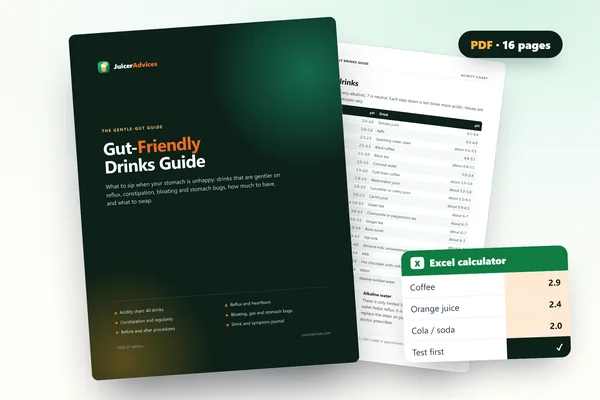 Gut-Friendly Drinks GuideDrinks that are gentler on reflux, constipation and a sensitive stomach: what to sip, how much, and what to swap.Acidity chart for 40 common drinksDrinks for reflux, constipation, bloating and stomach bugsDrink and symptom tracker (Excel)
Drinks That Can Make Diarrhea Worse
High sugar and caffeine drinks often make diarrhea worse. Sugar pulls water into the intestines, increasing loose stools, while caffeine stimulates bowel movements and can cause dehydration. Avoid sodas, energy drinks, and coffee beyond about 4 oz if you choose to have any.
Artificially sweetened beverages can also cause diarrhea or worsen it because sugar alcohols like sorbitol and mannitol have a laxative effect. Check the label for these sweeteners and avoid diet sodas or sugar-free drinks during diarrhea.
Prune juice is well known to cause diarrhea due to its high sorbitol and fiber content. Drinking prune juice when you already have diarrhea can make symptoms worse and prolong recovery. Avoid prune juice until your bowel habits normalize.
When to See a Doctor for Diarrhea
Diarrhea lasting more than two days for adults or 24 hours for children requires a medical check. Persistent diarrhea can cause dehydration and other complications that need professional care.
Drinking too much water won’t cause diarrhea itself, but overhydration without enough electrolytes can worsen symptoms. Fizzy drinks and milkshakes often irritate the gut and should be avoided if diarrhea is present.
Watch for signs like severe abdominal pain, blood or black streaks in your stool, and a high fever over 102°F (39°C). These symptoms suggest a more serious infection or condition needing prompt attention.
Dehydration signs include dark urine, dizziness, rapid heartbeat, dry mouth, and extreme thirst. If you notice any, especially along with diarrhea, seek medical help immediately.
Quick Checklist Before Your Next Drink or Appointment
Cranberry juice is usually safe in small amounts but avoid if it has added sugar. For smoothies, pick mild recipes with banana and yogurt, avoiding high-fiber or acidic fruits for now.
Drinking too much plain water can dilute electrolytes and worsen diarrhea, so balance fluids with electrolyte-rich options. Always review any new drink choice with your healthcare provider if you’re uncertain.