How Much Pomegranate Seeds to Use in Smoothies for Nutrition
On this page 4 sections
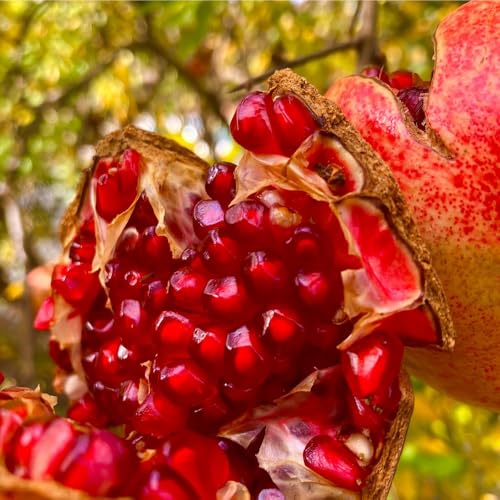
Adding pomegranate seeds to your smoothie is a simple way to increase fiber, vitamin C, and antioxidants. These seeds, also called arils, bring a tart-sweet flavor and a vibrant red color to your drink.
Before you toss them in, it’s good to know how much to use, how to prepare them, and who might need to watch their intake to avoid unwanted effects.
How Much Pomegranate Seeds to Use in Smoothies
You can safely add about 1 cup (174 g) of pomegranate seeds to a smoothie for a nutritious boost and pleasant texture. This amount provides roughly 144 calories, 7 grams of fiber, and about 30% of your daily vitamin C needs, making your smoothie both flavorful and healthful.
Pomegranate seeds contribute natural sweetness and a slight crunch, which works well in blends including banana, apple, or other fruits. A common concern is the sugar content from fruit; 1 cup of these seeds contains around 24 grams of natural sugar, so balancing them with low-sugar ingredients helps keep your smoothie’s sugar in check. Potassium is another nutrient they add, about 410 mg per cup, which is beneficial unless you have a potassium-restricted condition.
The crunchy seed texture can thicken your smoothie and add fiber, aiding digestion and fullness. However, using too many seeds might make the texture gritty or overly thick, especially if your blender isn’t powerful. For a smoother result, consider blending seeds with softer fruits or using less than a full cup.
| Nutrient | Amount per 1 Cup (174 g) |
|---|---|
| Calories | 144 kcal |
| Fiber | 7 g |
| Vitamin C | 30% daily value |
| Sugar | 24 g |
| Potassium | 410 mg |
If you’re starting a banana pomegranate apple smoothie and worry about side effects, the main issues to watch are excess sugar and potassium intake, especially if you have diabetes or kidney concerns. Otherwise, the fiber and antioxidants in pomegranate seeds support immune health and digestion, beneficial during cold and flu season.
How to Prepare and Blend Pomegranate Seeds for Smoothies
To prepare pomegranate seeds for smoothies, start by separating them from the fruit using gentle methods to avoid bitterness from the pith. One common technique is to cut the fruit in half and tap the back with a wooden spoon over a bowl to release the seeds. Alternatively, score the skin and break the fruit apart underwater, letting the seeds sink and the peel float.
You can freeze pomegranate seeds before blending; freezing preserves freshness and makes them easier to blend into a smoother texture. Frozen seeds also chill the smoothie without needing ice, which can dilute flavors.
Using a high-powered blender helps break down the tough seed membranes, reducing gritty bits in your smoothie. If your blender isn’t very powerful or you prefer an ultra-smooth texture, strain the smoothie through a fine mesh sieve after blending to remove any remaining seed pulp.
Who Should Limit Pomegranate Seeds and Why
Pomegranate seeds are generally safe, but some people should limit them due to their sugar, potassium, and fiber content.
If you have gout, you can usually enjoy pomegranate seeds without worry since they are low in purines. Pomegranate is not known to trigger gout attacks and may even have anti-inflammatory effects, but stick to about 1 cup per day to be cautious.
For those concerned about pancreatic health, like people with pancreatitis, smoothies with pomegranate seeds can be gentle if they avoid added fats and sugars. Pomegranate seeds add fiber and antioxidants that support digestion without overloading the pancreas.
Smoothies with pomegranate seeds offer benefits such as vitamin C, fiber, and hydration, which can aid immune function and gut health. However, their fiber can cause digestive discomfort if you’re not used to it or if you have sensitive guts.
People with kidney disease should limit pomegranate seeds because of their potassium content. One cup of seeds contains around 400 mg of potassium, which can raise blood potassium levels if your kidneys cannot filter it properly.
Pregnant women are advised to monitor potassium intake, keeping it within recommended limits to avoid imbalance. While pomegranate seeds are nutritious, aim for no more than about 1 cup per day unless your healthcare provider advises otherwise.
Diabetes requires attention to the sugar content in pomegranate seeds. One cup has roughly 24 grams of natural sugar, so incorporate it into your daily carbohydrate goals to avoid blood sugar spikes.
 Home Juicing Starter KitMake fresh juice that tastes good, costs less and keeps safely: 40 recipes with exact amounts, a yield chart and a 4-week plan.40 juice, smoothie and shot recipesYield, storage and food-safety chartsCost, yield and shopping-list calculator (Excel)