You pulled a smoothie from the freezer at 7:40 AM, and you need to walk out the door by 8:05. The block of frozen mango and spinach stares back at you. You could smash it with a spoon, but that ruins the texture. You could microwave it, but that often turns it into a warm, watery mess.
This guide solves that problem. You will learn exactly how to thaw a smoothie fast without losing flavor, using methods ranked by speed and taste. We cover specific times for 8 oz and 16 oz portions, how to fix a separated texture, and the freezer mistakes that cause flavor loss in the first place. No guessing required.
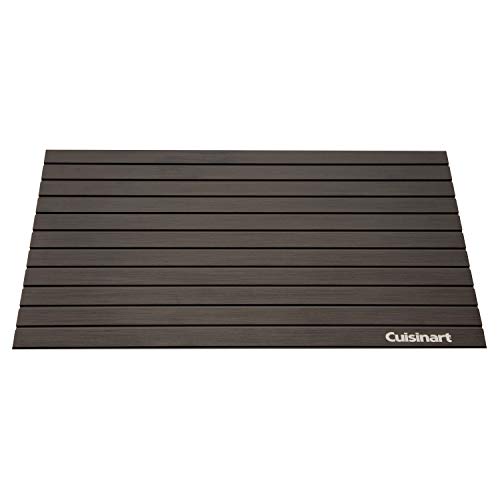
Cuisinart
Cuisinart Defrosting Tray for Frozen Meat, Advanced…
- FAST & EVEN THAWING: Made of high-conductivity aluminum, this thawing tray quickly and safely defrosts frozen foods without the ne…
- VERSATILE DEFROSTER: Perfect for meats, seafood, vegetables, and more—thaw steak, chicken breasts, pork chops, or veggies in less…
- NON-STICK SURFACE: Ensures easy removal of thawed food and simplifies cleaning; just use mild soap and a soft sponge and your meat…
If you freeze smoothies regularly, a cold-keeping blender helps on fresh days, but for frozen ones, a simple conductive tray speeds things up. The Cuisinart Defrosting Tray uses high-conductivity aluminum to pull cold out of the frozen block quickly, which preserves the fruit’s natural flavor better than a microwave does.

Why Smoothies Lose Flavor When Thawed (And How to Stop It)
The flavor loss isn’t magic. It’s chemistry. When a smoothie freezes, the water inside forms ice crystals. Those crystals puncture the cell walls of the fruit. When you thaw it, the liquid leaks out, carrying flavor compounds with it. The result is a watery, dull-tasting drink.
The second culprit is oxidation. Freezer air dries out the surface of the smoothie, especially if the container isn’t sealed tight. The exposed fruit reacts with oxygen, turning brown and losing its bright, fresh taste.
You can stop this before it starts. First, fill your container to the brim. Leave almost no headspace. Second, press a piece of plastic wrap directly onto the surface of the smoothie before you put the lid on. This blocks air contact. Third, freeze in single-serving portions so you never have to thaw a giant block twice.
For more on keeping nutrients intact during processing, check this juicing without losing nutrients guide. The same principles apply to freezing.
The 4 Fastest Thawing Methods (Ranked by Speed and Flavor)
Not all thawing methods are equal. Some are fast but ruin the texture. Others are slow but perfect. Here is the ranking based on real results.
Microwave (The 90-Second Fix)
The microwave is the fastest, but it is also the riskiest. A 30-second blast can turn the edges into soup while the center stays rock hard. Use the defrost setting, not full power.
- Remove the smoothie from its plastic container. Transfer it to a microwave-safe glass bowl. Plastic containers can warp or leach chemicals.
- Set the microwave to 30% power (defrost mode).
- Heat for 45 seconds. Take it out and check the texture.
- Stir the slushy parts into the frozen center.
- Heat for another 30 seconds. Check again.
- Stop as soon as it is slushy, not fully liquid.
For an 8 oz portion, expect about 90 seconds total. For 16 oz, plan on 2.5 to 3 minutes. The trade-off: you lose some coldness and the texture turns slightly grainy. It’s not perfect, but it works when you have no time.
Cold Water Bath (The Best Balance)
Cold water thaws faster than air and doesn’t cook the smoothie like a microwave. It is the best method for preserving flavor and texture.
- Fill a large bowl with cold tap water. Do not use warm water. Warm water promotes bacterial growth on the outer layer.
- Submerge the sealed smoothie container. If it floats, place a heavy plate on top to keep it down.
- Change the water every 10 minutes. The water warms up as it pulls cold from the smoothie.
- Wait 12 to 15 minutes for an 8 oz pouch. Wait 25 to 30 minutes for a 16 oz jar.
This method keeps the temperature low and even. The flavor stays intact because the fruit never heats up. The downside is the waiting time. You need to be near the sink to change the water.
Warm Water + Blender (The Creamy Hack)
This is the secret weapon for restoring that just-blended creamy texture. It works best for smoothies that are mostly fruit and liquid, not thick yogurt blends.
- Run the frozen smoothie block under warm water for 60 seconds to loosen the edges.
- Break the block into 3 or 4 large chunks with a butter knife.
- Place the chunks into your blender.
- Add 2 to 3 tablespoons of liquid (milk, juice, or water).
- Pulse 5 times, then blend on low for 20 seconds.
- Scrape down the sides and blend for another 10 seconds.
The warm water softens the block just enough to blend, but the remaining ice keeps the drink cold. The result is a thick, creamy smoothie that tastes almost fresh. This is the method I use most mornings. It takes about 4 minutes total, and it fixes the separation problem before it starts.
Room Temperature (The Slow, Safe Option)
Leaving the smoothie on the counter is the simplest method, but it is also the slowest. It works fine if you plan ahead.
- 8 oz pouch: 45 to 60 minutes
- 16 oz jar: 90 to 120 minutes
- 32 oz pitcher: 3 to 4 hours
The flavor stays good because the thawing is gradual. The texture remains more uniform than a microwave. The risk is forgetting about it. If the smoothie sits out for more than 2 hours, especially with dairy inside, it enters the danger zone for bacterial growth. Set a timer.
How Long Does It Take? (Exact Time Chart for 8 oz and 16 oz)
| Method | 8 oz (240 ml) | 16 oz (480 ml) | Flavor Retention | Texture Result |
|---|---|---|---|---|
| Microwave (30% power) | 90 seconds | 2.5 – 3 minutes | Good | Grainy, slightly watery |
| Cold water bath | 12 – 15 minutes | 25 – 30 minutes | Excellent | Smooth, even |
| Warm water + blender | 3 – 4 minutes | 5 – 6 minutes | Excellent | Creamy, restored |
| Room temperature | 45 – 60 minutes | 90 – 120 minutes | Very good | Uniform, slightly soft |
| Refrigerator (overnight) | 6 – 8 hours | 10 – 12 hours | Best | Perfect |
The refrigerator method is the gold standard for flavor, but it requires planning. The cold water bath is the best compromise for a weekday morning.
How to Fix Watery or Separated Smoothies After Thawing
Even with the best method, a thawed smoothie can separate. The liquid settles on top, and the solids sink. Here is how to fix it.
Option 1: Re-blend with ice. Pour the thawed smoothie into a blender, add 3 to 4 ice cubes, and blend for 30 seconds. The ice restores the cold temperature and helps re-emulsify the mixture. This works well for fruit-heavy blends.
Option 2: Add a thickener. A frozen banana, a quarter of an avocado, or a scoop of Greek yogurt adds body. Blend for 20 seconds. This works best for smoothies that were already thin.
Option 3: Use a fork for a spoonable texture. If the smoothie is just slightly separated, scrape the surface with a fork and stir vigorously for 30 seconds. It won’t be perfect, but it will be drinkable.
Pro tip: Do not add water. That makes the flavor weaker. Use milk, coconut water, or juice instead.
Freezing Mistakes That Ruin Thawed Smoothies (And How to Avoid Them)
Most thawing problems start at the freezing stage. Fix these four mistakes, and your thawed smoothies will taste dramatically better.
Mistake 1: Using a container that is too large. A half-empty jar leaves a pocket of air inside. That air causes freezer burn. Use containers that match your serving size exactly. Mason jars in 8 oz and 16 oz sizes work well.
Mistake 2: Freezing in a glass jar without headspace. Liquid expands when it freezes. If you fill a jar to the very top, the glass can crack. Leave a half-inch of headspace, then press plastic wrap on the surface before sealing.
Mistake 3: Storing near the freezer door. The temperature near the door fluctuates every time you open it. Those fluctuations cause ice crystals to melt and reform, which damages the cell structure. Store smoothies at the back of the freezer, where the temperature is stable.
Mistake 4: Thawing and refreezing repeatedly. Each cycle destroys more cell walls and drains more flavor. Freeze single portions so you only thaw what you will drink.
Can You Refreeze a Thawed Smoothie? (The Real Answer)
Yes, but you should not. Refreezing a thawed smoothie degrades the texture significantly. The second freeze creates larger ice crystals, which rupture more cell walls. When you thaw it again, you get a watery, slushy mess with a muted flavor.
The safety rule is simple: if the smoothie contains dairy or protein powder, do not refreeze it if it has been above 40°F for more than 2 hours. Bacteria multiply quickly in that window. If it is fruit-only and has stayed cold, you can refreeze it, but the texture will suffer.
If you must refreeze, do it immediately after thawing, while it is still cold. Do not let it sit on the counter for an hour first. Pour it into a fresh container, seal it tight, and freeze it flat. It will be a backup option, not a first choice.
The Ultimate Thawing Decision Matrix (Pick Your Method by Time)
Use this quick guide to choose your method based on how many minutes you have.
- 2 minutes or less: Microwave at 30% power. Accept the grainy texture.
- 5 minutes: Warm water + blender. This is the fastest way to get a creamy result.
- 15 minutes: Cold water bath. Set a timer and change the water once.
- 1 hour: Room temperature on the counter. Set a timer so you do not forget.
- Overnight: Refrigerator. This is the best flavor and texture, period.
For batch prep, freeze smoothies in ice cube trays first. Pop the cubes into a freezer bag. This gives you the flexibility to thaw exactly the amount you need in a cold water bath in under 10 minutes. It takes a bit of extra work upfront, but it pays off on busy mornings.
Frequently Asked Questions About Thawing Smoothies
Can you thaw a smoothie in the microwave without ruining it?
Yes, if you use 30% power and stop while it is still slushy. Full power heats the edges too fast, cooking the fruit and breaking the emulsion. Use short 30-second bursts and stir between each one.
Is it safe to thaw a smoothie at room temperature?
For fruit-only smoothies, yes, for up to 2 hours. For smoothies with dairy, yogurt, or protein powder, keep it under 1 hour to stay safe. The USDA recommends keeping perishable foods below 40°F, so the refrigerator or cold water bath is safer for dairy-based drinks.
Why does my thawed smoothie taste sour or flat?
That is oxidation. The fruit reacted with oxygen in the freezer air. You can prevent this by pressing plastic wrap directly onto the smoothie surface before sealing the container. Sourness can also mean the fruit was overripe when you froze it.
How long can a thawed smoothie stay in the fridge?
Once fully thawed in the refrigerator, you have about 24 hours to drink it. After that, the flavor degrades and the risk of bacterial growth increases. If you thaw it in a cold water bath, drink it within 2 hours.
Can I drink a thawed smoothie if it has separated?
Yes, it is safe to drink. Separation is a texture issue, not a safety issue. Shake it well or re-blend it with ice to restore the consistency. If the liquid smells sour or the texture is slimy, throw it out.
Three Mistakes to Avoid on Your Next Thaw
These are the most common errors I see people make, and they are easy to fix.
- Using hot water in the bath. Hot water thaws the outer layer too fast, creating a warm, bacteria-friendly zone while the center stays frozen. Always use cold tap water.
- Microwaving the plastic container. Many plastic containers are not microwave-safe. Transfer to glass first. It takes 10 seconds and prevents chemical leaching.
- Forgetting to stir. A thawed smoothie is not uniform. The bottom is denser than the top. Stir it thoroughly or re-blend it before drinking, or you will get a watery first sip and a thick last gulp.
For a different approach to making smoothies without a blender, see this no-blender smoothie method. It is a handy backup when your blender is in the dishwasher.


