Can You Put Peanuts in a Smoothie? The Ultimate Guide
On this page 10 sections
- Whole Peanuts vs. Peanut Butter vs. Peanut Powder
- Myth: Blending Whole Peanuts Always Creates a Gritty Texture
- Myth: Peanut Butter and Chocolate Are the Only Flavor Combinations That Work
- How to Get the Right Consistency Every Time
- Peanut Options Compared
- Common Mistakes That Ruin a Peanut Smoothie
- Can You Put Peanuts in a Smoothie for Weight Loss?
- How Peanuts Affect Your Smoothie’s Nutrition
- Frequently Asked Questions
- What to Do Next
You’ve probably stared at a jar of roasted peanuts while assembling your morning smoothie and wondered if they’d blend well or just sink to the bottom like tiny rocks. The short answer is yes, you can put peanuts in a smoothie. The longer answer involves texture, flavor balance, and a few tricks that separate a creamy drink from a gritty mess.
This guide walks through the best ways to use peanuts, what works with different blenders, and how to avoid the common mistakes that ruin a batch. You’ll also see how peanut powder compares to whole nuts and regular butter, so you can pick the right option for your goals.
If you want the peanut flavor without the extra fat and calories, Check price on Amazon mixes straight into cold liquid with no blender required. It’s a pantry-stable shortcut that gives you 8g of plant-based protein per serving, which makes it handy for travel or office lunches.

Whole Peanuts vs. Peanut Butter vs. Peanut Powder
Each form of peanut behaves differently in a blender. Whole peanuts are the hardest to work with. They contain natural oils that separate when blended at high speed, and unless you have a powerful motor, you’ll end up with small chunks that never fully break down.
Regular peanut butter blends easier but adds significant calories. Two tablespoons of standard peanut butter run about 190 calories and 16g of fat. That’s fine if you’re bulking or need a calorie-dense meal, but it can derail a lighter snack.
Peanut powder sits in the middle. It dissolves quickly, adds protein, and keeps the fat content low. The trade-off is that powder lacks the rich mouthfeel of real peanut butter. You might need to add a frozen banana or a spoonful of Greek yogurt to get that creamy texture back.
Myth: Blending Whole Peanuts Always Creates a Gritty Texture
Most people assume whole peanuts will never blend smooth. That’s not entirely accurate. The real issue is blender power and prep time.
A standard 500-watt blender will struggle with whole peanuts. You’ll get a coarse meal that settles at the bottom of your glass. But a high-speed blender in the 1,000-watt range can handle them if you blend for 60 to 90 seconds. The trick is to add liquid first, then the peanuts, then the rest of your ingredients.
Another method that works: soak the peanuts in warm water for 15 minutes before blending. This softens the cell structure and makes them easier to break down. It’s an extra step, but it makes a noticeable difference in the final texture.
If you’re using a standard blender, skip the whole peanuts and go with powder or butter. You’ll save yourself the frustration of chewing your smoothie.
Myth: Peanut Butter and Chocolate Are the Only Flavor Combinations That Work
Chocolate and peanut butter is a classic, but it’s not the only pairing worth trying. Peanuts have a mild, slightly sweet flavor that works with a surprising range of fruits and spices.
Try these combinations that don’t involve chocolate:
- Peanut butter, banana, and a pinch of cinnamon
- Peanut powder, mango, and a splash of coconut milk
- Whole peanuts, dates, and oat milk for a natural sweetener
- Peanut butter, apple, and a dash of nutmeg
- Peanut powder, berries, and vanilla extract
The key is balancing the peanut’s richness with something bright or tart. Berries and citrus cut through the heaviness. Bananas add body and natural sweetness. Don’t be afraid to experiment beyond the standard Reese’s-style combo.
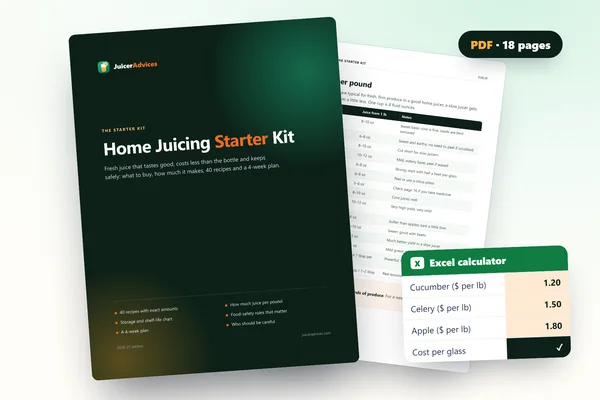 Home Juicing Starter KitMake fresh juice that tastes good, costs less and keeps safely: 40 recipes with exact amounts, a yield chart and a 4-week plan.40 juice, smoothie and shot recipesYield, storage and food-safety chartsCost, yield and shopping-list calculator (Excel)
How to Get the Right Consistency Every Time
Texture issues usually come down to ratios. Too many peanuts and you get a thick paste. Too few and you can’t taste them at all.
Start with these proportions for a single 12-ounce smoothie:
- Whole peanuts: 2 tablespoons, soaked and blended with liquid first
- Peanut butter: 1 to 2 tablespoons
- Peanut powder: 2 tablespoons mixed with 1.5 tablespoons of water before adding to the blender
Liquid matters more than people think. Use 6 to 8 ounces of milk, water, or juice as your base. If the smoothie comes out too thick, add liquid in 2-ounce increments and blend for 10 seconds each time. Don’t dump in a full cup at once or you’ll end up with a watery drink.
Temperature also affects consistency. Frozen fruit makes the smoothie thicker. Room-temperature fruit makes it thinner. If you’re using peanut powder, you can skip the ice entirely and still get a decent texture.
Peanut Options Compared
Here’s a quick breakdown of the three main ways to add peanuts to your smoothie, along with the trade-offs of each.
| Form | Prep Time | Calories (2 tbsp) | Protein (2 tbsp) | Best For |
|---|---|---|---|---|
| Whole peanuts | 10-15 min (soaking) | ~105 | ~5g | High-speed blenders, chunky texture |
| Peanut butter | None | ~190 | ~7g | Rich flavor, calorie-dense smoothies |
| Peanut powder | 1 min (mixing) | ~70 | ~8g | Low-fat options, quick prep |
The calorie difference is the biggest factor for most people. Powder gives you the most protein per calorie, which makes it a solid choice if you’re watching your intake. Whole peanuts are the cheapest option but require the most work. Peanut butter is the most convenient but adds the most fat.
Common Mistakes That Ruin a Peanut Smoothie
One mistake is adding peanuts at the same time as ice. The cold hardens the peanut oils, making them clump together. Add peanuts first, blend with liquid, then add ice at the end.
Another issue is using flavored or honey-roasted peanuts. The added sugar and salt throw off the balance of your smoothie. Stick with unsalted, dry-roasted peanuts if you’re using whole nuts.
People also forget to account for peanut powder’s thickening effect. Two tablespoons of powder can turn a thin smoothie into a sludge. Start with less liquid than you think you need, then adjust.
Finally, don’t blend on high speed for more than two minutes. Over-blending breaks down the peanut oils and creates a bitter taste. Blend just until everything is combined, then stop.
Can You Put Peanuts in a Smoothie for Weight Loss?
Yes, but you need to choose your form carefully. Whole peanuts and regular butter are calorie-dense. A single serving can add 100 to 200 calories without making you feel full.
Peanut powder is the better option for weight management. Two tablespoons give you 8g of protein for about 70 calories. That protein helps keep you satisfied, which can reduce snacking later in the day.
Pair the powder with low-calorie liquids like unsweetened almond milk or plain water. Add a handful of spinach or a scoop of protein powder for extra volume without many calories. The result is a smoothie that fills you up without blowing your daily budget.
Just don’t assume all peanut smoothies are healthy. A smoothie with two tablespoons of regular butter, a banana, and honey can easily exceed 400 calories. Check your portions and be honest about what you’re adding.
How Peanuts Affect Your Smoothie’s Nutrition
Peanuts bring more than just protein. They’re a solid source of magnesium, phosphorus, and vitamin E. They also contain resveratrol, an antioxidant that gets a lot of attention in nutrition circles.
The fat in peanuts is mostly monounsaturated, which is the same type found in olive oil. That’s the heart-healthy kind. But it’s still fat, and it adds up quickly if you’re not measuring.
One thing to watch: peanuts are high in omega-6 fatty acids. Most Western diets already have too much omega-6 relative to omega-3. If you’re eating peanuts daily, balance them with omega-3 sources like chia seeds, flaxseed, or walnuts in your smoothie.
If you’re adding protein powder to your smoothie, peanuts work well alongside it. The combination gives you a more complete amino acid profile. Just be mindful of the total protein count so you’re not overdoing it.
Frequently Asked Questions
Can I put raw peanuts in a smoothie?
Technically yes, but you shouldn’t. Raw peanuts can contain aflatoxins, which are compounds produced by certain molds. Roasting reduces these compounds. Use roasted peanuts, not raw ones, for both safety and flavor.
Will peanuts make my smoothie taste like peanut butter?
Whole peanuts give a milder, more earthy flavor than peanut butter. Butter has added salt and sometimes sugar, which makes it taste more pronounced. If you want that strong peanut butter taste, use the butter or powder. Whole peanuts will be subtler.
Can I use peanut powder without mixing it with water first?
You can, but it won’t dissolve evenly. The powder tends to clump when added directly to cold liquid. Mix it with a small amount of warm water first, then add it to the blender. That extra 30 seconds makes a real difference in texture.
How long will a peanut smoothie stay fresh in the fridge?
About 24 hours, if stored in an airtight container. The peanut oils can separate and leave a film on top. Give it a good shake before drinking. Don’t keep it longer than a day, because the texture degrades quickly.
Are peanuts safe for people with nut allergies?
No. Peanuts are legumes, but they trigger the same allergic reactions as tree nuts in many people. If you have a nut allergy, avoid peanuts entirely. There are seed-based alternatives like sunflower seed butter that work in smoothies.
What to Do Next
You’ve got the information, so now it’s about testing what works for you. Start with peanut powder if you want the easiest path. Move to whole peanuts only if you have a high-speed blender and don’t mind the extra prep.
- Use unsalted, dry-roasted peanuts if you’re going with whole nuts
- Soak whole peanuts for 15 minutes before blending to improve texture
- Mix peanut powder with water first to avoid clumps
- Add peanuts before ice to prevent oil clumping
- Balance the omega-6 content with chia or flax seeds
- Measure your portions — peanut calories add up fast
- Check the quinoa smoothie guide for another protein-packed ingredient option
If you need a new blender to handle thicker ingredients, our blender recommendations cover models that won’t struggle with nuts or frozen fruit. A decent motor makes the whole process less frustrating.
Peanuts belong in smoothies. They add protein, healthy fats, and a flavor that pairs well with almost anything. Just pick the right form for your blender and your goals, and you’ll get a drink that actually tastes good.