Does Coconut Water Spoil in the Fridge? Shelf Life & Storage Tips
On this page 9 sections
- Does Coconut Water Spoil? The Short Answer
- How Long Does Coconut Water Last? (By Type & Storage)
- The Science: Why Coconut Water Goes Bad
- 5 Clear Signs Your Coconut Water Has Spoiled
- The Ultimate Storage Guide: Fridge, Pantry, and Freezer
- Can You Drink Expired Coconut Water? Health Risks Explained
- Smart Ways to Use Up Coconut Water Before It Spoils
- Frequently Asked Questions
- Final Verdict: When to Toss It
You bought a carton of coconut water last week, drank half, and now it’s sitting in the fridge door. You’re staring at it, wondering if that tangy smell is normal or if you’re about to drink something that will ruin your afternoon.
This article gives you straight answers based on food science, not guesswork. You’ll learn the exact shelf life for every type of coconut water, how to tell if it’s spoiled in under ten seconds, and the right way to freeze it without wrecking the texture. No vague advice, just rules you can use today.
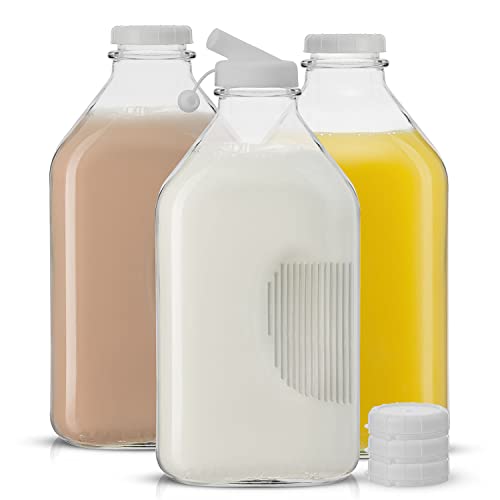
JoyJolt
JoyJolt Glass Milk Bottles with Lids and…
- NOSTALGIC AND PRACTICAL: Whether you remember them as a kid or not, we can all agree old milk bottles are both charming and sturdy…
- EASY TO GRIP, SPILL PROOF POUR: Each 64oz large glass bottle features a textured, indented grip that is as easy to hold as it is s…
- EASY TO CLEAN: Because we use such thick glass, the milk storage bottle is robust for cleaning. It’s 100% Dishwasher Safe (not the…
One quick tool that helps with storage: a set of airtight glass bottles. The JoyJolt glass milk bottles (64 oz, 3-pack) work well for keeping opened cartons fresh longer. The leakproof caps seal out fridge odors, and the thick glass doesn’t absorb flavors like plastic does. It’s a practical upgrade if you drink coconut water regularly.

Does Coconut Water Spoil? The Short Answer
Yes, it does. Coconut water is not shelf-stable forever, even in the fridge. It’s a low-acid liquid with natural sugars, which makes it a friendly environment for bacteria, yeast, and mold once the package is opened.
Here’s the rule of thumb: opened coconut water lasts 24 to 48 hours in the fridge. Some brands claim longer, but after two days, the risk of fermentation and bacterial growth climbs fast. Unopened, shelf-stable cartons last 6 to 12 months past the printed date if stored in a cool, dark pantry.
Fresh coconut water from a young green coconut is different. It starts deteriorating the moment the coconut is opened. You’ve got about 24 hours in the fridge, and even that’s pushing it on a warm day.
How Long Does Coconut Water Last? (By Type & Storage)
The timeline depends on how the coconut water was processed and whether the package is open. Let’s break it down by type.
Unopened Shelf-Stable Cartons
These are pasteurized and packed in aseptic cartons. They don’t need refrigeration until opened. The shelf life is typically 6 to 12 months from the manufacturing date. Check the ‘best by’ date on the top of the carton. Store them in a pantry away from direct sunlight and heat sources like the stove.
Unopened Canned Coconut Water
Canned versions last even longer, often 12 months or more. The canning process is more aggressive than aseptic packaging. Before you open a can, inspect it. If the can is bulging, rusted, or deeply dented, throw it out. That’s a sign of botulism risk, not something to test.
Fresh (Raw) Coconut Water
Fresh coconut water from a whole coconut has no preservatives and hasn’t been pasteurized. It’s the most perishable type. Once you crack the coconut open, you have about 24 hours in the fridge. Some people report it lasting 48 hours, but the flavor degrades noticeably after the first day. The natural enzymes and sugars ferment quickly.
Opened & Refrigerated
Once you open any carton, can, or bottle, the clock starts. The FDA’s general guidance for perishable foods is 2 hours at room temperature, but for refrigerated life, coconut water is more delicate than milk. Expect 24 to 48 hours of good quality. After that, oxidation and fermentation begin.
For a deeper look at the fridge timeline specifically, check out this fridge shelf life guide on JuicerAdvices.
The Science: Why Coconut Water Goes Bad
Three processes break down coconut water: oxidation, fermentation, and microbial growth.
Oxidation happens when oxygen touches the liquid. The polyphenols and vitamin C react with air, turning the water darker and giving it a flat, stale taste. This starts immediately after opening.
Fermentation is the big one. Coconut water contains natural sugars. Yeast and bacteria in the environment love those sugars. They consume them and produce alcohol, carbon dioxide, and organic acids. That’s why spoiled coconut water tastes sour, fizzy, or vinegary. The fizz you feel on your tongue is carbon dioxide from fermentation, not natural carbonation.
Microbial growth follows. Once the pH drops and sugars are partially consumed, mold and harmful bacteria like Clostridium botulinum (in low-oxygen canned environments) can take hold. This is why you should never taste coconut water that smells off or has visible mold.
5 Clear Signs Your Coconut Water Has Spoiled
Your senses are enough. Here’s what to look for, in order of reliability.
The Smell Test
Fresh coconut water smells clean and slightly nutty, almost like a mild melon. Spoiled coconut water smells sour, fermented, or like vinegar. If it smells like nail polish remover, that’s a hard no. Trust your nose on this one. If you have to sniff twice, it’s already past its prime.
The Taste Test
Only do this if the smell is fine. Take a tiny sip. Fresh coconut water tastes slightly sweet, with a subtle nutty undertone. If it tastes sour, bitter, or has a sharp alcoholic kick, spit it out. Do not swallow. A ‘just off’ flavor means the fermentation process has started, even if it hasn’t produced enough gas to notice.
Visual Changes (Color & Fizz)
Fresh coconut water is clear to slightly cloudy, with a pale white or light yellow tint. Spoiled coconut water turns darker yellow, sometimes brown. You might see sediment settling at the bottom or floating particles. Fizz or bubbles that weren’t there when you opened it is a red flag. That’s carbon dioxide from yeast activity.
Package Integrity Check
For unopened packages, look before you open. A bulging can or carton means gas is building up inside, which indicates bacterial fermentation. Rust on a can, especially around the seams, means the seal might be compromised. Dented cartons with punctures are a no-go. If the package looks damaged, don’t buy it or drink it.
The Ultimate Storage Guide: Fridge, Pantry, and Freezer
Storage isn’t complicated, but there are a few rules that make a real difference.
Refrigeration Best Practices
Keep opened coconut water in the coldest part of the fridge, not the door. The door opens and closes, causing temperature swings that speed up spoilage. Put it on a middle or lower shelf, toward the back.
Transfer it to a smaller container if you’ve drunk more than half. Less air in the container means less oxidation. An airtight glass bottle works better than the original carton, which can’t be re-sealed effectively. The JoyJolt bottles mentioned earlier are great for this because the caps create a proper seal. Plastic bottles can work too, but they sometimes transfer old flavors after repeated use.
How to Freeze Coconut Water (Step-by-Step)
Freezing is a solid way to extend life by months, but the texture changes. Here’s how to do it right.
- Choose the container. Use a freezer-safe glass jar or a plastic container. Leave at least an inch of headroom because the liquid expands when frozen.
- Pour and seal. Fill the container, leaving that headroom. Screw the lid on loosely for the first hour, then tighten it. This prevents pressure buildup.
- Freeze flat. Place the container flat in the freezer. This speeds up freezing and saves space.
- Thaw in the fridge. Move it to the fridge 12 hours before you need it. Never thaw at room temperature or in hot water, which encourages bacterial growth.
- Expect separation. Thawed coconut water will look cloudy and might have a slightly grainy texture. That’s normal. Shake it well before drinking.
Use thawed coconut water in smoothies, marinades, or cooking where the texture won’t matter. Drinking it straight is fine, but the flavor won’t be as crisp as fresh.
What About Leaving It on the Counter Overnight?
Here’s the straight rule: 2 hours at room temperature is the maximum. If the room is warm (above 90°F), cut that down to 1 hour. If you left a glass out overnight, pour it out. The bacteria that grew in those 8 hours won’t be killed by putting it back in the fridge. This applies to both pasteurized and fresh coconut water.
The only exception is unopened shelf-stable cartons, which are fine in the pantry. But once opened, the 2-hour rule applies.
Can You Drink Expired Coconut Water? Health Risks Explained
Drinking spoiled coconut water is a gamble you don’t want to win. The risks range from mild to serious.
Mild cases cause stomach cramps, nausea, and diarrhea. These come from the organic acids and bacterial byproducts. More serious cases involve food poisoning from pathogens like Salmonella or E. coli, which can cause vomiting, fever, and dehydration. In rare cases, canned goods that are bulging can harbor Clostridium botulinum, which produces a neurotoxin. That’s a medical emergency.
The ‘best by’ date is a quality indicator, not a safety deadline. Unopened, pasteurized coconut water can be safe a few weeks past that date if stored properly. Opened coconut water past 48 hours is never worth the risk. The cost of a new carton is less than an urgent care visit.
Smart Ways to Use Up Coconut Water Before It Spoils
Don’t waste it. If you have a carton that’s nearing the 48-hour mark, here are five ways to use it up fast.
- Ice cubes. Pour leftover coconut water into an ice cube tray and freeze. Use the cubes in smoothies or to chill drinks without watering them down.
- Smoothies. Replace the milk or juice in your morning smoothie with coconut water. It adds natural electrolytes and a light sweetness. Works especially well with mango, pineapple, or banana.
- Marinades. Coconut water makes a great base for marinades. Mix it with soy sauce, garlic, and lime for chicken or shrimp. The enzymes help tenderize the meat.
- Cooked grains. Use coconut water instead of water when cooking rice or quinoa. It adds a subtle flavor that pairs well with Thai or Caribbean dishes.
- Sports drink. Add a pinch of salt and a squeeze of lemon to leftover coconut water for a homemade electrolyte drink. Drink it after a workout, not days later.
If the coconut water is already sour or fizzy, don’t use it in any of these. Once it’s fermented, cooking won’t neutralize the off-flavor or the harmful bacteria.
Frequently Asked Questions
How long does coconut water last in the fridge after opening?
24 to 48 hours is the safe window. Some brands say up to 4 days, but the quality drops after day two. If it’s been three days, toss it. The flavor will be noticeably flat or sour.
Can you freeze coconut water in the original carton?
Technically yes, but it’s not a good idea. The carton isn’t designed to handle expansion, and it can burst or leak. Pour it into a freezer-safe glass jar or plastic container with headroom instead.
What does spoiled coconut water taste like?
It tastes sour, somewhat like vinegar or spoiled wine. There might also be a bitter aftertaste. If there’s any fizz or sharpness that wasn’t there when you opened it, that’s fermentation. Spit it out.
Does coconut water go bad if left in a hot car?
Yes, and faster than you’d think. Heat accelerates bacterial growth. If it’s been in a hot car for more than an hour, it’s unsafe. The 2-hour rule drops to 1 hour in temperatures above 90°F.
Is cloudy coconut water a sign of spoilage?
Not always. Fresh coconut water is naturally cloudy. But if the cloudiness increased significantly since you opened it, or if there’s sediment settling at the bottom, it’s likely spoiling. Combine this with the smell test for a reliable answer.
Final Verdict: When to Toss It
Here’s your quick decision checklist. Follow these and you’ll never second-guess yourself.
- Opened in the fridge for more than 48 hours? Toss it.
- Smells sour, fermented, or like vinegar? Toss it.
- Has visible fizz or bubbles that weren’t there before? Toss it.
- Can is bulging, rusted, or deeply dented? Toss it without opening.
- Left out at room temperature for more than 2 hours? Toss it.
- Past the ‘best by’ date but unopened and undamaged? Probably fine, but check the package integrity first.
- Freezer burned or thawed for more than 24 hours in the fridge? Toss it.
Coconut water is a perishable product, just like milk or juice. Treat it with the same respect. When in doubt, throw it out. A few dollars is a cheap price for avoiding a stomach bug.
For more on how coconut water behaves in different conditions, you can read about how water gets into a coconut or check the health benefits overview on JuicerAdvices.
