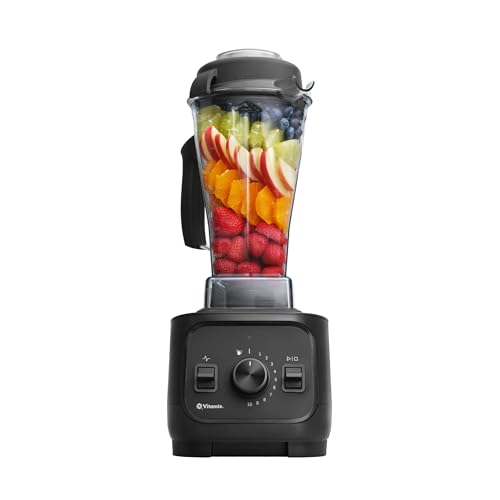
You’ve got a high-speed blender like a Vitamix sitting on your counter. You love making smoothies and soups. But can it handle something more complex, like turning dry soybeans into creamy, homemade plant milk? Absolutely. The powerful motor and sharp blades are more than capable of transforming whole ingredients into silky liquids, making a homemade soy milk recipe not just possible, but surprisingly straightforward.
While dedicated soy milk makers automate the process, using your vitamix offers control and cost savings. You skip the additives and preservatives common in store-bought versions. For those who want the ultimate in convenience, an appliance like the 8 in1 Automatic can be a great dedicated solution. But if you already own a powerful blender, you’re most of the way there. Let’s break down exactly how to do it.
What You Need: Ingredients & Essential Gear
Gathering the right components is half the battle. For the cleanest, purest result, sourcing matters. Many conventional soybeans may have trace pesticide residues like glyphosate, so opting for organic is a smart choice for a health-focused kitchen project.
Core Ingredients
- Soybeans for milk: 1 cup of dry, organic soybeans yields about 4-5 cups of milk.
- Water: For soaking and blending. Filtered water is best.
- Sweeteners/Flavor (Optional): A pinch of salt, a date, vanilla extract, or maple syrup.
Required Equipment
- Your vitamix or comparable high-performance blender (like a Blendtec). Models like the Vitamix 510 are perfectly suited.
- A nut milk bag or several layers of cheesecloth for straining. This is non-negotiable for smooth milk.
- A large bowl and a pot for optional boiling.
The Step-by-Step Vitamix Soy Milk Recipe
This process mirrors traditional methods but leverages your blender’s power for a faster, finer puree. The key steps are soaking, blending, and straining.
1. Preparing & Soaking the Soybeans
Soybean soak time is critical. It softens the beans, making them blendable and more digestible. Rinse 1 cup of dry soybeans thoroughly, then cover with at least 3 inches of cold water. Let them soak at room temperature for 8-12 hours, or overnight. Soaking soybeans overnight is the standard. Drain and rinse them well before use.
2. The Blending Process
Add the soaked beans to your blender with 4 cups of fresh water. For a standard Vitamix soy milk recipe, start on Variable Speed 1, quickly increase to 10, then flip to High. A total blending duration of 2-3 minutes is usually sufficient to create a very fine, frothy mixture. The goal is to pulverize the beans completely.
3. Straining for Smoothness
Place your nut milk bag over a large bowl. Pour the blended mixture into the bag. Gather the top and squeeze firmly to separate the liquid milk from the solid pulp, known as okara (soy pulp). This step answers “can you make soy milk in Vitamix without cheesecloth?“technically yes with a fine sieve, but a nut milk bag yields a much smoother, pulp-free result. Don’t discard the okara; it’s high in fiber and protein, perfect for adding to baked goods or veggie burgers.
4. To Boil or Not to Boil?
Does homemade Vitamix soy milk need to be boiled? This is a key safety and taste question. Raw soy milk contains compounds that can be hard to digest and may carry a “beany” flavor. Bringing the strained milk to a boil in a pot, then simmering for 10-20 minutes, improves digestibility, enhances flavor, and ensures safety by killing any bacteria. Let it cool before storing. You now have pure, unflavored soy milk ready to drink or customize.
Pro Tips for Creamier Milk & Troubleshooting
Want that barista-quality texture? A few small adjustments make a big difference.
For Ultra-Creamy Soy Milk
- Use a 1:3 bean-to-water ratio during blending for a richer base.
- Add a tablespoon of a neutral oil (like sunflower) or a handful of soaked cashews during blending.
- Ensure your blending duration is long enough to fully emulsify the beans.
Common Issues & Fixes
| Issue | Likely Cause | Solution |
|---|---|---|
| Grainy Texture | Insufficient blending or a coarse strainer. | Blend longer on high. Use a proper nut milk bag. |
| Low Yield | Not squeezing pulp thoroughly. | Press and twist the bag until only dry pulp remains. |
| Strong “Beany” Flavor | Undercooked or old beans. | Boil the milk longer (20-25 mins). Use fresher, organic beans. |
Thinking about blender vs soy milk maker? The blender method requires more hands-on steps but uses an appliance you likely already own. A dedicated maker simplifies the process but adds another device to your cabinet. For heavy-duty blending tasks beyond plant milk, exploring models like the Vitamix Vita-Prep shows the range of professional-grade options available.
Nutrition, Storage & Key Considerations
Homemade soy milk isn’t just about tasteit’s a nutritional powerhouse you control.
Nutritional Profile & Comparisons
Your homemade soy milk will be rich in plant-based protein, often containing 7-9 grams per cup. This is a significant advantage over many other plant-based milk options like almond or oat milk, which typically have 1-3 grams. It also provides isoflavones, potassium, and is often fortified with calcium and B12 in commercial versionsnutrients you can be mindful of in your overall diet.
Storing Your Homemade Milk
- Let the boiled milk cool completely.
- Store in a sealed glass jar in the refrigerator.
- Consume within 3-4 days for best flavor and safety. It may separate naturally; just shake well before use.
Addressing Missing Entities: Allergies & Sourcing
Two points often overlooked are cross-contamination and sourcing. First, if you’re using your blender for allergen-free homemade milk (e.g., for a soy or nut allergy), a rigorous cleaning protocol is essential. Run your high-speed blender with hot water and a drop of dish soap on high for 60 seconds after use to eliminate residual proteins.
Second, the choice of soybeans directly impacts your milk. As mentioned, organic beans minimize exposure to glyphosate residue. This sourcing decision is a direct benefit of making it yourselfyou know exactly what’s going into your food. For the most detailed, tested methodology, always refer to an official source like Vitamix’s own guide.
So, can your Vitamix make soy milk? Without a doubt. It transforms simple soaked soybeans and water into a fresh, customizable, and nutritious beverage. The process connects you to your food, reduces waste (hello, useful okara!), and avoids the stabilizers found in cartons. It requires a bit more time than buying off the shelf, but the reward is in the glassa truly creamy soy milk made exactly to your taste. Give it a try this weekend. Your blender is ready for the challenge.