
What You’re Experiencing Right Now
You woke up with a swollen, red, hot toe joint. The pain came fast, maybe overnight. Your big toe feels like it’s on fire, and even a bedsheet touching it hurts.
That’s a classic gout attack. Now you’re trying to figure out what triggered it. You’ve been drinking soft drinks regularly, and someone told you they could be the cause.
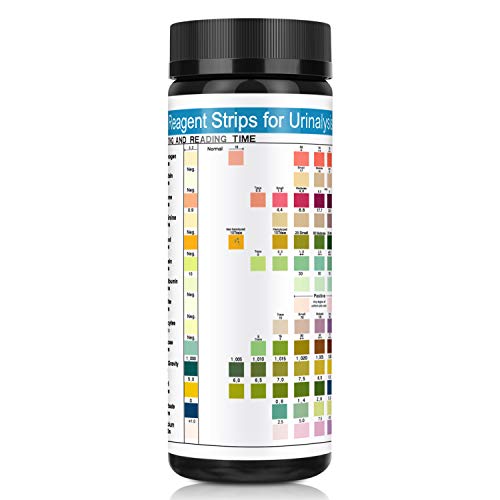
RPOMU
Urine Test Strips 14 Parameters 100 Count
- Comprehensive 14-in-1 Testing: These urine test strips 14 Parameters measure 14 key health indicators, including pH, nitrite, leuk…
- Quick and Reliable Results: Our urine test strips get accurate results in under 60 seconds. Simply dip the strip, wait a minute, a…
- 100 Strips for Extended Use: Includes 100 test strips in a resealable container to ensure freshness, making it perfect for both in…
Let’s work through this step by step.
What’s Actually Happening in Your Body
Gout is a form of inflammatory arthritis. It occurs when uric acid crystals accumulate in a joint, most often the base of the big toe. Your immune system attacks those crystals, causing intense inflammation, swelling, and pain.
Uric acid comes from the breakdown of purines. Purines are compounds found in certain foods and produced naturally by your body. When your kidneys can’t eliminate uric acid fast enough, blood levels rise. Eventually, the excess crystallizes in joints.
The Soft Drink Connection
Soft drinks don’t contain purines. So how could they trigger gout?
The answer is fructose. Regular soft drinks are sweetened with high-fructose corn syrup. Your liver metabolizes fructose differently than glucose. Fructose breakdown generates uric acid as a byproduct. The more fructose you consume, the more uric acid your body produces.
A major study tracked over 46,000 men for 12 years. Men who drank two or more sugary soft drinks daily had an 85% higher risk of gout compared to men who drank less than one per month. Research on sugary drinks and gout risk confirms this connection across multiple populations.
Diet soft drinks complicate the picture. They don’t contain fructose, so they shouldn’t directly raise uric acid. But some observational studies have linked diet soda to higher gout risk. The mechanism isn’t clear. It could be reverse causation. People who already have metabolic issues switch to diet drinks, and the underlying condition drives the gout.
Working Through the Likely Causes
If you’re having recurrent gout attacks, here are the most likely triggers in rough order of frequency:
- Dehydration — The most common and least exciting cause. When you’re dehydrated, your kidneys concentrate uric acid. Crystals form more easily. Many attacks happen after hot weather, travel, or heavy drinking.
- Alcohol — Beer is particularly problematic. It contains purines from brewer’s yeast and alcohol reduces kidney excretion of uric acid. Liquor also raises risk. Wine appears to have a smaller effect.
- Sugary soft drinks — The fructose mechanism described above. Two or more daily servings significantly raise risk.
- High-purine foods — Organ meats like liver and kidneys, certain seafood like sardines and anchovies, and red meat. These directly add to your uric acid load.
- Medication changes — Starting a diuretic for blood pressure can trigger attacks. Low-dose aspirin also raises uric acid.
- Rapid weight loss — Fasting or crash dieting releases purines from breaking down tissue.
How to Tell Them Apart
Start with the cheapest investigation. Track your attacks alongside what you consumed and did in the 24 to 48 hours before each flare.
Did you drink beer or liquor the night before? That’s a strong suspect. Were you outside in the heat without drinking enough water? Dehydration is likely. Did you have two or three regular colas during the day? Fructose could be your trigger.
You can also monitor your urine at home. The RPOMU Urine Test Strips 14 Parameters (ASIN: B0DGGJQGZN) offer a practical starting point. These strips measure 14 health indicators including pH, protein, and leukocytes. You get results in under 60 seconds. Dip a strip, wait, and compare to the included color chart.
Urine pH matters for gout management. Acidic urine makes it harder for your kidneys to excrete uric acid. If your urine pH consistently runs below 5.5, your body is struggling to eliminate uric acid effectively. The strips come in a 100-count resealable container, so you can track trends over weeks. Check the current price on Amazon if you want to start monitoring.
It’s not a replacement for a blood test. A serum uric acid measurement from your doctor gives the definitive number. But home urine testing costs a fraction of a lab visit and helps you spot patterns early.
If home monitoring shows consistently acidic urine or you’re having frequent attacks, see your doctor. A blood test measuring serum uric acid will confirm whether your levels are elevated. Normal is below 6.8 mg/dL. Anything above that increases crystallization risk.
What About Diet Soda?
Diet soft drinks contain artificial sweeteners, not fructose. In theory, they shouldn’t raise uric acid.
The evidence is mixed. Some studies find no direct link. Others show a weak association. The most likely explanation is that diet soda drinkers often have other risk factors like obesity or metabolic syndrome. Those conditions independently drive gout.
If you’ve switched from regular to diet soda, that’s a positive step. But don’t assume diet drinks are completely innocent. Certain drinks increase gout risk in ways researchers are still untangling.
Related Drink Concerns
The connection between sugary beverages and joint problems extends beyond gout. Fructose promotes systemic inflammation. Some people report generalized soft drink joint pain that isn’t classic gout but still improves when they cut out soda.
Carbonated drinks can also affect digestion. If you have irritable bowel syndrome, the carbonation and additives may worsen symptoms. Read more about carbonated drinks and IBS if digestive issues accompany your joint pain.
Energy drinks deserve separate consideration. They combine caffeine, sugar, and other stimulants. Some users report that energy drinks cause headaches and other symptoms that can overlap with gout flare-ups.
Comparison: Common Gout Triggers
| Trigger | Mechanism | Risk Level | Reversible? |
|---|---|---|---|
| Sugary soft drinks (2+ per day) | Fructose raises uric acid production | High | Yes, stop drinking |
| Beer | Purines plus reduced kidney excretion | High | Yes, limit or avoid |
| Liquor | Reduced kidney excretion | Moderate to High | Yes, limit intake |
| Dehydration | Concentrated uric acid in blood | High | Yes, drink water |
| Organ meats | Direct purine load | High | Yes, avoid |
| Certain seafood | Direct purine load | Moderate | Yes, limit portions |
| Diuretics | Reduced kidney excretion | Moderate | Consult your doctor |
| Diet soft drinks | Unclear, possibly indirect | Low to Moderate | Yes, switch to water |
| Wine | Mild effect on excretion | Low | Yes, moderate intake |
Practical Steps
Cut sugary soft drinks first. This single change can lower your uric acid within weeks. Replace them with water. Add lemon or lime for flavor. Citrus actually makes urine more alkaline, which helps your kidneys excrete uric acid.
Drink at least 2 liters of water daily. More if you’re active or in hot weather.
Limit alcohol, especially beer. If you’re having active attacks, avoid alcohol entirely until things settle.
Track your urine pH at home with test strips. Aim for a pH between 6.0 and 7.0. If it’s consistently lower, increase your water intake and add more alkaline foods like vegetables and fruits.
Keep a simple log. Note what you ate and drank in the 48 hours before each attack. Patterns emerge after two or three flares.
Frequently Asked Questions
How quickly can soft drinks trigger a gout attack?
Fructose raises uric acid within hours of consumption. But a single soft drink rarely causes an attack on its own. The risk builds with regular daily intake. Most attacks result from sustained elevated uric acid over weeks or months, not one sugary drink.
Are fruit juices just as bad as soft drinks?
Fructose is fructose, regardless of source. Orange juice and apple juice contain significant amounts. A large glass of apple juice can contain as much fructose as a can of cola. Whole fruit is different. The fiber slows absorption and the fructose dose per serving is lower.
Can I ever drink soft drinks again if I have gout?
Occasional consumption is unlikely to trigger an attack if your baseline uric acid is well-controlled. The danger is daily or multiple-times-daily intake. An occasional soda at a party probably won’t cause a flare if you’re otherwise managing your risk factors.
Is gout hereditary?
Genetics play a significant role. Some people inherit kidneys that excrete uric acid less efficiently. If a parent had gout, your risk is higher. But genetics load the gun. Diet and lifestyle pull the trigger.
How long does a gout attack last?
Untreated attacks typically peak within 24 to 48 hours and resolve over 7 to 14 days. Anti-inflammatory medication can shorten this significantly. See a doctor if an attack lasts longer than two weeks or if you develop a fever, which could indicate infection rather than gout.
Will quitting soft drinks cure my gout?
No. Gout is a chronic condition. Quitting sugary drinks reduces one major trigger and can lower your uric acid. But you may still need medication if your levels remain elevated. Think of it as removing one log from the fire, not putting out the flames entirely.


