Diet sodas without aspartame use alternative sweeteners like stevia or sucralose and often have zero calories; an 8.4 oz can typically contains no aspartame, making them suitable for those avoiding this ingredient.
Many people choose diet sodas to avoid sugar, but some want to skip aspartame too. Aspartame is a common artificial sweetener in diet sodas, but alternatives exist that use plant-based or other sweeteners instead.
This article helps you find which diet sodas do not contain aspartame, explains the sweeteners they use, caffeine content, who should watch their intake, and how to choose a soda that fits your health goals.
The essentials
Diet sodas without aspartame use sweeteners like stevia, sucralose, or monk fruit instead of aspartame.
An 8.4 oz can of these sodas typically has zero calories and no aspartame, but check labels to be sure.
Caffeine content varies by brand and flavor; some have none, others up to about 40 mg per 12 oz can.
People who are pregnant, have phenylketonuria (PKU), or certain health conditions should watch artificial sweeteners and caffeine intake.
For a healthier choice, consider sodas sweetened with natural non-nutritive sweeteners or try sparkling water with fruit infusions.
Diet Sodas Without Aspartame: What They Contain
Coke Zero does contain aspartame, about 87 mg in a 12 oz can, so it’s not an option if you’re avoiding this sweetener. Many other diet sodas now use different sweeteners to stay aspartame-free.
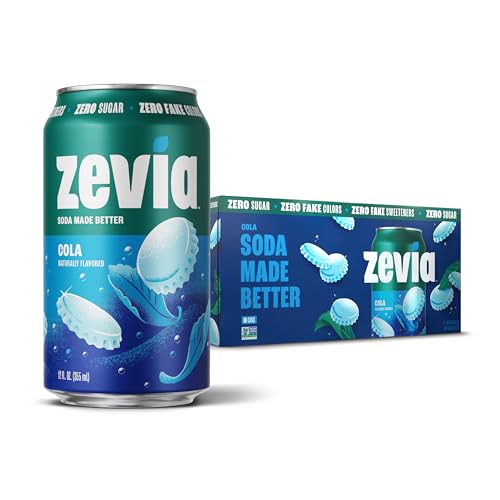
Aspartame-free diet sodas commonly rely on sweeteners like stevia, sucralose, or monk fruit extract. For example, Zevia sodas use stevia, a plant-based sweetener that provides sweetness without artificial chemicals or aspartame.
Some Diet Pepsi varieties replace aspartame with sucralose, another artificial sweetener, but this varies by product and region, so always check the label. These sodas usually have zero calories and no sugar, similar to traditional diet sodas.
Because aspartame is common in many diet sodas, reading the nutrition and ingredient labels is the surest way to confirm what’s inside. Aspartame-free sodas often highlight this on their packaging due to growing consumer demand.
Brand
Sweetener
Caffeine (mg)
Serving Size
Zevia (various flavors)
Stevia
35–45
12 oz can
Diet Pepsi (some versions)
Sucralose
35–38
12 oz can
Coke Zero
Aspartame and Acesulfame potassium
34
12 oz can
Diet Coke
Aspartame
46
12 oz can
Comparison of popular diet sodas by sweetener, caffeine, and serving size
Myth
All diet sodas without aspartame are safe for everyone.
Fact
While they avoid aspartame, some alternative sweeteners may affect people with specific health conditions or sensitivities, so not all are universally safe.
Limiting Aspartame and Artificial Sweeteners
People with phenylketonuria (PKU) must avoid aspartame completely because it contains phenylalanine, an amino acid they cannot metabolize. Even small amounts can cause serious health problems.
Pregnant people are advised to limit artificial sweeteners, including aspartame, according to FDA and professional guidelines. While moderate intake is generally considered safe, it’s best to minimize exposure during pregnancy as a precaution.
Aspartame Sensitivity
Some people report headaches, dizziness, or mood changes after consuming aspartame. If you notice such symptoms, limiting or avoiding aspartame may help.
People with diabetes can safely consume aspartame-free diet sodas, but they should monitor total sweetener intake as part of managing blood sugar. Artificial sweeteners don’t raise blood glucose but can affect appetite and food choices.
Kidney disease and heart rhythm issues are more related to caffeine intake than artificial sweeteners. Limiting caffeine to about 200 mg a day is advisable if these conditions apply, regardless of sweetener choice.
Sweetener Limits
There are no official limits for most artificial sweeteners besides aspartame in PKU, but keeping intake moderate helps avoid possible side effects and maintains balanced nutrition.
Aspartame-Free Diet Sodas to Try
Naturally sweetened zero-calorie sodas
No artificial sweeteners
Zevia Cream Soda Zero Sugar
Zevia Cream Soda uses stevia, a plant-based sweetener, to deliver zero calories and zero sugar without artificial sweeteners or added colors, making it a clear and naturally sweet choice for aspartame-free soda drinkers.
Zevia Cola offers a zero-calorie, zero-sugar alternative sweetened with stevia, featuring natural citrus and spice notes without artificial sweeteners or colors, ideal for those avoiding aspartame but wanting a familiar cola taste.
How to Choose and Store Aspartame-Free Diet Sodas Safely
To avoid aspartame, always read the ingredient list carefully. Look for sodas sweetened with alternatives like sucralose, stevia, or acesulfame potassium. Labels saying “zero sugar” or “zero calorie” don’t guarantee no aspartame—some still include it.
If you’re sensitive to caffeine or limiting intake, check the label for caffeine content. Some diet sodas have caffeine amounts similar to coffee, while others have none.
Buy sodas from trusted stores to ensure they’re genuine and properly stored. Check that cans or bottles have intact seals and clear, readable labels before purchasing.
Store unopened sodas in a cool, dry place away from sunlight and heat. Heat and light can weaken carbonation and alter flavor, making the soda less fresh.
After opening, drink the soda within 1 to 2 days. Once opened, carbonation fades quickly and the risk of bacterial growth rises if left unrefrigerated.
Always Double-Check Labels
Manufacturers can change ingredients without notice. Even if you buy the same brand, verify the label each time you purchase or open a soda.
Quick Guide to Aspartame-Free Diet Sodas
Read ingredient lists to confirm no aspartame
Look for sucralose, stevia, or acesulfame potassium as sweeteners
Check caffeine content if you are sensitive
Buy from reputable retailers with sealed packaging
Store sodas in cool, dark places away from heat
Consume opened sodas within 1–2 days for best taste and safety
From JuicerAdvices · our own guidePage 7 lists the caffeine and sugar in sodas and colas; page 12 has the swaps.Caffeine & Sugar Drink GuideKnow exactly how much caffeine, sugar and sodium is in 150+ popular drinks, and set daily limits that fit you.Caffeine and sugar in 150+ drinksDaily limits, smart swaps and a cut-back planDaily caffeine and sugar calculator (Excel)$14.99$9.99Get it for $9.99See what's inside and watch the 2-minute video →16-page printable PDF + Excel calculator · instant download · 30-day refund
What to Do Next: Managing Your Soda Intake With New Health Needs
You can drink diet sodas without aspartame if your health conditions allow, but it’s wise to discuss your soda choices with your healthcare provider when you have a new diagnosis. They can advise based on your medications and overall health.
Consider gradually replacing diet sodas with sparkling water or naturally flavored drinks. This can reduce your intake of artificial sweeteners and help with hydration.
Always check labels every time you buy, since soda brands and formulas often change. What was safe last month may have new ingredients today.
If you are pregnant, sensitive to caffeine, or have conditions affected by sweeteners, track your caffeine and sweetener intake daily. This helps avoid exceeding recommended limits.
Moderation matters. Diet sodas without aspartame can be part of your beverage choices, but most of your hydration should come from plain water.
1
Talk to Your Doctor
Share your soda drinking habits and ask about any risks with your medications or conditions.
2
Switch Slowly
Replace one soda at a time with sparkling or flavored water to ease the transition.
3
Read Every Label
Check ingredients and caffeine amounts on every new purchase.
4
Track Intake
Keep a simple log of caffeine and sweetener consumption if you have sensitivity or pregnancy.
5
Prioritize Water
Aim to drink mostly water throughout your day for hydration and health.
When to Call Your Doctor
If you experience symptoms like severe headache, swelling, rash, difficulty breathing, or persistent stomach pain after consuming diet sodas, seek medical advice promptly.
Severe allergic reactions such as swelling of face or throat
Unusual or severe headache after drinking diet soda
Persistent abdominal pain or discomfort
Rash or skin irritation appearing after consumption
More Questions, Answered
Does Coke Zero contain aspartame?
Yes, Coke Zero contains aspartame, typically about 87 mg per 12 oz can. This means it is not suitable if you need to avoid aspartame due to health reasons like phenylketonuria.
Are Zevia sodas truly free of artificial sweeteners?
Zevia sodas are sweetened with stevia, a natural sweetener, and do not contain artificial sweeteners like aspartame or sucralose. This makes them a good choice for those avoiding synthetic sweeteners.
Can pregnant people drink diet sodas without aspartame?
Pregnant people can drink diet sodas without aspartame in limited amounts, but it’s best to check the label for sweeteners like sucralose or stevia and discuss with a healthcare provider. Keeping total caffeine intake under about 200 mg a day is also advisable.
What sweeteners do aspartame-free diet sodas use?
Aspartame-free diet sodas often use sucralose, stevia, or acesulfame potassium as sweeteners. These alternatives provide sweetness without calories and avoid phenylalanine, which is present in aspartame.
How much caffeine is in aspartame-free diet sodas?
Caffeine content varies by brand but typically ranges from zero to about 40 mg per 8 to 12 oz serving. Always check the nutrition label to know the exact amount in your chosen soda.
Before you go · a welcome giftGet the Caffeine & Sugar Drink Guide for $4.99Know exactly how much caffeine, sugar and sodium is in 150+ popular drinks, and set daily limits that fit you. Normally $14.99; your welcome price saves $10.00. We'll email your link right now.or skip the email and buy it now for $4.99 →One email with your link now. We never share your address.

 Caffeine & Sugar Drink GuideKnow exactly how much caffeine, sugar and sodium is in 150+ popular drinks, and set daily limits that fit you.Caffeine and sugar in 150+ drinksDaily limits, smart swaps and a cut-back planDaily caffeine and sugar calculator (Excel)