You grab a cold Sparkling Ice from the gas station cooler, flip it over, and scan the ingredients. There it is: sucralose. Maybe you’ve heard rumors it spikes insulin or wrecks your gut bacteria. Maybe someone told you it’s basically diet soda in disguise. You want a straight answer, not a marketing spin. Here’s what you’ll walk away knowing: exactly what sweetener is in Sparkling Ice, how much of it you’re actually drinking, and whether the panic is justified.
I’ve spent years reviewing beverage labels and testing sugar alternatives. Sucralose gets a bad rap, but the story is more nuanced than the internet suggests. This article breaks down the facts, the numbers, and the honest trade-offs.
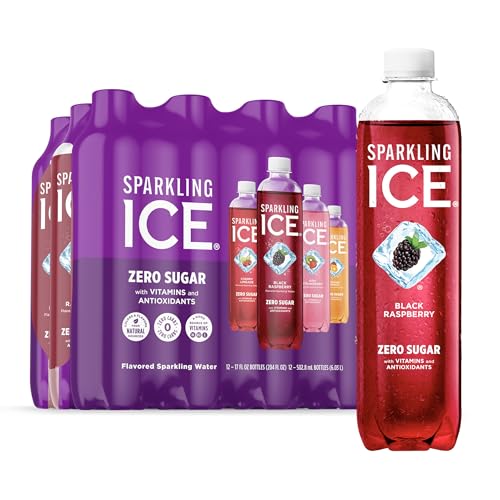
Sparkling Ice
Sparkling Ice Purple Variety Pack, Flavored Water,…
- FLAVOR VARIETY: Includes an assortment of four of your fave flavors
- VITAMINS + ANTIOXIDANTS: Sparkling Ice is made with vitamins B6, B12, and E, plus antioxidants from natural sources, to keep your…
- ZERO SUGAR: And none of that aspartame nonsense, neither
If you’re stocking up, the Sparkling Ice Purple Variety Pack gives you four flavors in one case, so you can sample Black Raspberry, Cherry Limeade, Orange Mango, and Kiwi Strawberry before committing to a full case of one flavor. It’s a practical way to figure out which one you’ll actually crave.

Yes, Sparkling Ice Contains Sucralose — But Here’s the Full Picture
Sparkling Ice uses sucralose as its primary sweetener. That’s not a secret; it’s printed right on the label. Each 17-ounce bottle contains 40 milligrams of sucralose. For context, a standard can of Diet Coke has about 57 milligrams of aspartame. Sucralose is roughly 600 times sweeter than sugar, so a tiny amount goes a long way.
The brand also markets itself as having “none of that aspartame nonsense,” which is true. But that phrasing implies sucralose is somehow cleaner or more natural. It’s not. Sucralose is a synthetic compound made by chlorinating sugar molecules. It’s calorie-free, but it’s still a lab-created chemical. That doesn’t make it dangerous, but it does mean you shouldn’t pretend it’s a whole-food ingredient.
What about the other sweeteners? Sparkling Ice doesn’t use stevia or monk fruit. It’s sucralose, plus a small amount of natural flavors to round out the taste. If you’re avoiding sucralose specifically, this brand isn’t for you.
What 40 Milligrams of Sucralose Actually Does to Your Body
The FDA’s acceptable daily intake for sucralose is 5 milligrams per kilogram of body weight. For a 150-pound person, that’s about 340 milligrams per day. One bottle of Sparkling Ice gives you 40 milligrams, so you’d need to drink eight and a half bottles in a single day to hit the limit. Nobody does that.
But the real question isn’t toxicity — it’s metabolic effect. Some studies suggest sucralose can alter gut bacteria or trigger an insulin response in certain people. The evidence is mixed. A 2026 study in Nature found that sucralose affected glucose tolerance in mice, but human studies have shown inconsistent results. Some people report blood sugar spikes after drinking it; others see no change at all.
Here’s my honest take: if you’re metabolically healthy and drink one or two bottles a day, the sucralose is probably not your biggest health concern. If you’re diabetic or prediabetic, test your blood sugar after drinking one and see how your body responds. That’s the only way to know for sure, because individual reactions vary wildly.
The bigger issue is what sucralose isn’t doing. It doesn’t provide energy, it doesn’t feed your brain, and it doesn’t satisfy sugar cravings the way real sugar does. Some people find that drinking sweet-tasting zero-calorie beverages makes them crave more sweets later. That’s a behavioral effect, not a chemical one, but it’s worth paying attention to.
Is Sparkling Ice Healthier Than Diet Soda? The Honest Comparison
Most people assume Sparkling Ice is a healthier alternative to Diet Coke or Diet Pepsi. In some ways, it is. In others, it’s not. Let’s compare them side by side.
| Aspect | Sparkling Ice (17 oz) | Diet Coke (12 oz) | Regular Soda (12 oz) |
|---|---|---|---|
| Sweetener | Sucralose (40 mg) | Aspartame (57 mg) | Sugar (39 g) |
| Calories | 5 | 0 | 140 |
| Carbohydrates | 0-1 g | 0 g | 39 g |
| Vitamins | B6, B12, E, plus antioxidants | None | None |
| Carbonation | Light, sparkling water style | Heavy, sharp | Heavy, sharp |
| Acidity (pH) | Around 3.5 | Around 2.5 | Around 2.5 |
The pH difference matters more than most people realize. Diet Coke is significantly more acidic than Sparkling Ice, which means more enamel erosion over time. Sparkling Ice is still acidic — it’s not water — but it’s gentler on your teeth.
The vitamins are a nice touch, but don’t overthink them. You’re getting a small fraction of your daily B vitamins, not a meaningful supplement dose. It’s better than nothing, but it’s not a multivitamin replacement.
One thing I’ll say honestly: Sparkling Ice tastes sweeter than diet soda to me. The sucralose has a lingering sweetness that some people love and others find cloying. If you’re used to the sharp bite of aspartame, the mouthfeel here is noticeably different. It took me a few bottles to get used to it.
Common Misconceptions About Sucralose and Sparkling Ice
Misconception #1: Sucralose Is Basically Poison
No. The doses in real beverages are far below any established toxicity threshold. The studies that link sucralose to health problems typically use doses far higher than what a human would consume. That doesn’t mean it’s a health food, but it’s not a toxin either.
Misconception #2: Sparkling Ice Is Sugar-Free, So It’s Automatically Healthy
Zero sugar doesn’t equal zero consequences. The acidity can still affect your teeth, and the artificial sweetener can still trigger cravings in some people. It’s a better choice than regular soda, but it’s not a substitute for water.
Misconception #3: The “Natural Flavors” Make It Clean
“Natural flavors” is a loose term. It can include a wide range of compounds, some of which are heavily processed. It’s not a red flag, but it’s also not a purity seal. If you want a drink with zero mystery ingredients, this isn’t it.
Misconception #4: Sucralose Causes Cancer
This myth persists despite decades of research showing no link. The studies that raised concerns in the 1970s were based on extremely high doses in rats, and subsequent research hasn’t confirmed the findings in humans. Regulatory agencies worldwide, including the FDA and the European Food Safety Authority, consider sucralose safe at current usage levels.
Frequently Asked Questions
Does Sparkling Ice have any sugar at all?
No. The label says zero sugar, and that’s accurate. Each bottle has 5 calories, which come from the natural flavors and the small amount of juice concentrate used for flavoring. The carbohydrate count is essentially zero.
Is sucralose worse than aspartame?
Neither is “worse” in a meaningful sense. Both are approved sweeteners with decades of safety data. The main difference is taste and aftertaste. Some people find sucralose sweeter and more lingering, while aspartame has a quicker, sharper sweetness. Your preference is a matter of palate, not health.
Can I drink Sparkling Ice on a keto diet?
Yes. With zero carbs and 5 calories, it won’t kick you out of ketosis. The sweetener doesn’t spike blood sugar in most people, though individual responses vary. If you’re strict about artificial sweeteners, you might want to test your ketones after drinking one.
Does Sparkling Ice dehydrate you?
No. The caffeine content is minimal or nonexistent depending on the flavor, and the water content hydrates you normally. The carbonation doesn’t dehydrate you, and the sucralose has no diuretic effect. It’s not a replacement for plain water, but it counts toward your fluid intake.
Is Sparkling Ice safe for kids?
Generally, yes. The FDA has approved sucralose for all age groups. But kids don’t need artificial sweeteners, and the acidity isn’t great for developing teeth. If your kid drinks one occasionally, it’s not a big deal. If they’re drinking it daily, I’d steer them toward water or milk instead.
What You Should Actually Do With This Information
Here’s the bottom line, stripped of hype and fear-mongering:
- Sparkling Ice contains 40 mg of sucralose per bottle — a safe, approved amount that’s well below daily limits.
- It’s a better choice than regular soda because it has zero sugar and lower acidity, but it’s not water.
- If you’re diabetic, test your blood sugar response individually — don’t rely on generalizations.
- The vitamins are a minor bonus, not a reason to drink it for nutrition.
- Your teeth still face acid exposure, so rinse with water afterward or drink it with a meal.
- If artificial sweeteners give you cravings, this drink may not help your diet goals, even though it’s calorie-free.
- Read the label every time — flavors change, and some limited editions may have different sweetener blends.
If you want to dig deeper into the full ingredient breakdown, check out this ingredients guide for Sparkling Ice. And if you’re curious about how it compares to tea-based drinks, this green tea comparison covers that angle.
At the end of the day, Sparkling Ice is a flavored sparkling water with an artificial sweetener. It’s not a health tonic, and it’s not a poison. It’s a middle-ground beverage that can help you cut back on sugar without feeling deprived. Just don’t fool yourself into thinking you’re drinking something pure and natural. You’re not, and that’s okay — as long as you know what you’re choosing.


