Does Lime Juice Stop Your Period? The Truth Revealed
On this page 9 sections
- Does Lime Juice Actually Stop Your Period? (The Short Answer)
- Why This Myth Exists (And Why It’s Dangerous)
- How Your Period Actually Starts and Stops
- What Lime Juice Can Do to Your Body
- The 3 Myths Debunked (Hormone Switch, Acid Tightening, Blood Thickening)
- Safe Ways to Reduce or Delay Flow (That Actually Work)
- What Actually Works — A Comparison Table
- Red Flags: When to See a Doctor Immediately
- The Bottom Line: What to Do If You Need Relief This Week
You’re three days into a camping trip, or maybe it’s the morning of a beach vacation, and your period shows up early. Someone at work swears lime juice will stop it. A TikTok video says the same. You squeeze half a lime into warm water, drink it, and wait. Nothing happens, or worse, the flow gets heavier.
This article walks through what lime juice can and cannot do to your menstrual cycle, why the myth persists, and what medical options actually reduce or delay bleeding. You’ll leave with a clear plan and a list of red flags that warrant a doctor’s visit.

ReaLemon
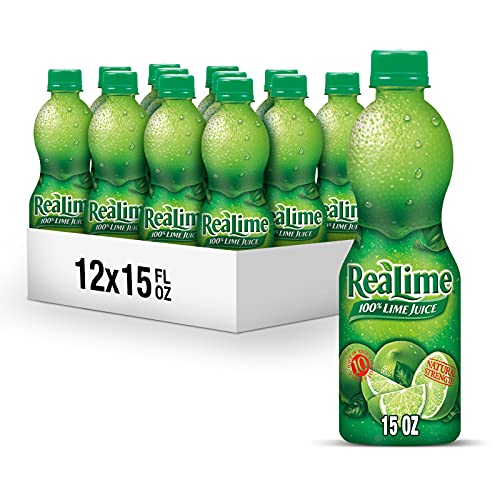
ReaLime, 100% Lime Juice, 8 Fl Oz…
- One 8 fluid ounce bottle
- 100% lime juice from concentrate
- Great for use in recipes, meat marinades, and salads
If you want a convenient way to keep lime juice on hand for cooking or drinks (not for period tricks), a bottle like ReaLime 100% Lime Juice saves you from squeezing fresh limes every time. It’s shelf-stable and works fine in marinades or salad dressings.

Does Lime Juice Actually Stop Your Period? (The Short Answer)
No. Lime juice does not stop your period, and no amount of acidity or vitamin C will change that. The idea sounds plausible because lime juice is acidic and contains vitamin C, but your menstrual bleeding is controlled by hormones, not by what you drink.
Your period happens when estrogen and progesterone levels drop, signaling the uterine lining to shed. That process takes days and involves the physical breakdown of tissue. A glass of lime juice cannot reverse or pause that hormonal cascade once it’s started.
Some people report that lime juice seems to reduce flow or shorten their period. Those reports are almost always coincidence, placebo, or a normal variation in cycle length. Menstrual flow naturally varies from month to month, so it’s easy to credit the lime for something that would have happened anyway.
Why This Myth Exists (And Why It’s Dangerous)
The myth likely comes from two sources. First, vitamin C has a mild diuretic effect, which can make you feel less bloated and might slightly reduce the water content of menstrual fluid. Second, some old folk remedies used high doses of vitamin C to induce a late period, which got conflated with stopping one.
The danger is that people delay real medical care while chugging lime juice. If you’re bleeding heavily or have an underlying condition like fibroids or a bleeding disorder, waiting a few days on a home remedy can be genuinely risky. Heavy bleeding can cause anemia, fatigue, and dizziness.
There’s also a physical risk. Drinking large amounts of concentrated lime juice irritates your stomach lining and esophagus. The citric acid can trigger heartburn, nausea, or even vomiting. Downing a whole bottle in one sitting is a recipe for a miserable afternoon, not a stopped period.
How Your Period Actually Starts and Stops
To understand why lime juice fails, you need a quick biology refresher. Your menstrual cycle runs on a feedback loop between your brain, ovaries, and uterus.
The Role of Hormones vs. Uterine Muscle
In the first half of your cycle, estrogen builds up the uterine lining. After ovulation, progesterone takes over to stabilize that lining. If pregnancy doesn’t happen, both hormones drop sharply. That drop triggers the release of prostaglandins, which make the uterine muscle contract and shed the lining.
Stopping a period mid-flow would require either maintaining progesterone levels or blocking prostaglandins entirely. Lime juice contains neither progesterone nor any compound that mimics it. The acidity does nothing to the uterine lining, and vitamin C in food amounts has no meaningful effect on hormone levels.
Delaying a period is a different story. That requires keeping progesterone levels elevated past the usual point, which is what birth control pills do when you skip the placebo week. No food or drink can do that reliably.
What Lime Juice Can Do to Your Body
Let’s be fair: lime juice isn’t useless. It’s a decent source of vitamin C, adds flavor to water, and might help with hydration. But its effects on your period are indirect at best and unpleasant at worst.
Vitamin C, Acidity, and Your Stomach
High doses of vitamin C (1,000 mg or more) can shorten the luteal phase in some women, which might make a period come a day or two early. But that’s not the same as stopping it. And the amount of vitamin C in a lime is tiny, around 20 mg per fruit. You’d need to drink dozens of limes’ worth of juice to reach a dose that might have any hormonal effect, and that much citric acid would wreck your stomach first.
The acidity of lime juice can also change vaginal pH if you’re using it topically, which is a terrible idea. That can lead to irritation, yeast infections, or bacterial vaginosis. Do not put lime juice anywhere near your vagina.
The ‘Rebound Bleed’ Risk
Here’s a scenario that actually happens. Someone drinks a lot of lime juice, feels a bit dehydrated, and their flow seems to lighten for a day. They celebrate. Then the next day, the bleeding comes back heavier than before. That’s not the lime working. It’s a normal fluctuation, but it feels like a rebound effect.
Dehydration can slightly reduce blood volume, which might temporarily lighten flow. But your body will rehydrate, and the uterine lining is still shedding. The bleeding resumes. This false pattern is why the myth persists.
The 3 Myths Debunked (Hormone Switch, Acid Tightening, Blood Thickening)
- Myth 1: Lime juice switches off hormones. No. Hormone production happens in the ovaries and pituitary gland. Lime juice has zero effect on those pathways. It doesn’t contain estrogen, progesterone, or anything that blocks them.
- Myth 2: Acid tightens the cervix or uterus. Your cervix doesn’t work like a drawstring. Acidic drinks don’t reach your uterus, and even if they did, the cervix doesn’t respond to pH changes that way. The uterus contracts due to prostaglandins, not citrus.
- Myth 3: Lime juice thickens your blood. This one is backwards. Vitamin C actually supports blood vessel health and can thin blood slightly in high doses. It does not make blood thicker or slow bleeding. If anything, a massive dose could theoretically worsen bleeding in someone with a bleeding disorder.
Safe Ways to Reduce or Delay Flow (That Actually Work)
If you need your period to be lighter or delayed for an event, there are evidence-based options. They require planning, but they work.
NSAIDs (Ibuprofen) — Dosage and Timing
Ibuprofen (Advil, Motrin) reduces prostaglandin production, which can cut menstrual flow by 20-40%. The key is timing. You need to start taking it a day or two before your period begins, or at the very first sign of bleeding, and continue every 6-8 hours at a full dose (400-600 mg) for the first few days.
That’s a lot of ibuprofen, so don’t do it without checking with a doctor if you have stomach issues, kidney problems, or take blood thinners. It’s not a perfect solution, but it’s the most accessible option that has real data behind it.
Tranexamic Acid (Prescription)
This medication helps blood clot more effectively and can reduce heavy bleeding by up to 50%. You take it only on the days you’re bleeding, usually 2-3 times a day. It requires a prescription, so you’ll need to see a gynecologist or primary care provider. It’s not for everyone, but it’s a solid option if ibuprofen isn’t enough.
Continuous Birth Control Pills
If you’re on combination birth control pills, you can skip the placebo week and start the next pack immediately. That delays your period for as long as you keep skipping. Many brands are actually designed for this. Talk to your doctor about a prescription that gives you 12 weeks of active pills followed by one week off.
This is the only reliable way to delay a period. It doesn’t work for everyone, and you might experience breakthrough spotting, but it’s far more effective than any home remedy.
What Actually Works — A Comparison Table
| Method | How It Works | Effectiveness | Time Needed | Prescription? |
|---|---|---|---|---|
| Lime juice | No known mechanism | None | N/A | No |
| Ibuprofen (NSAIDs) | Blocks prostaglandins | Reduces flow by 20-40% | Start 1-2 days before period | No |
| Tranexamic acid | Helps blood clot | Reduces heavy bleeding by up to 50% | Start on day 1 of period | Yes |
| Continuous birth control | Keeps progesterone levels steady | Delays period indefinitely | Start at beginning of pack | Yes |
Red Flags: When to See a Doctor Immediately
Some bleeding patterns are not normal. If you experience any of the following, skip the lime juice and call a doctor right away:
- Bleeding through a pad or tampon every hour for more than 2 hours straight
- Passing clots larger than 1 inch in diameter
- Bleeding that lasts more than 7 days
- Severe pain that doesn’t respond to ibuprofen
- Dizziness, shortness of breath, or fainting
These could indicate a miscarriage, ectopic pregnancy, fibroids, or a bleeding disorder. Home remedies won’t help, and delaying care could make things worse.
The Bottom Line: What to Do If You Need Relief This Week
Here’s your action plan, depending on where you are in your cycle.
- If your period is due in 2+ days: Start ibuprofen now, and call your doctor about continuous birth control if you want a long-term solution.
- If your period just started: Start ibuprofen immediately if you can take it. It won’t stop bleeding, but it will lighten it.
- If your period is already heavy: Don’t try to stop it. Use appropriate products, stay hydrated, and monitor for red flags.
- Skip the lime juice entirely. It won’t help, and it might upset your stomach.
- Track your cycle with an app so you can plan ahead for events next month.
- If you’re a teen and your period is irregular, that’s normal for the first few years. But if you’re soaking through pads hourly, tell a parent or see a doctor.
- Remember that a healthy period is a sign your hormones are working. Trying to suppress it with folklore just adds stress to your body.
For more on how citrus juices compare in other contexts, see substituting lime for lemon or check bottled vs fresh juice benefits. But for your period, trust medical science over kitchen remedies.