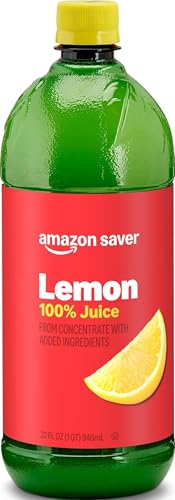
You’re in the middle of a canning recipe, ready to preserve that beautiful batch of tomatoes or make a tangy salsa. Suddenly, you realize you’re out of lemon juice. A bottle of lime juice is sitting right there in your fridge. It seems like a simple swap, right? Both are tart, citrusy, and acidic. But in the world of home canning, this isn’t just a culinary choiceit’s a critical food safety decision.
The question of whether you can substitute lime juice for lemon juice in canning cuts straight to the heart of safe preservation. The answer isn’t a simple yes or no. It hinges entirely on the science of acidity and the non-negotiable rules designed to protect you from serious foodborne illness. For consistent, reliable results, many experienced home canners rely on precise tools. For instance, to ensure you’re working with the purest, most consistent citrus juice, you might consider using a high-quality juicer like the Viva Doria 100, which efficiently extracts maximum juice from both lemons and limes, giving you a clear starting point for any substitution considerations.

The Critical Role of Acidity in Safe Canning
Canning is a battle against invisible threats. The most dangerous is Clostridium botulinum, a bacterium that produces the deadly botulinum toxin. This organism thrives in low-oxygen, low-acid environmentsexactly the conditions inside a sealed jar of improperly canned food. The toxin it produces causes botulism, a severe illness that can lead to paralysis and even death.
Your primary weapon against this threat is acid. A high enough pH level (low acidity) creates an environment where Clostridium botulinum spores cannot germinate and produce toxin. This process is called acidification. When you add lemon juice to a canning recipe, you’re not just adding flavor. You are scientifically altering the food’s chemistry to make it safe for shelf storage. This is why following a tested recipe from a trusted source like the USDA or the National Center for Home Food Preservation is non-negotiable. These recipes have been laboratory-tested to ensure the final product reaches a safe, stable pH of 4.6 or below.
Lemon vs. Lime Juice: A Scientific Acidity Comparison
So, are they interchangeable? To answer that, we need to look at their acid content. The key measure is pH, where lower numbers mean higher acidity. Most commercially bottled lemon juice has a standardized pH of around 2.3 to 2.6. This consistency is why it’s the gold standard in canning recipesyou know exactly what you’re getting.
Lime juice is more of a wild card. Its acidity can vary significantly based on the type of lime:
- Persian (Tahiti) Limes: These are the common green limes found in most supermarkets. Their juice is generally slightly less acidic than lemon juice, with a pH typically ranging from 2.4 to 2.8.
- Key Limes: Smaller and yellower, Key limes are often more acidic, sometimes matching or even surpassing the acidity of some lemons.
This variability is the core problem. Your bottle of lime juice or the limes from your tree might be acidic enough, but can you be 100% certain? In canning, “probably” isn’t good enough. The stakes are simply too high. If you’re ever out of lime juice for a different culinary application, knowing what you can substitute for lime juice in cooking or drinks is useful, but the rules for preservation are much stricter.
Official Guidelines: What Food Safety Authorities Say
Major food safety organizations are unequivocal on this point. They do not consider lime juice a safe, like-for-like substitute for lemon juice in canning recipes. The USDA’s Complete Guide to Home Canning and the National Center for Home Food Preservation specifically recommend bottled lemon juice for its predictable 5% acidity. They do not provide equivalent volumes for lime juice because its acidity is not standardized.
These guidelines exist for a reason. They are based on decades of research into the prevention of botulism and other spoilage organisms. Deviating from them by using an unapproved acidifier introduces an unknown variable into a scientifically precise process. It’s a risk you should not take.
Risks of Substitution: Botulism and Spoilage
What happens if you use lime juice when lemon juice is specified? You are gambling with two potential outcomes, both bad.
- Botulism Risk: If the lime juice isn’t acidic enough to bring the entire jar’s contents below pH 4.6, you could create an environment where C. botulinum can grow. The jar might look, smell, and taste perfectly normal, but contain a lethal neurotoxin.
- Spoilage: Even if botulism isn’t a concern, an incorrect pH can allow molds, yeasts, and less dangerous bacteria to flourish. This leads to obvious spoilagecloudy liquid, seeping lids, off-odors, and visible mold. While this might seem like a “safer” failure mode because it’s visible, it still means wasted food, effort, and resources.
The process is designed to eliminate guesswork. It’s worth noting that the role of acid is so specific that even common household acids like lemon juice should never be used for purposes outside their scope, such as attempting to neutralize bleach with lemon juice, which is ineffective and dangerous.
Safe Alternatives and Best Practices
You’re out of lemon juice. Now what? Don’t reach for the lime bottle. Instead, choose one of these safe, approved alternatives to ensure your preservation efforts are successful and secure.
- Bottled Lemon Juice: This is the first and best choice. Its standardized 5% citric acid content is what canning recipes are built around. Brands like Ball and Kerr offer it specifically for home canning.
- Food-Grade Citric Acid Powder: This is a pure, potent, and highly reliable acidifier. It’s a fantastic pantry staple for canners. Use teaspoon of citric acid powder per pint jar ( tsp per quart) as a direct substitute for the acidifying effect of two tablespoons of bottled lemon juice. It won’t add flavor, which can be a benefit or a drawback depending on your recipe.
- Vinegar (5% Acidity): White distilled vinegar is a safe acidifier. However, it will impart a sharp, tangy flavor that may not be desirable in all recipes. If substituting, use it in the same amount as the lemon juice called for, but be prepared for a pronounced vinegar taste.
A Step-by-Step Guide for Testing Acidity If You Must Substitute
While not recommended for beginners, if you are an experienced canner determined to use fresh lime juice (perhaps from a homegrown tree for a specific recipe you are developing), you must verify its acidity. This is the only way to approach substitution responsibly.
- Juice Your Limes: Use a reliable juicer to extract the juice. Strain it to remove pulp.
- Test the pH: Use calibrated pH Test Strips or a digital pH meter. You are looking for a pH reading of 2.3 to 2.6 to match commercial lemon juice.
- Test the Final Product: This is the most critical step. After preparing your recipe exactly as you intend to can it (including all ingredients), blend a small sample thoroughly and test its pH. The entire mixture must be at or below pH 4.6.
- Process Correctly: Even with a safe pH, you must still use the proper jar, headspace, and processing time for your food type and jar size.
This method is for recipe development only, not for altering existing tested recipes. The science of food safety is always evolving, and staying informed through reputable sources is key. For a deep dive into the nutritional and biochemical profiles of fruit juices, which underpin their preservation qualities, you can review comprehensive scientific literature, such as the research compiled in this analysis of fruit juice composition and health implications.
Flavor vs. Safety: Managing Your Expectations
Let’s address the elephant in the room: flavor. You might be considering lime juice because you prefer its taste. In safe canning, safety always trumps flavor. However, you have options:
- Use the required amount of bottled lemon juice or citric acid to guarantee safety.
- Then, add a small amount of fresh lime juice just before serving the preserved food. This gives you the lime flavor you want without compromising the jar’s safety during storage.
This two-step approach separates the non-negotiable safety function (acidification) from the customizable flavor function. It’s the smart, safe way to get the best of both worlds.
Canning is a rewarding way to preserve the harvest and create pantry staples you can trust. That trust is built on a foundation of precise science. While lime juice and lemon juice are cousins in the kitchen, they are not twins in the canning jar. Your safest path is to follow tested recipes to the letter, using the specified acidifiers. When in doubt, choose bottled lemon juice or citric acid powder. They are inexpensive, readily available, and most importantly, they provide the guaranteed acidity that keeps your homemade preserves both delicious and safe for everyone at your table.