Say you want to add the juice of one lime to your daily water or recipe but wonder how much liquid that actually is. Knowing the typical amount helps you measure accurately for cooking, drinks, or health reasons.
Understanding the acidity, sugar content, and how fresh lime juice compares with bottled options can guide your choices, especially if you have kidney issues, acid reflux, or are watching sugar intake.
Juice Yield From One Lime
The juice of one lime typically yields about 1 to 1.5 tablespoons (15 to 22 milliliters) of fresh juice. This is the amount you get when you squeeze a medium-sized lime that’s ripe and juicy.

The exact volume depends on several factors. Larger limes naturally have more juice, while smaller or underripe ones yield less. The ripeness also matters: a lime that’s softened slightly but not mushy tends to give the most juice.
Measuring lime juice accurately is easiest with a small liquid measuring spoon or a kitchen scale set to grams or milliliters. Pour the juice slowly into the measuring tool to avoid spilling and to get an exact reading.
For recipes, knowing you need about 1 to 1.5 tablespoons of lime juice per lime helps you scale quantities without guessing. If you don’t have fresh limes handy, bottled lime juice is an option; however, keep in mind that the volume of juice in a bottle that equals one fresh lime can vary by brand and concentration. Generally, 1 tablespoon of bottled lime juice approximates the juice of one fresh lime, but the flavor and acidity may differ.
| Lime Size | Typical Juice Yield |
|---|---|
| Small (2 inches) | About 1 tablespoon (15 ml) |
| Medium (2.5 inches) | 1 to 1.5 tablespoons (15 to 22 ml) |
| Large (3 inches or more) | Up to 2 tablespoons (30 ml) |
What Does Lime Juice Contain? Sugar, Acidity, and Potassium
Lime juice does contain sugar, but only a very small amount—about 1 gram per tablespoon. That means the juice of one lime, which yields around 1 to 1.5 tablespoons, has roughly 1 to 1.5 grams of sugar total. This low sugar content makes lime juice a good choice if you’re watching your sugar intake.
Lime juice is quite acidic, with a typical pH around 2 to 2.5. This level of acidity is similar to other citrus juices and can irritate sensitive tissues. If you have acid reflux or a sore throat, the acid in lime juice may cause discomfort or worsen symptoms by increasing irritation in your esophagus or throat lining.
Potassium is another key nutrient in lime juice. One tablespoon carries about 30 to 40 milligrams of potassium. While that’s not a large amount compared to other foods, it matters if you have kidney disease or take medications that affect potassium levels. In those cases, the potassium from lime juice adds to your daily total, which you may need to monitor carefully.
| Nutrient | Amount |
|---|---|
| Sugar | ~1 gram |
| Acidity (pH) | 2.0 to 2.5 |
| Potassium | 30 to 40 mg |
Knowing these details helps you decide if and how much lime juice to include in your diet. The acidity explains why lime juice can sting when your throat is sore or your stomach is sensitive. The sugar is low enough for most people to enjoy without raising blood sugar significantly. Potassium is modest but should be considered if your kidneys filter less potassium or your doctor has set limits.

Who Should Limit Lime Juice Intake
Lime juice is not recommended without caution for people with chronic kidney disease (CKD). It contains potassium and acid, both of which these patients need to monitor closely. Excess potassium can build up when the kidneys don’t filter well, potentially causing dangerous heart rhythms.
For those with CKD, lime juice should be limited based on their stage of kidney function and dietary potassium targets. A typical tablespoon of lime juice has about 30 mg of potassium, a modest amount, but it adds up quickly if you use several tablespoons daily.
Lime juice’s acidity can worsen symptoms in people with acid reflux or gastroesophageal reflux disease (GERD). Its sharp citrus acid may irritate the esophagus and throat, triggering heartburn or sore throat sensations. If you notice discomfort soon after drinking lime juice, it’s best to reduce or avoid it.
People prone to mouth sores or sensitive oral mucosa may find lime juice aggravates irritation or causes a burning feeling. The acid content can inflame already tender tissue, especially if consumed undiluted or frequently.
Certain medications may interact with lime juice’s acids or potassium content. For example, potassium-sparing diuretics elevate potassium levels, so adding acidic, potassium-containing drinks like lime juice could increase risk. If you take such medications, check with your healthcare provider before adding lime juice regularly.
Differences Between Fresh and Bottled Lime Juice
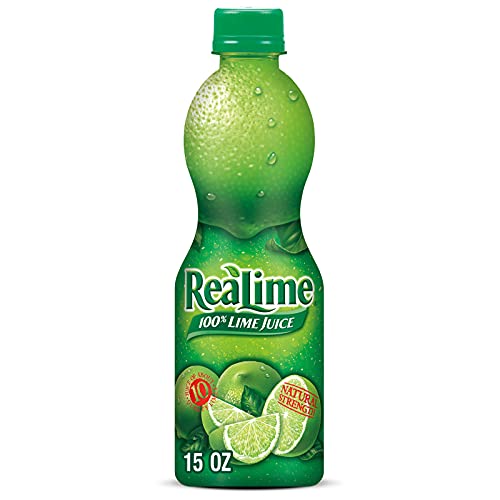
A single fresh lime typically yields about 1 to 1.5 tablespoons (15 to 22 ml) of juice. Bottled lime juice usually matches this volume more precisely by the tablespoon but lacks the bright, fresh flavor of freshly squeezed juice.
Bottled lime juice often contains preservatives like sodium metabisulfite to extend shelf life, which fresh juice does not have. This can slightly alter taste and may cause reactions in sensitive individuals. Fresh juice has a more vibrant aroma and flavor but spoils quickly.
Shelf life for bottled lime juice unopened is several months to a year refrigerated, while fresh lime juice lasts only a few days in the fridge before losing quality and safety. Bottled juice is practical for cooking or cocktails when fresh limes aren’t available or convenient.
| Type | Volume Equivalent | Flavor | Shelf Life | Ingredients |
|---|---|---|---|---|
| Fresh Lime Juice | 1 to 1.5 tbsp per lime | Bright, fresh, vibrant | 2-3 days refrigerated | 100% lime juice |
| Bottled Lime Juice | About 1 tbsp per tablespoon | Milder, less fresh | Several months unopened refrigerated | Lime juice, preservatives, sometimes added sodium |
To replace the juice of one fresh lime, use about 1 tablespoon of bottled lime juice. For two limes, double that to 2 tablespoons. Adjust recipes slightly if you want a fresher taste.
Bottled lime juice is a helpful alternative when fresh limes are out of season, pricey, or inconvenient. It suits recipes where acidity is needed but fresh flavor isn’t critical.
How to Use and Store Lime Juice Safely and Effectively
Fresh lime juice is best squeezed just before use to preserve its vibrant flavor and nutrients. Rolling the lime on a countertop with firm pressure before cutting can help you get more juice out of it.

Lime juice adds brightness to drinks like water, tea, or cocktails and enhances marinades for meats and vegetables. A splash in salad dressings or sauces lifts flavors without adding sugar or calories.
People sometimes use a teaspoon of lime juice mixed with warm water and honey to soothe a sore throat. The acidity may help reduce mucus, but avoid it if your throat is raw or very sensitive.
Because lime juice is acidic, overuse can irritate the stomach lining or worsen acid reflux symptoms. Limit intake to small amounts spread throughout the day rather than large doses at once.
What To Do Next With Lime Juice for Your Health and Cooking
Careful measurement matters when adding lime juice to recipes or drinks. Using about 1 tablespoon per serving keeps the flavor balanced and prevents excess acidity.
If fresh limes are out of season or costly, bottled lime juice offers a convenient alternative. Look for options with no added sugars or artificial ingredients to keep it as natural as possible.
Your healthcare provider or dietitian can help you understand how lime juice fits into your diet, especially if you have a new diagnosis or take medications that may interact with citrus.
For more on how much juice one lime yields and practical tips, see our detailed guide on how many ounces of lime juice are in one lime.


