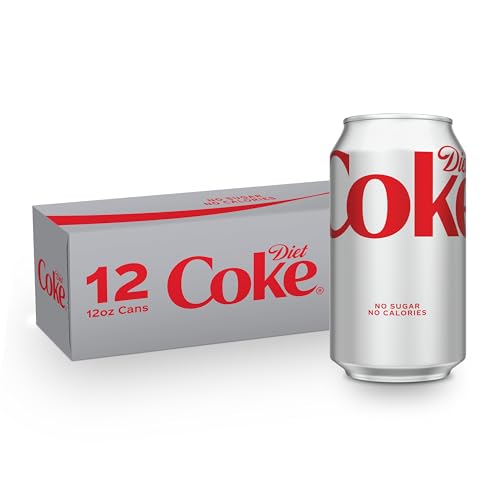
Say you drink one 12-ounce can of Diet Coke daily and notice a burning sensation after about 20 minutes. That’s a common experience for many people with acid reflux or GERD. Understanding why Diet Coke triggers heartburn can help you decide whether to cut back or switch to gentler drinks.
This article explains exactly how Diet Coke’s ingredients affect your esophagus, who should avoid it completely, and safer drink options if you want bubbles without the burn.
Can Diet Coke Cause Heartburn? The Surprising Truth
Yes, Diet Coke can cause heartburn. Its acidity, carbonation, caffeine, and phosphoric acid combine to relax the esophageal valve and irritate the esophagus, triggering that burning sensation.

Diet Coke’s pH ranges from about 2.5 to 3.0, making it quite acidic—similar to orange juice and more acidic than coffee. This acidity can irritate the lining of your esophagus, especially if you already have reflux symptoms.
Each 12 oz can of Diet Coke contains roughly 46 mg of caffeine. Caffeine is known to relax the lower esophageal sphincter (LES), the muscle that prevents stomach acid from coming back up. When the LES relaxes, acid reflux and heartburn become more likely.
The carbonation in Diet Coke adds another layer of risk. Fizzy bubbles increase pressure inside the stomach, which can push acid upward into the esophagus. Carbonation also temporarily lowers LES pressure, further easing the path for reflux.
Phosphoric acid, used for flavor and acidity control in Diet Coke, can worsen the irritation. It contributes to the overall acidity and may delay your stomach’s ability to empty, increasing reflux risk.
Aspartame, the artificial sweetener in Diet Coke, can slow gastric emptying in some people and increase sensitivity to reflux symptoms. This means acid lingers longer in your stomach and esophagus, making heartburn more likely.
Cold Diet Coke can also affect your esophagus. Cold liquids sometimes reduce esophageal motility and cause spasms, which may aggravate heartburn or the sensation of acid indigestion.
If you wonder, “Why is Diet Coke giving me heartburn?” or “Does Diet Coke cause acid reflux?” the answer lies in these combined effects of acidity, caffeine, carbonation, and additives. For many, especially those prone to reflux, Diet Coke can trigger or worsen heartburn.
| Drink | pH (approximate) | Caffeine (mg) |
|---|---|---|
| Diet Coke | 2.5–3.0 | 46 |
| Orange juice | 3.5–4.0 | 0 |
| Brewed coffee | 5.0–6.0 | 95 |
People Who Should Avoid or Limit Diet Coke for Heartburn
People with gastroesophageal reflux disease (GERD) or frequent heartburn should avoid or strictly limit Diet Coke. Its carbonation and acidity relax the lower esophageal sphincter, letting stomach acid back up into the esophagus, which worsens symptoms.
Carbonation itself causes heartburn by increasing pressure in the stomach and irritating the esophageal lining. So drinks like tonic water, which also contain bubbles, can trigger reflux.
If you are sensitive to caffeine or artificial sweeteners, you may react more strongly to Diet Coke. Caffeine stimulates acid production and can irritate the esophagus, while some sweeteners may also cause discomfort or increase reflux symptoms in sensitive individuals.
Cold beverages may worsen symptoms for some people by triggering esophageal spasms or increasing stomach acid production. You might find warm drinks gentler if cold fizzy drinks cause you pain.
People with esophageal motility disorders — conditions that affect the muscular movement in the esophagus — should be cautious with Diet Coke. The acidity and bubbles can aggravate difficulty swallowing or esophageal spasms common in these disorders.
Always follow your personalized medical instructions over general advice. Your healthcare provider knows your specific condition and can guide your drink choices better than general rules.
Safer Fizzy Alternatives for Heartburn-Prone Drinkers
The best juice that doesn’t cause heartburn is usually a low-acid, non-caffeinated option like pear juice or aloe vera juice. These are gentler on the esophagus and less likely to trigger reflux symptoms.

Apple juice can sometimes cause heartburn, depending on your sensitivity and the juice’s acidity. While it’s less acidic than orange juice, it may still bother some people with reflux.
Orange juice is a common trigger because of its high acidity. If you have heartburn, it’s best to avoid citrus juices to reduce esophageal irritation.
Sparkling water with a neutral or near-neutral pH between 4.5 and 5.5 is a safer fizzy alternative. It contains bubbles but lacks the added acids and caffeine that make Diet Coke irritating.
Avoid colas and other sodas that contain phosphoric acid, as this increases acidity and reflux risk. Plain sparkling water or lightly flavored seltzers without added acids are better choices.
For more on acidity and carbonation in drinks, see carbonated drinks and acid reflux and for details on juice choices, apple juice and acid reflux.
Side Effects and How Much Diet Coke Triggers Heartburn
Diet Coke can cause heartburn in many people after drinking just one 12 oz can. This amount often leads to symptoms because of its acidity combined with carbonation and caffeine.
The carbonation increases pressure inside your stomach quite quickly. This pressure can push stomach acid up into the esophagus, triggering that burning sensation.
Caffeine in Diet Coke, at about 40 to 50 mg per 12 oz can, relaxes the lower esophageal sphincter (LES), the valve preventing acid reflux. This relaxation allows acid to escape more easily, causing heartburn symptoms.
Aspartame, the artificial sweetener in Diet Coke, affects people differently. Some tolerate small amounts without symptoms, while others find it worsens their digestive discomfort or heartburn.
Drinking Diet Coke cold can slow the clearing of acid from your esophagus, making heartburn worse or last longer. Warm or room temperature drinks may be gentler if you notice this effect.
| Component | Effect on Heartburn |
|---|---|
| Carbonation | Increases stomach pressure quickly, pushing acid upward |
| Caffeine (40–50 mg) | Relaxes LES valve, letting acid reflux occur |
| Aspartame | May irritate some people depending on sensitivity |
| Cold Temperature | Slows esophageal clearance, prolonging symptoms |
When to Call Your Doctor About Heartburn from Diet Coke
Seek medical attention if chest pain from heartburn persists or worsens despite using antacids. This could signal a more serious issue beyond typical reflux.
Difficulty swallowing or pain when swallowing are signs to contact your healthcare provider promptly. These symptoms may indicate esophagus irritation or injury.
Vomiting blood or noticing black, tarry stools requires urgent evaluation. These signs can mean bleeding in the digestive tract and should not be ignored.
Unintentional weight loss or severe nausea along with heartburn symptoms are red flags. They warrant a thorough medical check to rule out complications.
If new or severe symptoms develop after you start or increase drinking Diet Coke, mention this to your doctor. It may help identify if Diet Coke is the trigger or if other conditions need addressing.