Are Smoothies Good for Ulcerative Colitis? Yes, With Limits
On this page 6 sections
- Smoothies Can Be Good for Ulcerative Colitis with Care
- Safe and Trigger Ingredients for Ulcerative Colitis Smoothies
- How to Introduce and Test Smoothies Safely During a Flare or Remission
- Side Effects and When to Avoid Smoothies with Ulcerative Colitis
- Better Drink Choices for Ulcerative Colitis
- Questions People Ask
Imagine you have ulcerative colitis and want to use smoothies to get calories during a flare. Starting with a small 6 oz banana-water smoothie helps you test tolerance without overwhelming your gut. This approach can support nutrition without worsening symptoms.
Smoothies are popular for their convenience and nutrient boost, but with ulcerative colitis, the right ingredients and portion sizes matter to avoid irritation. This guide explains what works, what to avoid, and how to safely introduce smoothies into your diet. You’ll also find tips on texture, nutrient balance, and when to call your doctor.
Smoothies Can Be Good for Ulcerative Colitis with Care
Smoothies can be safe and helpful for ulcerative colitis if you pick gentle ingredients and prepare them carefully. They break down fiber to a softer form that is easier to digest, but the fiber remains. Avoid ingredients with seeds, skins, or high insoluble fiber during flares to reduce irritation risk.
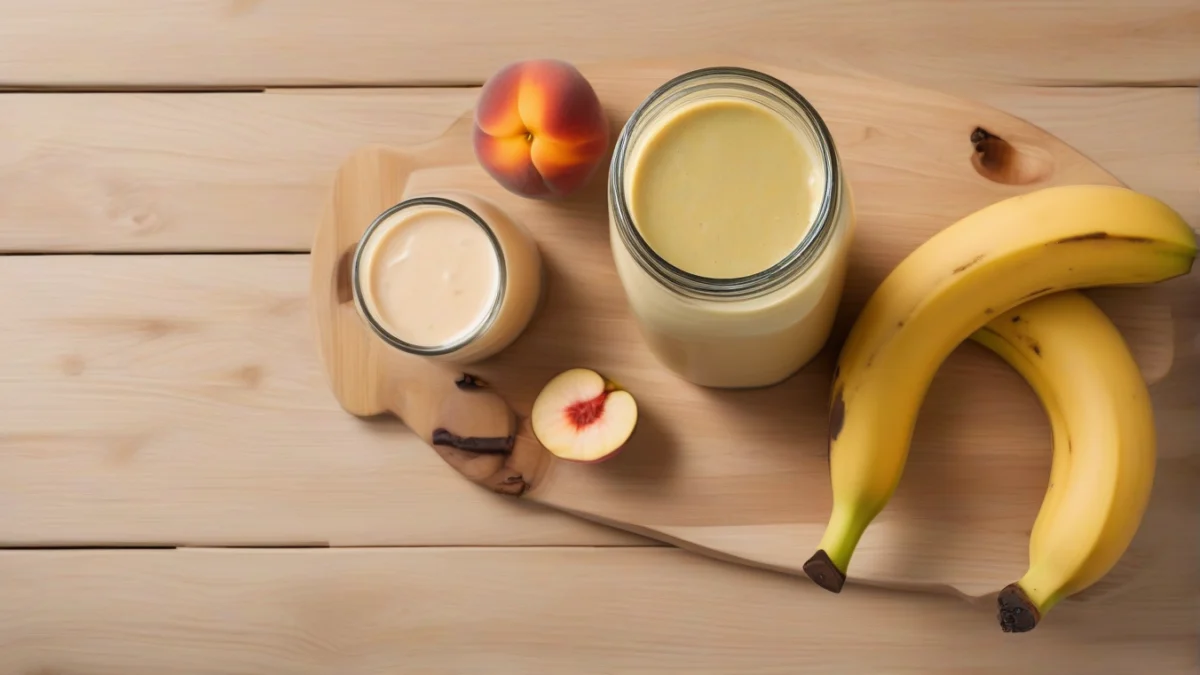
Blending breaks down fiber into smaller, softer pieces, making it easier to digest, but it does not remove fiber completely. This means smoothies still contain fiber, so the ingredients you pick matter a lot to avoid triggering symptoms.
Smoothies can provide calories, protein, and fluids more easily than whole foods, which helps when appetite is low or symptoms limit eating. Choosing nutrient-dense, low-fiber ingredients and gentle liquids supports symptom management and nutrition during flare-ups and remission.
Keeping the texture smooth and creamy helps reduce irritation in an inflamed colon. A 6 to 8 oz portion is a good starting point to test tolerance without overwhelming your digestive system.
Smoothies can also help manage diarrhea by supplying fluids and nutrients in a form that’s easier on your digestive tract. They are especially useful if your appetite is low or eating solid meals feels uncomfortable.
Most people with ulcerative colitis can safely enjoy smoothies if they avoid high-fiber skins, seeds, and harsh additives. Smoothies offer a practical way to support your nutrition and hydration goals during both flare and remission phases.
| Drink | Fiber per serving | Servings | Total |
|---|---|---|---|
| Smoothie with peeled banana and almond milk | 2 g | 1 | 2 g |
Safe and Trigger Ingredients for Ulcerative Colitis Smoothies
Fruits like peeled bananas, peeled pears, and canned peaches without syrup are usually well tolerated. Vegetables should be cooked and peeled if used. Avoid seeds, skins, and fibrous parts that can irritate the colon lining during active inflammation.
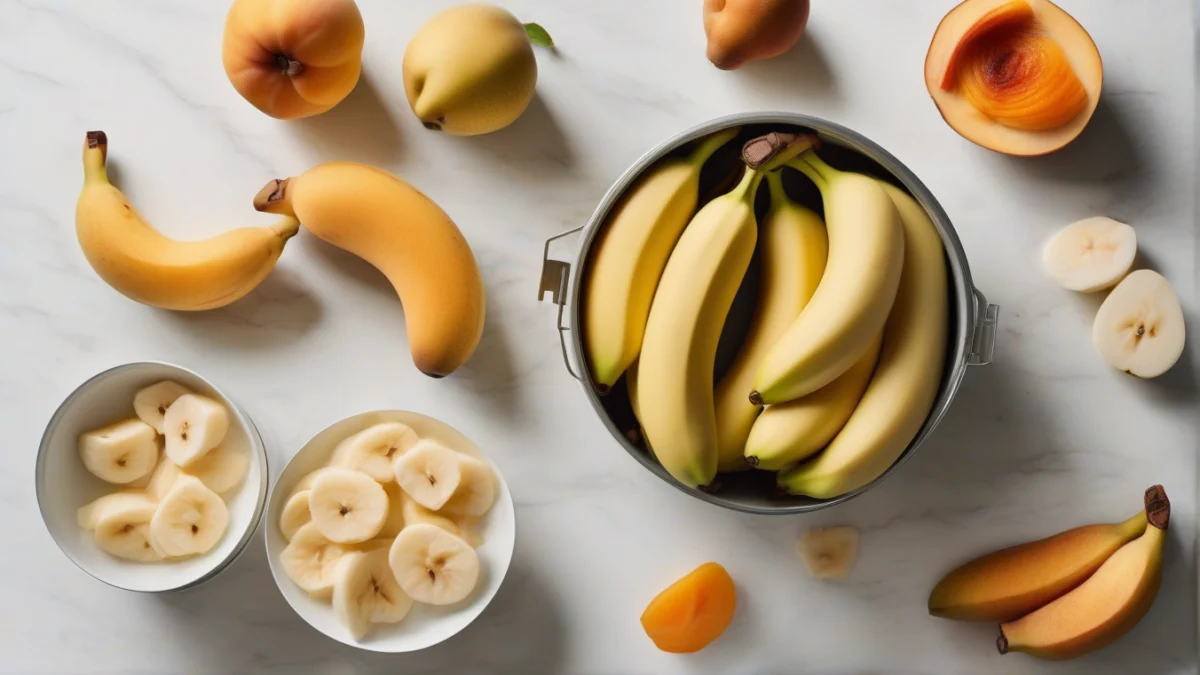
Avoid seeds, skins, and berries with seeds, as well as citrus fruits during flare-ups, since these can irritate your colon. Even a parsley smoothie, often praised for nutrients, might be too harsh during active symptoms due to its fibrous texture.
Gentle vegetables include peeled cucumber and cooked carrots, which blend into a smoother texture that’s easier to digest. Raw fibrous greens such as kale or spinach are best avoided during flares but may be tolerated in small amounts during remission.
Including protein sources such as lactose-free yogurt, Greek yogurt, or plant-based options like tofu or nut butters can boost calories and aid healing. Use gentle liquids like almond milk or water, and avoid sugary juices or dairy if lactose intolerance is a concern.
| Ingredient Type | Safe Options | Avoid During Flares |
|---|---|---|
| Fruits | Ripe banana, peeled pear, cantaloupe | Seeds, skins, berries with seeds, citrus |
| Vegetables | Peeled cucumber, cooked carrots | Raw fibrous greens |
| Liquids | Water, coconut water, lactose-free milks | Lactose-containing dairy, cold liquids |
| Proteins | Lactose-free yogurt, plant protein powders | Regular yogurt with lactose |
| Fats | Small amounts of almond butter or avocado | Large amounts of fatty ingredients |
| Additives | Avoid sugar alcohols, artificial sweeteners | Sugar alcohols, lactose, cold ingredients |
Protein sources like lactose-free yogurt and plant protein powders help you meet your nutrition needs without adding lactose, which can trigger symptoms. Small amounts of healthy fats from almond butter or avocado add calories and texture while being gentle on the gut.
Avoid sugar alcohols and cold ingredients, as they may cause bloating or discomfort. Warm or room-temperature smoothies are often better tolerated.
For symptoms like diarrhea or nausea, smoothies with gentle, low-fiber fruits and hydrating liquids are best. Adjust ingredients to how your body responds, and introduce new ones slowly to find what works for you.
How to Introduce and Test Smoothies Safely During a Flare or Remission
Start with small portions—about 6 to 8 oz of a simple smoothie—and watch for any symptoms. If tolerated, gradually increase serving size and ingredient variety. Blend for at least 60 to 90 seconds to achieve a silky texture that eases digestion.
Use a ‘sip and see’ approach: drink a small amount and wait up to three hours to watch for any symptoms like cramping or diarrhea. Keep a diary of what you try and how you feel to track patterns.
Testing new ingredients one at a time helps identify triggers. Keep a symptom diary to track reactions. If symptoms worsen, pause new ingredients and consult your care team before trying again.
Texture matters. Blend your smoothie for 60 to 90 seconds until silky smooth to make digestion easier. If you notice bits causing discomfort, strain it through a fine mesh to reduce fiber particles.
To preserve a smoothie for later, keep it in an airtight container in the fridge and consume within 24 hours to maintain freshness and reduce bacterial growth.
If diarrhea is present, avoid high-fiber ingredients and focus on low-residue options like peeled bananas or canned peaches. For nausea, cold smoothies may worsen symptoms; try slightly chilled or room temperature versions instead.
 Home Juicing Starter KitMake fresh juice that tastes good, costs less and keeps safely: 40 recipes with exact amounts, a yield chart and a 4-week plan.40 juice, smoothie and shot recipesYield, storage and food-safety chartsCost, yield and shopping-list calculator (Excel)
Side Effects and When to Avoid Smoothies with Ulcerative Colitis
Smoothies are best avoided during severe flare-ups if they contain seeds, skins, or high-fiber ingredients that can worsen inflammation or cause discomfort. Also, watch for added sugars and high-fat dairy that may trigger symptoms in some people.
Large smoothie portions can stretch your stomach, leading to discomfort and reflux, especially if you have acid reflux alongside ulcerative colitis.
If you notice increased abdominal pain, diarrhea with blood, or severe cramping after drinking smoothies, stop and reach out to your healthcare provider. These signs may indicate your current smoothie choices are not suitable or that your condition needs reassessment.
Avoid smoothies during severe flares if even water causes pain or diarrhea. In such cases, clear liquids and medical guidance are best until symptoms improve.
Smoothies might not be the best choice if you have acid reflux, as some ingredients and cold temperatures can worsen symptoms. Smaller portions and avoiding citrus or high-fat dairy can help.
Better Drink Choices for Ulcerative Colitis
When smoothies are not tolerated or you want variety, clear liquids like broths, herbal teas, or electrolyte solutions can keep you hydrated without irritating the gut. Juicing removes fiber and may be easier during flares but lacks protein and some nutrients smoothies provide.
Coconut water offers hydration plus electrolytes like potassium and magnesium, which can help with fluid balance during flare-ups. It’s gentle, but keep servings to about 8 oz to avoid excess sugar.
Mild vegetable juices such as peeled and cooked carrot or cucumber juice can be soothing. Avoid raw juices with seeds or skins that may irritate your colon. Broths—especially homemade low-sodium ones—add fluids and minerals without fiber or acid.
Green smoothies with small amounts of spinach or avocado can be part of remission diets if blended thoroughly and introduced gradually. Avoid raw leafy greens during flares due to their fiber content and potential to irritate.
Juices like celery or cabbage juice are sometimes discussed for ulcerative colitis, but they can be harsh due to fiber and natural compounds; it’s best to approach them cautiously and test in small amounts if at all. Lemon juice is acidic and can worsen symptoms during flares, so it’s generally not recommended then.
Avoid acidic drinks, caffeine, and sugary sodas during active symptoms as they can increase irritation and diarrhea. Focus on hydration with gentle fluids and nutrient support from broths or mild juices instead.
Choosing drinks that add nutrients and ease digestion helps maintain hydration and energy without aggravating your colon. If you’re interested in coconut water’s benefits for ulcerative colitis, see Discover the Healing Powers of Coconut Water for Ulcerative Colitis. For guidance on celery juice, visit Is Celery Juice Good For Ulcerative Colitis and for ginger tea options, see Is Ginger Tea Good for Ulcerative Colitis? Benefits & Risks.