Are Smoothies Healthy for Toddlers? The Complete Guide
On this page 13 sections
- What Counts as a Smoothie for a Toddler?
- The Sugar Question: Whole Fruit vs. Juice
- Portion Size: How Much Is Too Much?
- Nutrient Absorption: The Good News
- When Smoothies Are a Bad Idea
- Building a Balanced Toddler Smoothie
- Practical Tips for Serving
- The Role of Toy Blenders and Pretend Play
- Comparing Smoothies to Other Toddler Snacks
- Age-by-Age Guidance
- Common Mistakes Parents Make
- Frequently Asked Questions
- The Bottom Line on Toddler Smoothies
Most parents ask this question with a blender in one hand and a bag of frozen berries in the other. The honest answer is: it depends entirely on what goes in the cup. A smoothie can be a dense pack of vitamins or a sugar bomb in disguise. This guide walks through the conditions that make smoothies a good choice for toddlers, and the ones that should make you pause.
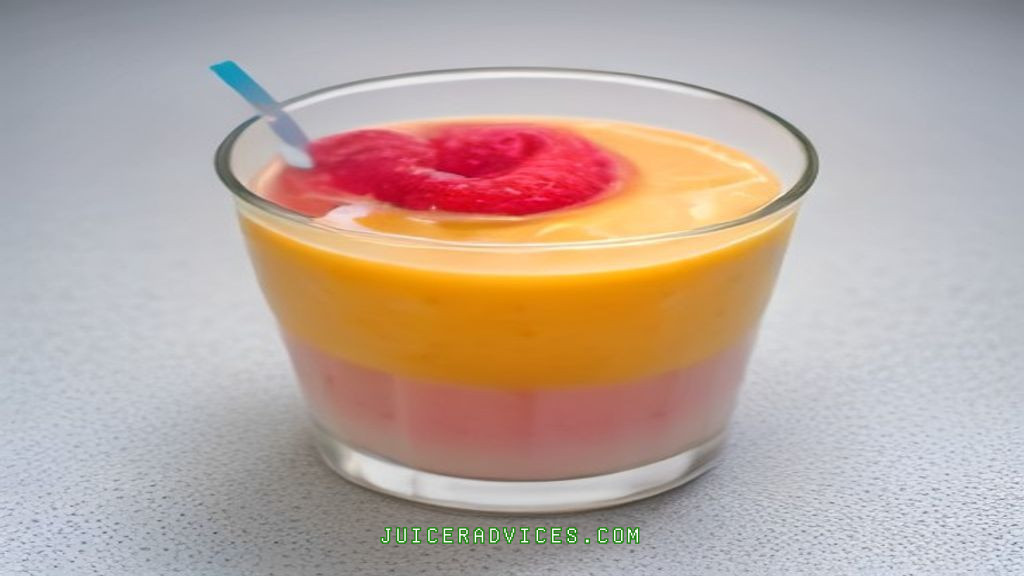
What Counts as a Smoothie for a Toddler?
The first split happens right here. Are we talking about a store-bought smoothie from a cafe, or one you make at home? These are two different foods.
Commercial smoothies often contain fruit juice as a base, sweetened yogurt, and added syrups. A 12-ounce bottle can carry 40 grams of sugar. That is more than a toddler should eat in an entire day.
Homemade smoothies give you complete control. You decide the ingredients, the portion size, and the sugar content. For this guide, assume we are talking about homemade smoothies unless stated otherwise.
The Sugar Question: Whole Fruit vs. Juice
This is the most important condition. Sugar from whole fruit comes packaged with fiber. Fiber slows down sugar absorption and keeps blood sugar levels steady. Juice strips that fiber away.
When you blend whole fruit, you keep the fiber. A smoothie made from whole berries, a banana, and plain yogurt is structurally different from a juice-based smoothie. The fiber changes everything.
But blending still breaks down the plant cell walls. That makes the sugar more available to the body than eating the fruit whole. A blended banana raises blood sugar faster than a sliced banana. It is not a huge difference, but it matters for toddlers who are already prone to blood sugar swings.
The practical answer: use whole fruit, not juice. Limit the total fruit to about one cup per smoothie. That keeps natural sugar in a reasonable range.
Portion Size: How Much Is Too Much?
Toddler stomachs are small. A one-year-old’s stomach holds about one cup of food total. A smoothie that fills a 12-ounce sippy cup is a full meal, not a snack.
For most toddlers, a serving size of 4 to 6 ounces is right. That is about half a cup. Serve it in a small cup or a bowl with a spoon. Let them eat it slowly.
Here is the trap. Smoothies are easy to drink fast. A toddler can down 8 ounces of smoothie in two minutes. That is more calories and sugar than they would eat in twenty minutes of chewing. The speed of consumption matters.
One way to slow things down: serve the smoothie thick, almost like a soft serve. Use frozen fruit and a small amount of liquid. This forces your toddler to eat it with a spoon rather than chug it from a cup.
 Home Juicing Starter KitMake fresh juice that tastes good, costs less and keeps safely: 40 recipes with exact amounts, a yield chart and a 4-week plan.40 juice, smoothie and shot recipesYield, storage and food-safety chartsCost, yield and shopping-list calculator (Excel)
Nutrient Absorption: The Good News
Blending does more than break down fiber. It also breaks down cell walls, which releases nutrients that might otherwise pass through undigested.
Carotenoids, like beta-carotene from carrots and mango, are better absorbed from pureed foods than from raw chunks. The same goes for lycopene from tomatoes. This is a real benefit for toddlers who struggle to chew raw vegetables.
Fat-soluble vitamins A, D, E, and K need fat to be absorbed. If your smoothie is all fruit and water, those vitamins go to waste. Add a source of fat: full-fat yogurt, avocado, a spoonful of nut butter, or even a splash of whole milk.
Iron absorption also improves when paired with vitamin C. A smoothie with spinach (iron) and orange (vitamin C) is a smart combination. The blending process makes this pairing easy and palatable.
When Smoothies Are a Bad Idea
Some conditions make smoothies a poor choice. The first is using smoothies as a replacement for chewing practice. Toddlers need to practice chewing to develop jaw muscles and oral motor skills. If every snack is a drink, they miss that practice.
The second condition is using smoothies to hide vegetables. This sounds helpful, but it can backfire. If your toddler never sees a whole spinach leaf, they never learn to accept it. Research on food preferences shows that repeated exposure to the actual food, not a blended version, builds long-term acceptance.
The third condition is dental health. Smoothies are acidic and sticky. The sugar coats teeth, and the acid erodes enamel. Serve smoothies with a meal, not as a standalone sippy cup that lingers for an hour. Offer water afterward to rinse the mouth.
Building a Balanced Toddler Smoothie
A good toddler smoothie follows a simple formula. Start with a liquid base, add a fruit, add a vegetable, add a fat, and add a protein. Here is what that looks like in practice.
Liquid base: Whole milk, plain yogurt, or water. Avoid juice entirely.
Fruit: One serving, about half a cup. Berries, banana, mango, or peach.
Vegetable: A small handful of spinach, kale, or a few carrot shavings. Keep it mild.
Fat: A quarter of an avocado, a tablespoon of almond butter, or a spoonful of full-fat coconut milk.
Protein: A scoop of plain Greek yogurt, a spoonful of chia seeds, or a splash of milk.
This combination keeps sugar low, adds fiber, and ensures the fat-soluble vitamins actually get absorbed. It is not a dessert. It is a meal.
One thing to watch: nut butters can be a choking hazard for children under four. If you use almond butter, mix it thoroughly into the smoothie. Do not serve it as a lump.
Practical Tips for Serving
Serve smoothies in an open cup or a bowl. A sippy cup with a straw encourages fast drinking. An open cup forces slower sipping.
Make smoothies thick. Use frozen fruit and minimal liquid. A spoonable smoothie is better than a drinkable one.
Introduce smoothies as a snack or part of breakfast. Do not give one within two hours of bedtime. The sugar, even natural sugar, can disrupt sleep in some children.
Watch for allergies. Introduce one new ingredient at a time, especially if you add nuts, seeds, or dairy. Wait three days before adding another new food.
The Role of Toy Blenders and Pretend Play
Your toddler may not be ready to use a real blender, but they can still join the kitchen action. A blender guide for families can help you pick the right appliance for your kitchen, but the child’s own play matters too.
Pretend play with a toy blender helps toddlers understand where smoothies come from. The Check price on Amazon includes 27 pieces: a blender, fruit pieces, cups, straws, and a menu card. Children press the button, watch the fruit rotate, and hear a real blending sound. It mimics the real process without any danger.
This kind of play builds food familiarity. A toddler who pretends to blend a banana and strawberry is more likely to accept a real banana-strawberry smoothie. The toy also teaches social skills when children role-play running a smoothie shop together. It is a clever way to reduce mealtime battles.
The toy is made of ABS plastic and meets ASTM F963 safety standards. It requires two AAA batteries. It is designed for children three years and older. A real observation: the sound is not silent, but it is not annoyingly loud either. It took my daughter a day to figure out the button, and now she makes me a pretend smoothie every morning.
Comparing Smoothies to Other Toddler Snacks
How does a smoothie stack up against common toddler snacks? Here is a quick comparison based on typical homemade recipes.
| Snack Option | Calories (approx.) | Sugar (approx.) | Fiber (approx.) | Key Nutrients |
|---|---|---|---|---|
| Fruit smoothie (8 oz, homemade, no juice) | 150-200 | 15-20 g | 4-6 g | Vitamin C, potassium, calcium |
| Apple slices with peanut butter | 180-220 | 12-15 g | 5 g | Vitamin C, healthy fats, protein |
| Yogurt tube (commercial, flavored) | 80-100 | 10-14 g | 0 g | Calcium, protein |
| Cheese stick with whole-grain crackers | 150-200 | 2-3 g | 2-3 g | Calcium, protein, B vitamins |
The smoothie is not the worst option, but it is not the best either. It carries more sugar than the cheese and crackers, but more fiber than the yogurt tube. The key difference is control. You make the smoothie, so you decide the sugar load.
If you are comparing blenders to make these at home, look for one that does not heat up the drink. High-speed blending can warm the mixture, which changes the texture. A blender that doesn’t heat the drink preserves the cold, fresh taste that toddlers prefer.
Age-by-Age Guidance
Age changes the answer. Here is how to adjust the smoothie approach as your child grows.
6-12 months: Skip smoothies entirely. Babies need to practice chewing and swallowing textured foods. Offer mashed fruit and vegetables instead.
12-24 months: Smoothies are fine as an occasional snack. Keep the portion to 4 ounces. Use whole milk or yogurt as the base. Avoid honey, which carries a botulism risk for infants under one year.
2-3 years: This is the sweet spot. A 4-6 ounce smoothie can be a regular part of breakfast or snack time. Add vegetables and healthy fats confidently.
4-5 years: Increase the portion to 6-8 ounces. Start involving your child in the prep. Let them wash the fruit or push the blender button. This builds ownership and willingness to try new ingredients.
Common Mistakes Parents Make
One mistake is adding sweeteners. Honey, maple syrup, or agave are unnecessary. The fruit already provides sweetness. If your toddler rejects an unsweetened smoothie, the issue is usually texture, not taste. Add more yogurt to make it creamier.
Another mistake is using smoothies as a meal replacement every day. A smoothie lacks the chewing practice and satiety of solid food. Use it as a supplement, not a substitute.
A third mistake is ignoring the cleanup. Real blenders can be a hassle to wash. If you make smoothies daily, choose a blender with a self-cleaning function or a carafe that fits in the dishwasher. Otherwise, the habit will fade. For on-the-go families, a compact personal blender makes single servings easier to manage.
Frequently Asked Questions
Can smoothies replace a meal for a toddler?
No. Smoothies lack the texture and chewing practice that solid food provides. Use them as a snack or a supplement to a meal, not a full replacement.
Is it okay to give a smoothie every day?
Yes, if the portion is small (4-6 ounces) and the ingredients are balanced. Avoid juice-based smoothies and added sweeteners. Watch for dental issues by offering water afterward.
What is the best liquid base for a toddler smoothie?
Whole milk or plain yogurt are best for toddlers under two. They provide fat for brain development and calcium for bones. Water works for older toddlers who already eat a varied diet.
Can I hide vegetables in a smoothie?
You can, but it is not a long-term strategy. Your toddler needs to see and taste whole vegetables to accept them. Use a small handful of spinach in a smoothie, but also serve steamed broccoli on the side.
Are frozen fruits as healthy as fresh ones?
Yes. Frozen fruits are picked at peak ripeness and flash-frozen, which preserves nutrients. They also make the smoothie colder and thicker without needing ice. This is often a better choice for smoothies.
When should I introduce a toy blender to my toddler?
Around age three. At that age, children understand cause and effect and can press buttons safely. The PLAY set mentioned above is designed for this age group. It keeps them engaged while you handle the real blender.
The Bottom Line on Toddler Smoothies
So, are smoothies healthy for toddlers? The answer is conditional. They are healthy when made from whole fruit, paired with a fat source, served in small portions, and offered alongside solid food. They are unhealthy when made from juice, loaded with sweeteners, served in large cups, and used as a meal replacement.
The difference comes down to your choices in the kitchen. You control the ingredients. You control the portion. You control the frequency. A smoothie is a tool, not a magic health drink or a forbidden treat. Used wisely, it is a convenient way to get more fruits, vegetables, and healthy fats into a picky eater.
Start with a simple recipe. Blend half a banana, a handful of frozen berries, a quarter cup of whole milk yogurt, and a splash of milk. Serve it thick in a small bowl. Watch how your toddler responds. Adjust from there.
And let them play with a toy blender while you work. It makes the whole process more fun for everyone.