It starts with that familiar, sinking feeling in your gut. You’re dehydrated, your stomach is cramping, and the only thing you want is something to settle it. But the thought of solid food is unappealing. So you look at the blender and wonder: are smoothies good for diarrhea, or will that cold drink just make things worse?
The honest answer is: it depends completely on what you put in the glass. A smoothie built with soluble fiber and electrolytes can genuinely help bind stool and replace lost fluids. A smoothie packed with raw greens, sugar alcohols, or heavy dairy will likely send you running back to the bathroom. This guide breaks down the science of osmotic load and fiber types so you can blend with confidence. You’ll walk away with a precise day-by-day reintroduction plan, specific ingredient lists, and three tested recipes.
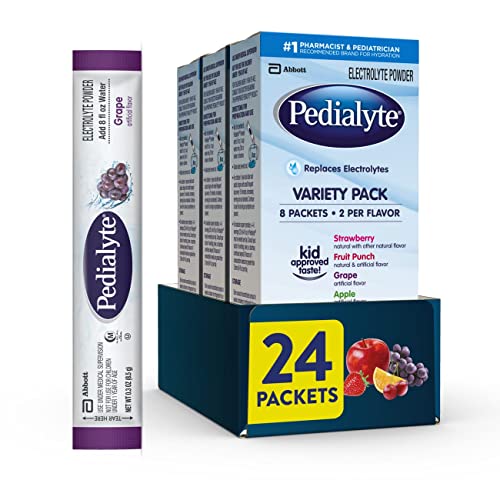
Pedialyte
Pedialyte Electrolyte Powder Packets, On-the-Go Hydration Variety…
- Electrolyte Blend Formula: Contains a mix of key electrolytes and sugar for hydration
- 3 Flavors Per Box: Includes Grape, Strawberry Lemonade, and Orange varieties
- Single-Use Powder Packets: Each stick is pre-measured for 16 fl oz water
For the first 24 hours, you might also want a backup plan. Keeping a box of Pedialyte Electrolyte Powder Packets in your pantry is a smart move. These single-use sticks dissolve into water and deliver a balanced mix of electrolytes and sugar—exactly what your gut needs when a smoothie feels like too much effort.

Why Smoothies Can Help (or Hurt) Diarrhea
Diarrhea strips your body of water, sodium, potassium, and chloride. The stool moves through your colon too fast, so your intestines never get a chance to absorb fluids. A smoothie can help rehydrate you, but it must match the osmotic pressure of your blood. If the smoothie contains too much simple sugar, water gets pulled into the bowel instead of being absorbed. That’s the opposite of what you want.
Think of your gut like a sponge. A sponge soaks up plain water easily. But if you drop that sponge into a bucket of honey water, it doesn’t absorb—it just sits there. The same principle applies to your intestines. High-sugar fruit juices, honey, or agave in a smoothie will draw water out of your tissues and into your stool, making diarrhea worse.
Temperature matters too. Ice-cold liquids trigger the gastrocolic reflex, which stimulates the colon to contract. More contractions mean faster transit time. Room-temperature or slightly cool smoothies are gentler on a hyperactive gut. Let your blended mixture sit on the counter for ten minutes before drinking if you used frozen fruit.
The Fiber Rule: Soluble vs. Insoluble – What Actually Firms Stool
Most people think all fiber is good for diarrhea. That’s a dangerous oversimplification. Fiber comes in two distinct forms, and they do opposite things in a distressed gut.
Insoluble fiber is the roughage found in raw greens, bran, nuts, and seeds with tough skins. It doesn’t dissolve in water. Instead, it acts like a broom, physically sweeping through the digestive tract and adding bulk. For someone with constipation, that’s helpful. For someone with diarrhea, it’s a disaster—it irritates the already-inflamed intestinal lining and speeds up transit time even further. A handful of raw spinach or a tablespoon of chia seeds in your smoothie can turn a mild case into a severe one.
Soluble fiber dissolves in water to form a gel. This gel slows down digestion, absorbs excess fluid, and gives stool a firmer, more formed shape. It also feeds the beneficial bacteria in your colon, which helps restore balance after an episode. The goal of any diarrhea-friendly smoothie is to maximize soluble fiber while completely avoiding insoluble fiber.
Good sources of soluble fiber include ripe bananas, rolled oats, peeled apples, and psyllium husk. The riper the banana, the better—ripe bananas contain more pectin and less resistant starch, making them easier to digest.
The 5 Best Ingredients to Blend (and Why They Work)
Bananas, Oats, and Pectin-Rich Fruits
Ripe bananas are the gold standard. They provide pectin, a type of soluble fiber that absorbs water and firms stool. They also supply potassium, which gets depleted rapidly during diarrhea. Use one whole banana as the base of every smoothie.
Rolled oats are another powerhouse. Half a cup of dry oats adds about 2 grams of soluble fiber plus a small amount of protein. They give the smoothie body and a creamy texture without any dairy. Cook them first or soak them for an hour—raw oats can be hard on a sensitive stomach.
Peeled and cooked apples are excellent. The peel contains insoluble fiber, so it must come off. Cooking the apple breaks down the cell walls, making the pectin more available. Canned applesauce works fine if you check the label for added sugar.
Electrolyte Boosters (Coconut Water, Salt, Honey)
Coconut water is nature’s sports drink. One cup contains about 600 mg of potassium and 250 mg of sodium. That’s a solid start, but you still need more salt. Add a tiny pinch of table salt—about 1/16 teaspoon—to your smoothie to help your gut absorb the fluids. It sounds odd, but it makes a measurable difference.
A half-teaspoon of honey adds a small amount of glucose. Glucose is critical because sodium and glucose are absorbed together in the small intestine. Without glucose, your body can’t absorb the sodium, and without sodium, it can’t hold onto water. This is the same principle behind oral rehydration solutions (ORS).
The 5 Worst Ingredients to Avoid (Including Hidden Triggers)
Sugar Alcohols, Raw Greens, and High-Fat Seeds
Sugar alcohols are the sneakiest culprit. Xylitol, sorbitol, and erythritol are common in “sugar-free” protein powders, flavored yogurts, and low-calorie sweeteners. Your body cannot digest them properly, so they sit in the colon and pull water in through osmosis. That’s a direct cause of diarrhea, even in healthy people. For someone already dealing with loose stools, a sugar-free smoothie is a guaranteed disaster. Check every label for anything ending in “-ol.”
Raw greens like spinach, kale, and celery are packed with insoluble fiber. They also contain oxalates, which can irritate the gut lining further. Skip them entirely until your stool returns to normal. The same goes for chia seeds, flax seeds, and hemp hearts—their crunchy outer shells are pure insoluble fiber.
High-fat ingredients are another problem. Avocado, nut butters, and full-fat coconut milk are hard to digest. Fat stimulates the gallbladder to release bile, and bile acts as a laxative when the gut is already inflamed. A tablespoon of almond butter might seem harmless, but it can trigger cramping within 30 minutes.
Dairy, Nut Milks, and Protein Powders: What’s Safe?
Dairy is risky during diarrhea. Even if you’re not lactose intolerant, the inflammation in your gut temporarily reduces lactase production. That means milk, yogurt, and ice cream can cause bloating and worsen diarrhea. Greek yogurt is the exception—the live cultures help repopulate gut bacteria, and the straining process removes most of the lactose. Start with just two tablespoons and see how you respond.
Nut milks are mostly safe but read the ingredients. Unsweetened almond milk and oat milk are fine. Avoid any brand that lists “added sugar” or “natural flavors,” which can hide sugar alcohols. Rice milk is the gentlest option because it’s naturally low in fiber and sugar.
Protein powders are a minefield. Whey protein can be hard to digest, and many plant-based blends contain pea protein, which is high in insoluble fiber. If you need protein, use a plain collagen powder—it’s flavorless, doesn’t contain fiber, and is gentle on the stomach. Avoid anything labeled “vegan protein blend” or “greens powder.”
The Rehydration Ratio: How to Mimic an ORS in a Glass
An oral rehydration solution follows a specific formula: about 6 teaspoons of sugar and 1/2 teaspoon of salt per liter of water. That’s roughly a 1:1 ratio of sodium to glucose in terms of molecular concentration. Your smoothie should aim for a similar balance, but it’s easier to think in terms of ingredients.
For a single smoothie, use this ratio as your base:
- 1 cup liquid (coconut water or water)
- 1 ripe banana (provides potassium and natural sugar)
- 1/4 cup cooked oats (provides soluble fiber)
- 1/16 teaspoon salt (provides sodium)
- 1/2 teaspoon honey (provides glucose)
This combination delivers roughly 400 mg of potassium, 300 mg of sodium, and 15 grams of carbohydrates. It’s not a perfect ORS replacement, but it’s close enough for mild cases. If you’re severely dehydrated—dark urine, dizziness, dry mouth—skip the smoothie and use a proper ORS like Pedialyte first. Hydrate with that for a few hours, then try a smoothie.
When to Drink: A Day-by-Day Reintroduction Timeline
Timing is everything. Guzzling a smoothie on day one of acute diarrhea is a mistake. Your gut needs time to calm down. Here’s a practical timeline:
Day 1: No smoothies. Stick to clear liquids only—water, broth, and oral rehydration solutions. Sip slowly. Your goal is just to replace fluids, not to add any fiber or sugar.
Day 2: If you’ve had no diarrhea for 12 hours, try your first smoothie. Use the base recipe above. Drink only half a cup over 30 minutes. Wait two hours. If stools stay formed, you can have another half cup.
Day 3: Add one new ingredient, like a peeled apple or a tablespoon of plain Greek yogurt. Keep the portion small. Monitor your body’s response for four hours before trying anything else.
Day 4-5: Gradually increase to a full serving (12-16 ounces). You can now add safe extras like a small handful of blueberries or a pinch of ginger. Avoid adding more than one new ingredient per day so you can identify any triggers.
Toddler-Specific Smoothie Modifications
Children dehydrate faster than adults, so the stakes are higher. A toddler with diarrhea needs smaller, more frequent sips. The smoothie recipe for a child under five should be more diluted than an adult version.
Use a 1:1 ratio of smoothie to water. For every half cup of smoothie, add half a cup of plain water. This reduces the sugar concentration and makes it easier for a small intestine to absorb. Serve it in a cup, not a bottle with a straw, to slow down the drinking pace.
Portion control matters. A toddler should start with just 2-3 tablespoons every 15 minutes. If that stays down, increase to 1/4 cup. Never give a child a full smoothie in one sitting—it’s too much volume and sugar at once. Also, skip the honey for children under one year old due to botulism risk. Use mashed banana for sweetness instead.
3 Quick, Gut-Safe Smoothie Recipes (with Exact Measurements)
Recipe 1: The Basic Rehydrator
- 1 ripe banana
- 1/4 cup cooked rolled oats
- 1 cup coconut water
- 1/16 teaspoon salt
- 1/2 teaspoon honey
Blend until completely smooth. Drink at room temperature. This is your day-two starter.
Recipe 2: The Apple Pectin Blend
- 1 ripe banana
- 1/2 cup unsweetened applesauce
- 1/2 cup water
- 1/4 teaspoon cinnamon
The cinnamon adds flavor and has mild anti-inflammatory properties. Use this on day three if the basic recipe worked well.
Recipe 3: The Gut-Soothing Oat Shake
- 1/2 cup cooked oats
- 1 ripe banana
- 1/2 cup plain Greek yogurt (optional, only if you tolerate dairy)
- 1/2 cup water
- Pinch of salt
This one is thicker and more filling. Save it for day four or five when your system is stabilizing.
When to Stop Smoothies and See a Doctor
Smoothies are a supportive tool, not a cure. If diarrhea persists for more than 48 hours despite following this protocol, stop drinking smoothies and seek medical advice. Also watch for these red flags:
- Blood or mucus in the stool
- High fever above 101°F (38.3°C)
- Severe abdominal pain that doesn’t ease
- Signs of dehydration: no urination for 8 hours, sunken eyes, extreme weakness
- Diarrhea after returning from a foreign country
These symptoms could indicate a bacterial infection, parasite, or inflammatory bowel disease that requires specific treatment. A smoothie won’t fix those.
Frequently Asked Questions (FAQs)
Can I use frozen fruit in smoothies for diarrhea?
Yes, but let the smoothie sit for 10-15 minutes after blending. Frozen fruit drops the temperature significantly, and ice-cold liquids can trigger colon spasms. Room temperature is safer. Also, avoid frozen berries with seeds—strawberries and raspberries have tiny seeds that are insoluble fiber.
Is it okay to add protein powder to a diarrhea smoothie?
Most protein powders are problematic. Whey can be hard to digest, and plant-based blends often contain high-fiber ingredients. If you need protein, use a plain collagen powder. It dissolves completely, has no fiber, and is gentle on the gut. Skip anything with added sweeteners, especially sucralose or sugar alcohols.
How much salt should I actually put in a smoothie?
A tiny pinch—about 1/16 teaspoon—is enough for a single serving. That’s roughly 300 mg of sodium. You’re not trying to make it taste salty. You’re just providing the sodium your intestines need to absorb water. If you’re using an ORS packet, you don’t need to add extra salt to your smoothie.
Can I drink a green smoothie if I have diarrhea?
No. Green smoothies usually contain raw spinach, kale, or celery, all of which are high in insoluble fiber. That fiber acts like a scrub brush on an inflamed colon, making diarrhea worse. Wait until your stool is fully formed for at least 48 hours before reintroducing raw greens.
Are smoothies safe for toddlers with diarrhea?
Yes, with heavy dilution. Mix one part smoothie with one part water and offer only a few tablespoons at a time. Toddlers need fluids but can’t handle the sugar concentration of a full adult smoothie. Always consult your pediatrician if diarrhea lasts more than 24 hours in a child under two.
The Bottom Line
You can drink smoothies during diarrhea, but you have to be deliberate about every single ingredient. The difference between a helpful smoothie and a harmful one comes down to fiber type and sugar load. Stick to soluble fiber sources like bananas and oats, avoid all insoluble fiber like raw greens and seeds, and keep the total sugar content low. Match the rehydration ratio of an ORS by adding a small pinch of salt.
Here’s what to remember:
- Use ripe bananas as your base—they’re high in pectin and potassium.
- Add cooked oats, not raw oats, for gentle soluble fiber.
- Skip all raw greens, chia seeds, and nut butters until you’re recovered.
- Check every label for sugar alcohols like xylitol and sorbitol—they cause osmotic diarrhea.
- Dilute smoothies with water or coconut water, and add a pinch of salt.
- Wait until day two of recovery before your first smoothie, and start with half a cup.
- See a doctor if diarrhea lasts longer than 48 hours or if you see blood.
For more guidance on related gut issues, you might find our smoothies for nausea guide helpful. And if you’re dealing with chronic inflammation, check out our piece on smoothies for ulcerative colitis for a more specific protocol. Blend smart, hydrate often, and let your gut set the pace.


