ACV and Cranberry Juice: Benefits & Uses Guide
On this page 7 sections
- Apple Cider Vinegar and Cranberry Juice Diet: Safe Amounts
- Cranberry Juice and Apple Cider Vinegar Ratio and Recipes
- Apple Cider Vinegar, Cranberry Juice and Baking Soda: Safety
- Best Time to Drink Cranberry Juice and Apple Cider Vinegar
- Side Effects, Who Should Avoid It, and Signs of Too Much
- What To Do Next With ACV and Cranberry Juice
- Frequently Asked Questions
The number that matters most in this combo is acetic acid: a level tablespoon of 5% apple cider vinegar gives roughly 750 mg of acetic acid, and more isn’t better. That’s enough to nudge blood sugar and digestion, but high doses can burn your throat and wear down teeth.
You also have to watch the sugar load from cranberry juice. An 8 oz glass of 100% unsweetened cranberry juice usually has around 10–15 g of natural sugar, while cranberry cocktail can run much higher because of added sugar. Getting the dose, ratio and timing right lets you use this drink as a supportive tool without harming your stomach, bladder or blood sugar.
Apple Cider Vinegar and Cranberry Juice Diet: Safe Amounts
An apple cider vinegar and cranberry juice diet is usually safe for most healthy adults at about 1 tablespoon (15 ml) of 5% ACV mixed into 8 oz (240 ml) of 100% unsweetened cranberry juice once a day, with a firm maximum of 2 tablespoons (30 ml) of ACV total per day. That amount is where the likely cranberry juice and apple cider vinegar health benefits show up without overloading your teeth, esophagus or stomach with acid.
Each tablespoon of 5% apple cider vinegar contains about 750 mg of acetic acid, which is enough to gently slow how fast you absorb starches and may help with post‑meal blood sugar and mild digestion support. Pushing much beyond 2 tablespoons a day doesn’t add proven benefit but does increase the chance of enamel erosion, throat irritation, reflux flares and, at very high intakes over time, shifts in minerals like potassium.
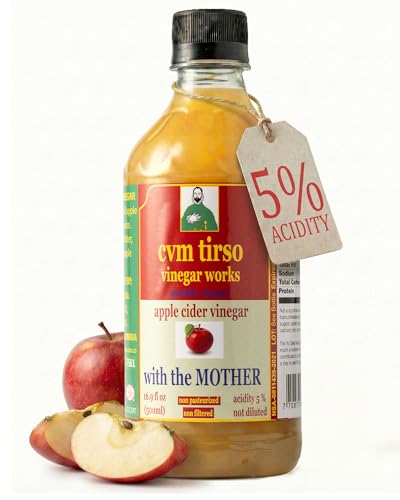
For those benefits, choose a 5% apple cider vinegar you actually like the taste of, and many people prefer a raw, unfiltered version with the cloudy mother so they feel they’re getting the vinegar in its natural form.
Calories and sugar depend far more on the cranberry than on the vinegar. An 8 oz glass of unsweetened 100% cranberry juice typically has around 70 calories and about 10 g of naturally occurring sugar, while the same glass of cranberry cocktail can reach roughly 110 calories and about 25–28 g of sugar, most of it added. For a cranberry juice apple cider vinegar diet aimed at weight or blood sugar control, unsweetened juice or a light blend is the better base.
| Drink | Added sugar per serving | Servings | Total |
|---|---|---|---|
| Unsweetened cranberry + ACV (8 oz) | 0 g | 1 | 0 g |
| Cranberry cocktail + ACV (8 oz) | 25 g | 1 | 25 g |
| Total | 25 g | ||
| Daily added sugar limit for many women (25 g) | 100% | ||
So what does cranberry juice and apple cider vinegar do at these amounts? Small studies suggest 1–2 tablespoons of vinegar a day, taken with meals, can modestly blunt post‑meal blood sugar rises, while cranberry compounds may lower the risk of recurrent urinary tract infections by making it harder for bacteria to stick to the bladder wall. Evidence is much stronger for ACV on post‑meal blood sugar and for cranberry on UTI prevention than it is for claims about big weight loss, fixing bloating or healing the gut.
Both cranberry juice and ACV are generally low FODMAP, so they’re less likely to cause gas from fermentable carbs, and many people feel less bloated mainly because they’ve cut soda and ultra‑processed drinks. The flip side is that the acids can aggravate reflux, gastritis or a sensitive esophagus, especially if you sip the drink repeatedly or take it on an empty stomach.
If you decide the cranberry juice and apple cider vinegar diet suits you and you’re thinking about using it regularly, how much you drink across the week matters as much as the dose in the glass, so how often to drink cranberry juice and apple cider vinegar is the next piece to get clear on.
Cranberry Juice and Apple Cider Vinegar Ratio and Recipes
For a daily drink, a practical cranberry juice and apple cider vinegar ratio is 1 tablespoon (15 ml) of 5% ACV in 8 oz (240 ml) of unsweetened cranberry juice, which many adults can use once a day. That means it’s generally okay to drink a tablespoon of vinegar mixed with cranberry juice daily as long as it’s diluted like this and you don’t exceed about 2 tablespoons (30 ml) of ACV total from all drinks in a day.
If you want a bit more kick from apple cider vinegar with cranberry juice, increase strength slowly: move from 1 teaspoon to 2 teaspoons, then up to 1 tablespoon in your 8 oz glass over a week, and only consider a second 1 tablespoon serving later in the day if your stomach and teeth feel fine. Every time you use ACV, dilute each tablespoon in at least 8 oz (240 ml) of fluid and avoid drinking it straight, because undiluted vinegar can burn the throat, damage tooth enamel and worsen reflux.
Many people find 1 tablespoon ACV in 8 oz cranberry juice still too sharp, so you can stretch it to 10–12 oz of liquid by adding cold water or ice without losing the proportions of apple cider vinegar and cranberry juice. For a stronger flavor and potential benefit without raising sugar, choose a raw, unfiltered 5% ACV with the mother, since you’ll still be well within safe acetic acid amounts at 1–2 tablespoons a day.
For flavor variations, you can add a small squeeze of lemon to your cranberry juice plus apple cider vinegar, or a few drops of a non‑nutritive sweetener such as stevia if you need it less sour. Lemon adds more acid, so people with reflux or sensitive enamel may prefer to skip it, and it doesn’t “detox” your body; your liver and kidneys already handle detox, while this drink mainly supplies acids and plant compounds.
If you want less sugar but still like apple cider and cranberry juice together, use cranberry concentrate: start with 1–2 teaspoons of cranberry concentrate in 8–12 oz (240–360 ml) of water plus up to 1 tablespoon of ACV. You’ll still get cranberry compounds with far fewer carbs than a full glass of sweetened juice, though the exact amount of active plant chemicals varies by brand.
If weight or blood sugar is your focus, be cautious with honey, maple syrup, agave or flavored syrups in your apple cider vinegar, cranberry juice and ice mix, because each tablespoon of these sweeteners adds roughly 15–20 g of sugar and 60–80 calories. That quickly turns a light drink into something closer to a dessert and works against the “diet” part of a cranberry juice plus apple cider vinegar routine.
Some recipes online add baking soda to apple cider vinegar with cranberry juice to cut the sourness, but tossing in spoonfuls can create excess sodium and a harsh fizz in your stomach. If you are considering that combination, use apple cider vinegar cranberry juice baking soda guidance rather than guessing amounts at home.
Apple Cider Vinegar, Cranberry Juice and Baking Soda: Safety
Adding baking soda to apple cider vinegar and cranberry juice is generally not recommended as a daily health drink because it adds a lot of sodium and creates gas. Many people search for “cranberry juice apple cider vinegar, baking soda”, “apple cider vinegar cranberry juice and baking soda”, or versions like “apple cider vinegar baking soda cranberry juice”, “apple cider vinegar baking soda and cranberry juice”, “baking soda apple cider vinegar and cranberry juice”, “apple cider vinegar and cranberry juice and baking soda”, “cranberry juice apple cider vinegar and baking soda”, and “cranberry juice, apple cider vinegar, baking soda”; all describe the same reaction in your glass and in your stomach.
Baking soda (sodium bicarbonate) neutralizes acid, so when it hits apple cider vinegar it rapidly makes carbon dioxide gas and a salty sodium acetate solution. That neutralization raises the pH in your stomach and, if overused, can shift blood pH toward alkalosis, which can cause symptoms like confusion, muscle twitching or irregular heart rhythm in severe cases. Because baking soda is sodium-rich, even a small kitchen measure matters: about 1/4 teaspoon provides roughly 300 mg of sodium, which pushes up blood pressure and fluid retention in salt-sensitive people.
| Baking Soda Amount | Approximate Sodium | Comment |
|---|---|---|
| 1/4 tsp | about 300 mg | Conservative upper limit if you still choose to mix it in |
| 1/2 tsp | about 600 mg | High sodium hit; best avoided in this drink |
| 1 tsp | about 1,200 mg | Similar to half a day of sodium for some diets; unsafe to take this much at once as a drink |
| Routine daily use | Adds up quickly | Raises risk for blood pressure and fluid problems over time |
Routine “apple cider vinegar cranberry juice and baking soda” cocktails are especially risky if you have high blood pressure, heart failure, chronic kidney disease or any sodium‑restricted diet, because the extra sodium can worsen edema, shortness of breath and blood pressure control. Large or repeated doses also increase the chance of metabolic alkalosis and dangerous gas buildup; in rare cases, big baking soda doses taken quickly have been linked with stomach rupture.
If you still decide to use baking soda occasionally, keep it to no more than 1/4 teaspoon in an 8 oz (240 ml) glass, and only once a day at most. Let the foaming finish and the bubbles settle before sipping, and don’t chug it, so gas has time to escape from the drink instead of expanding in your stomach. There’s no solid evidence that adding baking soda to cranberry juice and apple cider vinegar boosts digestion, weight loss or urinary benefits compared with the acid drink alone.
Neutralizing the acid also undercuts why people use ACV in the first place, because acetic acid is the part that may gently slow stomach emptying and blunt post‑meal blood sugar rises. Once you turn that acetic acid into a neutral salt with baking soda, you mostly keep the calories, sugar and sodium without the modest digestive effects, so it doesn’t make sense as a regular health habit.
Heartburn‑prone readers often do better by adjusting the acid dose or timing rather than reaching for baking soda: mixing only 1 teaspoon (5 ml) ACV into 8 oz (240 ml) unsweetened cranberry juice, taking the drink with food, or skipping ACV entirely and sticking to cranberry juice or water are all safer strategies than building a daily baking‑soda cocktail. Prescribed reflux medicines or over‑the‑counter antacid tablets should stay exactly as your doctor directed; baking soda mixes shouldn’t replace them.
 Home Juicing Starter KitMake fresh juice that tastes good, costs less and keeps safely: 40 recipes with exact amounts, a yield chart and a 4-week plan.40 juice, smoothie and shot recipesYield, storage and food-safety chartsCost, yield and shopping-list calculator (Excel)
Best Time to Drink Cranberry Juice and Apple Cider Vinegar
The best time to drink cranberry juice and apple cider vinegar is with or just before a meal, usually breakfast or lunch, instead of on an empty stomach or right before bed. Many people type “what time of day to take apple cider vinegar and cranberry juice”, “how to treat colon paralysis-use apple cider vinegar and cranberry juice?”, “cranberry juice and apple cider vinegar does it help with bloating” or even “will cranberry juice with apple cider vinegar stop farting” because they hope timing will fix bowel or gas problems, but the drink mainly works as a small nudge, not a cure for serious gut disease.
Taking an 8 oz (240 ml) glass mixed with about 1 tablespoon (15 ml) of 5% ACV alongside a meal that contains carbs, like toast or rice, may modestly blunt the blood sugar rise after that meal and usually feels gentler on the stomach. Drinking the same mix first thing in the morning on an empty stomach, or doubling the vinegar dose, raises the chance of nausea or burning in the chest.
Evening timing matters for reflux. Acidic drinks close to bedtime can worsen heartburn because lying flat lets stomach contents wash back toward the esophagus, so leaving at least 2–3 hours between your ACV–cranberry drink and lying down is a safer pattern, especially if you already have reflux.
Colon paralysis and severe motility disorders need medical care, not home drinks. ACV and cranberry juice can’t restart a paralyzed colon, and relying on them instead of seeing a gastroenterologist risks dangerous delays.
For mild sluggish bowels, a gentle starting ratio is the same one used elsewhere in this guide: about 1 tablespoon (15 ml) ACV in 8 oz (240 ml) unsweetened cranberry juice, once a day with a meal. The help you notice usually comes from the extra fluid, the regular timing and any overall diet changes, not from a strong laxative effect of the acids themselves.
Gas and bloating are more about what ferments in the gut than about stomach acid, so acids don’t stop farting. Some people feel less bloated after switching to unsweetened cranberry and ACV because they drop fizzy sodas or very sugary drinks that were feeding gas‑producing bacteria, while others notice more heartburn or cramping from the acidity and do better cutting back the vinegar or stopping the drink.
Medicine timing deserves some space too. Aim to separate your cranberry–ACV drink by at least 1–2 hours from oral antibiotics, thyroid medicines like levothyroxine, certain diabetes pills and iron or calcium supplements, so the acid and plant compounds are less likely to interfere with how those tablets dissolve and absorb; keep taking every medicine exactly as prescribed and ask your pharmacist if you are unsure about scheduling.
Side Effects, Who Should Avoid It, and Signs of Too Much
Side effects from apple cider vinegar with cranberry juice mostly show up when the mix is too strong or you drink it too often. For many adults, drinking apple cider vinegar with cranberry juice in small, diluted amounts is reasonable, but it isn’t automatically “good for you” and it doesn’t replace medical care or other lifestyle changes.
Comparing apple cider vinegar vs cranberry juice, vinegar mainly brings acetic acid that may modestly steady post‑meal blood sugars, while cranberry juice supplies carbohydrates, plant compounds and vitamin C. For cranberry juice vitamin c benefits, a typical 8 oz (240 ml) glass of 100% juice can cover a good share of your daily vitamin C needs, and cranberry juice vitamin c benefits goes deeper into that side.
Looking at cranberry juice calories, an 8 oz glass of 100% cranberry juice cocktail often runs around 100 calories and over 20 g of sugar, while unsweetened cranberry is lower in sugar but very tart; cranberry juice calories explains how different products compare. For diabetes, prediabetes or weight loss hopes, that carbohydrate load matters far more than the tablespoon or two of vinegar, so you’ll want to budget this drink into your overall carb and calorie limits.
As you weigh apple cider vinegar and cranberry juice vs other options, remember that plain water, unsweetened herbal tea, or small amounts of lemon water can support hydration without adding sugar or acid exposure. Someone comparing apple cider ginger vs cranberry juice might use a mild ginger tea for nausea or digestion instead of an acidic cranberry–vinegar mix if reflux is an issue.
Common side effects of too much ACV–cranberry include tooth sensitivity or enamel erosion, throat burning, nausea, stomach cramping, gas and worsened reflux. Very large, chronic vinegar intakes have been linked with low potassium levels in rare cases, especially alongside diuretics, so mega‑dosing is not harmless.
People who can’t tolerate vinegar can often use unsweetened cranberry juice alone, in small amounts, if blood sugar and bladder symptoms allow; cranberry juice vitamin c covers how much vitamin C cranberry juice provides on its own. Others may do better focusing on water and warm herbal teas and skipping both vinegar and cranberry if their stomach or bladder is already irritated.
Directions from your own doctor, pharmacist or procedure prep sheet, especially around kidney disease, diabetes or upcoming surgery, should always override any general guidance about this drink.
What To Do Next With ACV and Cranberry Juice
Most adults do best starting cranberry juice with apple cider vinegar at a low dose once a day and only increasing if it sits well. For how often to drink cranberry juice & apple cider vinegar, one 8 oz (240 ml) glass daily is usually plenty, because more frequent servings raise acid exposure without clear extra benefit.
Many people prefer the best time to drink cranberry juice and apple cider vinegar to be with breakfast or lunch, not on an empty stomach or right before lying down; Best Time to Drink Cranberry Juice and Apple Cider Vinegar lays out options by schedule. If you also use a lemon version, Best Time to Drink Apple Cider Vinegar and Lemon Juice can help you decide which drink to place where in your day.