
The Short Answer: Does It Work or Not?
You’ve probably heard the advice a hundred times: drink cranberry juice to ward off a urinary tract infection. But when you actually look at the research, the picture gets murky. Some studies show a clear benefit, others show none at all. So what’s the real story?
The honest answer is: it works for certain people in certain situations, and it fails for others. The key lies in the dose of active compounds, the type of cranberry product, and your individual risk profile. Let’s break all that down so you can decide if cranberry is worth your money.
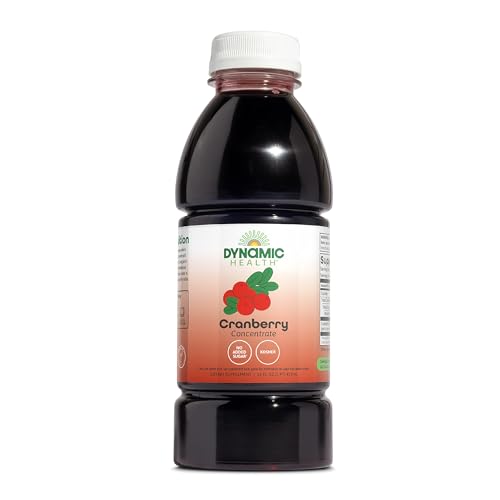
Dynamic Health
DYNAMIC HEALTH 100% Cranberry Juice Concentrate, 16…
- POTENT ANTIOXIDANT. Cranberries contain nutrients like vitamins C and E, plus the added power of the antioxidant quercetin. Antiox…
- COUNT ON CRANBERRY. You’ve probably heard that cranberries are great for urinary tract health. That’s because of proanthocyanidins…
- NO ADDED SUGAR. Our Cranberry Juice Concentrate is made without sweeteners or added sugar. It’s also Vegetarian, Gluten-Free, BPA-…
If you’re considering trying it, a product like Dynamic Health 100% Cranberry Juice Concentrate offers a high-potency option without added sugar. It packs about 4,000 cranberries per bottle, which means a concentrated source of the beneficial plant compounds we’re about to discuss.
How Cranberries Interact With Your Urinary Tract (The Biofilm Mechanism)
To understand why cranberry works, you need to know a bit about how UTIs start. Most infections are caused by E. coli bacteria that live in your gut. They travel to the urethra, then climb up into the bladder. Once there, they use tiny hair-like structures called fimbriae to latch onto the bladder wall.
Here’s where cranberries come in. They contain a group of compounds called proanthocyanidins, or PACs for short. These PACs interfere with the bacterial adhesion process. They essentially make the bladder wall slippery to E. coli, so the bacteria can’t grab hold and form a colony. Without that initial attachment, the bacteria get flushed out when you urinate.
Think of it like Velcro. The bacteria have tiny hooks, and the bladder wall has tiny loops. PACs fill the loops, so the hooks have nothing to grab. This is the biofilm mechanism — PACs prevent the formation of the sticky biofilm that protects bacteria from your immune system and antibiotics.
This is why cranberry is a preventive measure, not a treatment. It doesn’t kill bacteria that are already attached. It only stops new ones from settling in. That distinction is crucial for understanding the research.
What the Science Actually Says: Prevention vs. Treatment
Clinical trials on cranberry have produced wildly different results. Some show a 30-40% reduction in recurrent UTIs. Others show no effect at all. The reason for this inconsistency often comes down to the PAC content of the product tested, not the cranberry itself.
The Strongest Evidence: Women with Recurrent UTIs
The most compelling data comes from studies on premenopausal women who get frequent UTIs — defined as two or more infections in six months, or three in a year. A 2026 Cochrane review of 24 studies found that cranberry products reduced the risk of recurrent UTIs in this group by about 26%. That’s not huge, but it’s meaningful, especially for women who want to avoid repeated antibiotics.
Why does it work better in this population? Because their UTIs are typically caused by E. coli that adhere to the bladder wall — exactly the mechanism PACs block. In other groups, like elderly women in nursing homes or people with urinary catheters, the bacteria involved are often different, and the adhesion mechanism isn’t as relevant. That’s why studies in those populations show little to no benefit.
The Weakest Evidence: Treating an Active Infection
If you already have a burning sensation and are running to the bathroom every ten minutes, cranberry juice won’t cure it. The bacteria have already attached and multiplied. PACs can’t dislodge an established colony. You need antibiotics for that.
Some people try cranberry as a home remedy for early symptoms, hoping to flush out the bacteria. That’s risky. Delaying proper treatment can turn a simple bladder infection into a kidney infection. If you suspect a UTI, see a doctor and get tested. Cranberry is for prevention, not treatment.
The Dosage Dilemma: How Much PACs Do You Really Need?
Here’s the problem with most cranberry juice on the market: it’s diluted, loaded with sugar, and contains very few PACs. The studies that showed benefit used products with a specific concentration of PACs — usually 36 mg per serving or more. Many commercial juices have less than 10 mg per serving.
To get a therapeutic dose, you’d need to drink about 8 to 16 ounces of pure, unsweetened cranberry juice daily. That’s a lot of tart liquid, and it comes with calories and potential stomach upset. This is why cranberry supplements have become popular — they deliver a concentrated dose without the sugar.
But supplements vary wildly in quality. Some are standardized to contain a specific amount of PACs, while others just say ‘cranberry extract’ without any guarantee of potency. When evaluating any product, look for the PAC content on the label. If it’s not listed, you can’t know what you’re getting.
The Dynamic Health concentrate is a good middle ground. It’s 100% juice, no added sugar, and it’s concentrated, so a small serving gives you more PACs than a glass of regular juice. You can dilute it with water to taste, and you’re getting real cranberry, not a chemically extracted supplement.
Cranberry Juice vs. Pills vs. Gummies: Which Is Best?
Let’s compare the main options side by side. Each has trade-offs in terms of PAC delivery, sugar content, and cost.
| Form | Typical PAC Content | Sugar per Serving | Cost per Month | Best For |
|---|---|---|---|---|
| Commercial juice (e.g., Ocean Spray) | 5-10 mg per 8 oz | 20-30 g (added sugar) | $10-15 | Taste, hydration |
| Pure unsweetened juice | 15-25 mg per 8 oz | 0 g (natural sugars) | $20-30 | Those who can handle tartness |
| Concentrate (like Dynamic Health) | Varies, but higher per oz | 0 g added | $15-25 | High potency, no sugar |
| Capsules/tablets | 36-72 mg per capsule | 0 g | $15-40 | Convenience, exact dosing |
| Gummies | Often low (5-15 mg) | 2-5 g added sugar | $10-20 | People who dislike swallowing pills |
The takeaway: capsules give you the most consistent PAC dose per dollar, but they lack the other beneficial compounds in whole juice. Concentrate offers a real-food option with more bioactives. Gummies are often underdosed and overpriced for the PAC content. Juice is fine if you can find a low-sugar version and drink enough, but it’s easy to fall short.
One more thing: if you choose capsules, look for a product that specifies the PAC content on the label. Many don’t, which means you’re gambling on efficacy.
Safety, Side Effects, and Drug Interactions (Warfarin & Oxalates)
Cranberry is safe for most people, but it’s not completely without risk. Two interactions matter: Warfarin and kidney stones.
Warfarin (Coumadin): Cranberry can potentiate the effect of this blood thinner, increasing your INR and raising bleeding risk. The interaction isn’t fully understood, but it’s been reported in multiple case studies. If you take Warfarin, talk to your doctor before using cranberry products regularly. They may want to monitor your INR more closely.
Oxalate kidney stones: Cranberry is high in oxalates, which can bind with calcium to form kidney stones. If you have a history of calcium oxalate stones, drinking large amounts of cranberry juice could increase your risk. The evidence is mixed, but it’s a reasonable concern. If you’re prone to stones, opt for a supplement that’s been processed to reduce oxalates, or limit your intake.
Other side effects are mild: stomach upset, diarrhea, or an increase in urine acidity. That acidity can actually be beneficial for preventing UTIs, but it can also irritate the bladder in some people. Start with a small amount to see how your body reacts.
If you’re curious about how cranberry affects other aspects of health, you might find this article on cranberry and kidney stones useful.
Beyond Cranberries: Evidence-Based Alternatives (D-Mannose, Hydration)
Cranberry isn’t the only natural option for UTI prevention. Let’s look at two others with decent evidence.
D-Mannose: This is a type of sugar that’s structurally similar to part of the E. coli fimbriae. It works by binding to the bacteria instead of the bladder wall, so they get flushed out. Studies show it’s about as effective as cranberry for recurrent UTIs, and some find it even better. It’s available as a powder or capsule. The downside: it can cause bloating and loose stools, and it doesn’t work against non-E. coli bacteria.
Hydration: Drinking plenty of water is probably the simplest, cheapest preventive measure. A 2026 study found that women who increased their water intake by 1.5 liters per day had 50% fewer UTIs than those who didn’t. Diluting your urine makes it harder for bacteria to survive and multiply. It also flushes out any that try to adhere.
Combining cranberry with D-mannose might offer additive benefits, but no studies have tested that directly. If you choose to try both, start with lower doses to gauge tolerance.
For a broader look at cranberry’s effects, check out this piece on cranberry juice and pH balance.
The Bottom Line: Who Should (and Shouldn’t) Use Cranberry Products
Let’s be practical. Who actually benefits from cranberry?
- Premenopausal women with recurrent UTIs: The evidence is strongest here. If you get two or more infections a year, cranberry can reduce that number by about 25-30%.
- People who want to avoid antibiotics: If you’re tired of taking a pill every time you get a UTI, cranberry is a reasonable preventive strategy.
- Those who can commit to daily use: Cranberry works only while you’re taking it. The effect wears off within weeks of stopping. You need to drink it or take a supplement every day.
- People with a catheter or urinary retention: Evidence doesn’t support cranberry in these cases. The bacteria involved are often resistant to PACs.
- Anyone on Warfarin or with oxalate stones: Avoid cranberry unless your doctor gives the green light.
If you decide to try it, choose a product with a clear PAC content. Aim for at least 36 mg of PACs daily, whether from juice, concentrate, or capsules. And remember: it’s a preventive tool, not a cure.
For those who want to start with a high-quality juice, the Dynamic Health concentrate is a solid option. It’s organic, unsweetened, and concentrated, so you get more active compounds per ounce. Just check the current price on Amazon to see if it fits your budget.
One last tip: don’t rely on cranberry alone. Combine it with good hydration, urinate after intercourse, and wipe front to back. Those habits matter just as much.
If you’re curious about other cranberry myths, this article on Ocean Spray and UTI prevention covers a popular brand specifically.
Frequently Asked Questions
Does cranberry juice cure a UTI?
No. Cranberry juice cannot cure an active infection. Antibiotics are required to clear bacteria that have already attached to the bladder wall. Cranberry may help prevent future infections, but it won’t treat one you already have.
How long does it take for cranberry juice to work?
For prevention, you need to take it daily for at least a few weeks before you might notice a reduction in infections. The effect is cumulative, not immediate. Some studies show benefit after 4-6 weeks of consistent use.
Can cranberry juice interact with my medications?
Yes, especially Warfarin. Cranberry can increase the blood-thinning effect, raising bleeding risk. It may also affect other medications metabolized by the liver, but the evidence is less clear. Always check with your pharmacist or doctor.
Is cranberry juice or cranberry pills better?
Pills are more convenient and provide a standardized dose of PACs, but they lack other beneficial compounds found in whole juice. Juice is more natural but harder to dose and often contains added sugar. Concentrate offers a middle ground. Choose based on your lifestyle and tolerance.
Can men get UTIs, and does cranberry help them?
Men can get UTIs, but they’re less common. The evidence for cranberry in men is limited, but some studies suggest it may help in certain cases, like after prostate surgery. More research is needed. If you’re a man with a UTI, see a doctor, as it could indicate an underlying issue.


