You feel that familiar twinge. The constant urge to pee, the burning sensation, the dread of another round of antibiotics. For decades, the go-to home remedy has been a tall glass of cranberry juice. But does it actually work, or is it just a tart placebo we’ve all accepted as fact?
This isn’t a simple yes or no. The reality is far more nuanced than the marketing on a juice bottle suggests. I’ve spent hours digging through clinical trials, meta-analyses, and urology guidelines to separate what’s proven from what’s folklore. You’ll walk away knowing exactly how cranberries work, why some studies fail, and how to build a realistic prevention plan that fits your life.
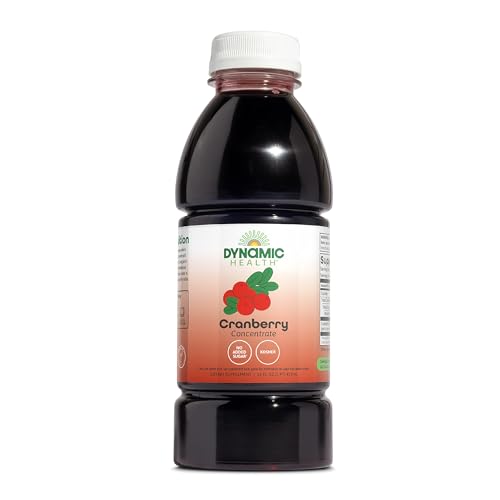
Dynamic Health
DYNAMIC HEALTH 100% Cranberry Juice Concentrate, 16…
- POTENT ANTIOXIDANT. Cranberries contain nutrients like vitamins C and E, plus the added power of the antioxidant quercetin. Antiox…
- COUNT ON CRANBERRY. You’ve probably heard that cranberries are great for urinary tract health. That’s because of proanthocyanidins…
- NO ADDED SUGAR. Our Cranberry Juice Concentrate is made without sweeteners or added sugar. It’s also Vegetarian, Gluten-Free, BPA-…
If you’re looking for a clean way to get the active compounds without the added sugar, a product like Dynamic Health 100% Cranberry Juice Concentrate is a solid option to consider. It packs roughly 4,000 cranberries per bottle and skips the sweeteners, which matters when you’re trying to drink enough to make a difference.

The Short Answer: Prevention, Not a Cure
Let’s kill the biggest myth immediately: Cranberry juice does not cure an active urinary tract infection. If you already have burning symptoms, chugging a gallon of the stuff won’t kill the bacteria. You need antibiotics for that. Period.
What cranberry juice can do is help prevent an infection from taking hold in the first place. That’s a massive distinction. Think of it like sunscreen. You apply it before you go outside to prevent a burn. You don’t rub it on after you’re already crispy and expect the damage to reverse.
Most of the research focuses on women with recurrent UTIs—those who get three or more a year. For that specific group, cranberry products show a modest but measurable benefit. For everyone else, the evidence is thinner.
How Cranberries Interact With E. coli (The Science of PACs)
Cranberries don’t sterilize your urinary tract. They don’t lower the pH of your urine enough to matter. The magic lies in a specific group of plant compounds called proanthocyanidins, or PACs for short.
About 80-90% of all UTIs are caused by E. coli. These bacteria have tiny hair-like projections called fimbriae. Those fimbriae latch onto the lining of your bladder wall like velcro. Once attached, the bacteria multiply and form a biofilm—a protective fortress that resists both your immune system and antibiotics.
Here’s where PACs step in. The A-type proanthocyanidins found in cranberries are structurally different from the B-type found in other fruits like apples or grapes. These A-type PACs bind to the fimbriae of E. coli, physically blocking them from sticking to your bladder wall.
No attachment means no colonization. No colonization means no infection. The bacteria just wash out when you pee.
This is a physical mechanism, not a chemical kill. That’s why it works for prevention but not treatment. Once the bacteria are already attached and multiplying, the PACs can’t pry them off.
Why Not All PACs Are Equal
Here’s a wrinkle most articles skip: the type of PAC matters. Grape juice, apple juice, and even dark chocolate contain PACs, but they’re mostly B-type. Those don’t have the same anti-adhesion effect on E. coli.
Cranberries, along with blueberries, are the primary dietary sources of A-type PACs. This is why you can’t just swap in any dark-colored juice and expect the same benefit.
The concentration also varies wildly between products. A fresh cranberry contains a decent amount, but the juice you buy at the grocery store might be diluted with water, mixed with apple or grape juice, and loaded with sugar. That dilution cuts the PAC content down to almost nothing.
What the Research Actually Shows (And Why Studies Conflict)
If you read the headlines, you’ll see a mess of contradictions. One study says cranberries work. The next says they’re useless. Why the confusion?
It comes down to three major problems: dosage variability, confounders, and study design.
The Product Variability Problem
Many older clinical trials used commercial cranberry juice cocktail—which contains about 25-27% cranberry juice. The rest is sugar and water. If a study uses a low-PAC product, it’s not testing whether cranberries work; it’s testing whether sugared water works.
Other trials used capsules, but the PAC content in supplements is largely unregulated. One brand’s capsule might contain 36 mg of PACs. Another might contain 10 mg. Unless the study specifically measures the PAC content, you’re comparing apples to oranges—or rather, cranberries to placebos.
The Hydration Confounder
Here’s a sneaky variable that skews results: hydration. Women in the cranberry group often drink more fluid than women in the control group. Increased urine output flushes the bladder more frequently, which independently reduces UTI risk.
So is the benefit from the PACs or just from the extra peeing? A 2026 meta-analysis in the Journal of Urology tried to control for this. They found that cranberry products reduced UTI risk by about 26% in women with recurrent infections, even after adjusting for fluid intake. That’s a real effect, but it’s modest.
The Sexual Activity Factor
Sexual intercourse is a major trigger for UTIs because it pushes bacteria near the urethra. Several studies failed to account for this. If one group happens to have more sexually active participants, the cranberry group might look worse than it should.
When researchers stratify by sexual activity, the protective effect of cranberries often becomes more apparent in sexually active women. It’s not a cure-all, but it can be a useful layer of defense.
The Dosage Problem: How Much Juice Is Enough?
This is the question everyone asks, and it’s the one most articles dodge. Here’s the honest answer: there is no universally agreed-upon dose. But we can extrapolate from the studies that showed positive results.
Most successful trials used between 240 mL and 500 mL (8-16 ounces) of cranberry juice cocktail daily, or the equivalent of 36-72 mg of PACs per day.
To hit that PAC target with pure, unsweetened juice, you need to be careful. Pure cranberry juice has roughly 15-30 mg of PACs per 100 mL, depending on the harvest and processing. That means you’d need about 200-300 mL (roughly 7-10 ounces) of pure juice to get a therapeutic dose.
Here’s the catch: pure cranberry juice is intensely tart. Most people can’t drink 10 ounces of it straight without puckering. You’ll want to dilute it with water or mix it into a smoothie.
The Sugar Problem
Commercial cranberry juice cocktail is around 30 grams of sugar per 8-ounce serving. Drink 16 ounces a day, and you’re consuming 60 grams of added sugar—more than the American Heart Association recommends for an entire day.
That’s a real trade-off. For some people, the sugar might spike blood glucose or add empty calories. If you’re diabetic or watching your weight, the sugar load could outweigh the UTI benefit.
This is where cranberry juice concentrate becomes a practical workaround. You get the PACs without the sugar, and you control the dilution yourself.
Cranberry Juice vs. Pills vs. Whole Fruit: Which Is Better?
You have three main delivery methods. Each has pros and cons, and none is perfect.
| Option | PAC Content | Sugar/Calories | Convenience | Cost | Best For |
|---|---|---|---|---|---|
| Pure Juice (unsweetened) | High (15-30 mg/100 mL) | Low natural sugar, no added | Moderate—needs dilution | $$ | People who want whole-food nutrition |
| Juice Cocktail (sweetened) | Low (diluted, often 25% juice) | High (30g+ per serving) | High—drink straight from fridge | $ | People who prioritize taste over efficacy |
| Cranberry Pills/Supplements | Variable (10-72 mg per capsule) | None | Very high—one pill a day | $$$ | People who can’t stand the taste |
| Whole Dried Cranberries | Moderate | High (often sweetened with sugar) | High—snack on them | $$ | Snackers, but watch the added sugar |
The supplement route is appealing, but quality control is a real issue. A 2026 consumer lab test found that many cranberry supplements contained far less PACs than their labels claimed. Some had almost none. You have to do your homework on brands, looking for third-party testing or standardized extracts.
My personal take: if you can tolerate the tartness, pure juice or concentrate is the most reliable. You know exactly what you’re getting. Pills are a close second if you find a reputable brand, but the variability makes me cautious.
Who Should Skip Cranberries (Risks and Interactions)
Cranberries aren’t harmless for everyone. There are specific groups who should avoid them or at least talk to a doctor first.
People Prone to Kidney Stones
Cranberries are high in oxalates. These compounds can bind with calcium in the urine and form calcium oxalate stones—the most common type of kidney stone.
If you have a history of calcium oxalate stones, drinking large amounts of cranberry juice daily could increase your risk. The evidence isn’t definitive, but the theoretical risk is real enough that urologists often advise caution. If you’re prone to stones, skip the daily cranberry routine and focus on plain water instead. You can read more about the cranberry juice and kidney stone connection here.
People on Blood Thinners
Cranberries contain vitamin K, which plays a role in blood clotting. If you take warfarin (Coumadin), a sudden increase in cranberry consumption could interfere with your INR levels.
The interaction isn’t as dramatic as with grapefruit, but it’s been documented. If you’re on anticoagulants, keep your cranberry intake consistent and tell your doctor if you plan to start drinking it daily.
People with Sensitive Stomachs
The acidity of cranberry juice can irritate the stomach lining or worsen acid reflux in some people. If you have gastritis or GERD, drinking concentrated juice on an empty stomach might cause burning or discomfort.
Diluting it more or drinking it with food can help, but if it bothers you, a supplement might be gentler.
Red Flags: When Home Remedies Aren’t Enough
Cranberry juice is a prevention strategy, not a diagnostic tool. You need to know when to stop home remedies and get medical help.
These symptoms mean the infection has likely moved beyond your bladder:
- Fever (over 100.4°F or 38°C)
- Flank pain—pain in your lower back or side, just under your ribs
- Nausea or vomiting
- Blood in your urine
- Confusion or extreme fatigue (especially in older adults)
Those are signs of a kidney infection (pyelonephritis), which is a serious condition that requires prompt antibiotics. Don’t try to treat that with juice. You could end up with sepsis.
Also, if you’re pregnant and suspect a UTI, skip the cranberry juice and call your OB. UTIs during pregnancy can lead to preterm labor, and you need proper testing and treatment.
The Bottom Line: A Smart Prevention Strategy
Cranberry juice isn’t a magic bullet, but it’s not useless either. The evidence supports a modest preventive effect for women with recurrent UTIs. For everyone else, it’s a reasonable habit, provided you watch the sugar.
Here’s how I’d approach it if I were you:
- Target 36-72 mg of PACs daily if you’re prone to UTIs. That’s about 8-10 ounces of pure concentrate diluted in water, or a high-quality supplement with verified PAC content.
- Choose unsweetened or concentrate over cocktail. The sugar in commercial juice undoes much of the benefit and adds empty calories. Check the sugar content in cranberry juice before you buy.
- Hydration matters more than you think. Drink plenty of plain water throughout the day. The cranberry is a supplement to hydration, not a replacement for it.
- Pee after sex. This is one of the most effective prevention habits, and it costs nothing. It flushes bacteria out of the urethra before they can climb up.
- Don’t hold it. When you feel the urge, go. Stretching your bladder gives bacteria more time to attach.
- Wipe front to back. It’s basic, but it prevents rectal bacteria from reaching the urethra.
- See a doctor if symptoms last more than 48 hours or if you develop fever, flank pain, or blood in your urine. Don’t wait it out.
Cranberry juice can be a useful tool in your prevention toolkit, but it’s not the whole toolbox. Use it wisely, keep your expectations realistic, and listen to your body. If you’re getting frequent UTIs despite good habits, talk to a urologist about other options like prophylactic antibiotics or estrogen cream for postmenopausal women.
Frequently Asked Questions
Is cranberry juice effective for an active UTI?
No. Cranberry juice works by preventing bacteria from attaching to the bladder wall. Once an infection is established, the bacteria have already attached and formed a biofilm. Drinking cranberry juice won’t dislodge them. You need antibiotics to clear an active infection. Drinking cranberry juice during a UTI won’t hurt, but it won’t cure you either.
How long does it take for cranberry juice to work for UTI prevention?
Cranberry juice isn’t like a painkiller that works in 30 minutes. The PACs need to build up in your system and be excreted in your urine continuously. Most studies that showed a benefit had participants drinking cranberry juice daily for at least 2-4 weeks before seeing a reduction in infections. It’s a chronic prevention strategy, not an acute treatment. You need to maintain the habit consistently to see results.
Can cranberry juice cause kidney stones?
It can increase the risk in people who are already prone to calcium oxalate stones. Cranberries are high in oxalates, which can crystallize in the urine. If you have a history of kidney stones, especially calcium oxalate type, you should avoid high daily doses of cranberry juice. If you’ve never had a stone, the risk is low, but it’s still wise to stay well-hydrated with plain water alongside any cranberry intake.
Is cranberry juice cocktail as effective as pure cranberry juice?
No. Cranberry juice cocktail typically contains only 25-27% real cranberry juice. The rest is water and sugar. That dilution cuts the PAC content by roughly 75%. To get the same amount of PACs as 8 ounces of pure juice, you’d need to drink about 32 ounces of cocktail—which would dump nearly 120 grams of sugar into your system. Stick with pure juice or concentrate if you’re using it for prevention.
Are cranberry pills as good as cranberry juice?
They can be, but quality varies wildly. Some supplements are standardized to contain a specific amount of PACs, while others are just dried cranberry powder with negligible active compounds. Look for a supplement that explicitly states the PAC content on the label and has third-party testing. Pills are more convenient and have no sugar, but you’re trusting the manufacturer’s quality control. Juice is more predictable, but harder to drink in therapeutic amounts due to the tartness.


