Soda is a sweetened, carbonated beverage made by dissolving carbon dioxide in water with added flavors and sweeteners. The price you pay reflects more than just the drink itself; it includes complex manufacturing, packaging, and transport costs.
Understanding why soda costs what it does helps you make better choices for your health and budget, especially when considering sugar, caffeine, and acidity content.
Why Is Soda So Expensive
Soda is expensive because several key factors add up: the cost of ingredients like sugar and caffeine, the manufacturing and carbonation processes, packaging and distribution expenses, and heavy marketing budgets. Inflation in these areas has pushed up prices, making soft drinks pricier on the shelf.
Sugar and high-fructose corn syrup are the main sweeteners in soda, and their prices fluctuate based on crop yields and trade policies. Caffeine, although used in smaller amounts, is a specialized ingredient that adds to the cost. These raw materials alone can represent a significant portion of soda’s price.
Manufacturing soda involves carbonating the liquid, a process that requires specialized equipment to pressurize and chill the drink. This step demands energy and maintenance, increasing production costs compared to still beverages. Factories also invest in quality control to ensure consistent taste and safety.
Packaging adds another layer of expense. Soda is commonly sold in cans or bottles made of aluminum, glass, or plastic. Aluminum cans, which are widely recycled, have seen price rises due to metal market trends. Bottling requires additional materials and machinery, plus protective labels and caps.
Distribution involves shipping soda from factories to retailers, often refrigerated to preserve carbonation and taste. Fuel costs and logistics complexity, especially for regional or national brands, push prices higher. The heavier and bulkier the packaging, the more expensive the transport.
Marketing and branding are major contributors. Soda companies spend heavily on advertising, sponsorships, and promotional campaigns to compete in a crowded market. These costs are built into the price you pay at the store, even for store-brand sodas with less marketing overhead.
When all these factors combine, they explain why soda prices have risen faster than many other grocery items. Inflation in ingredient costs and transportation has been especially impactful recently. This means you might see a 12 oz can costing more than you expect, especially in convenience stores or restaurants.
| Cost Factor | Impact on Price |
|---|---|
| Sugar and caffeine | Fluctuating raw material prices |
| Manufacturing | Carbonation and quality control costs |
| Packaging | Rising aluminum and plastic prices |
| Distribution | Fuel and shipping expenses |
| Marketing | Advertising and brand promotion |
If you’re watching your budget or health, understanding these cost drivers can help you make informed choices. Opting for sodas in simpler packaging or choosing less marketed brands may save you money. Also, knowing why prices rise can prepare you for future changes at the checkout.
What Soda Is Made Of and How It Affects You
Regular soda gets most of its calories from added sugars, usually high-fructose corn syrup or cane sugar. A typical 12 oz can contains about 39 grams of sugar, which is well above the recommended daily added sugar limits of 25 grams for women and 36 grams for men. Diet sodas replace sugar with artificial or natural sweeteners such as aspartame, sucralose, or stevia, a plant-based sweetener with zero calories.

Sodas sweetened with stevia offer a zero-sugar alternative that some find more natural tasting than artificial options. These zero sugar sodas are not harmful in moderate amounts, but some individuals may react to artificial sweeteners with headaches or digestive upset.
Caffeine is another common ingredient, with amounts varying from about 20 to 55 mg per 12 oz can. Caffeine stimulates your central nervous system, enhancing alertness but also potentially causing jitteriness or sleep disturbances if consumed in excess.
Acidity in soda mainly comes from citric acid and phosphoric acid, which give soda its tangy flavor. These acids can erode tooth enamel over time and may irritate sensitive digestive tracts, especially if you have acid reflux or gastritis.
| Ingredient | Effect and Consideration |
|---|---|
| Added Sugar | High amounts raise calorie intake and risk of diabetes, obesity, and heart disease. |
| Artificial Sweeteners | Zero calories but may cause digestive upset in some people. |
| Stevia | Natural zero-calorie sweetener, generally well tolerated. |
| Caffeine | Mild stimulant; excessive intake can disrupt sleep or increase heart rate. |
| Citric and Phosphoric Acid | Contribute to acidity, can harm tooth enamel and irritate esophagus. |
People with diabetes or those managing weight should limit regular soda because of its high sugar content. Those sensitive to caffeine or with acid reflux should watch their intake of caffeinated or acidic sodas. Zero sugar sodas with stevia provide a sweet alternative but don’t eliminate concerns about acidity.

How Soda Compares With Similar Drinks
Seltzer and sparkling water are carbonated but usually contain no added sugars, caffeine, or acids. Sparkling water sometimes has natural minerals, giving it a mild flavor without calories or stimulants.
Compared to soda, these drinks have zero calories and zero caffeine, making them a better option if you want to reduce sugar and stimulant intake. They are less likely to irritate your stomach or erode teeth since they lack phosphoric or citric acid.
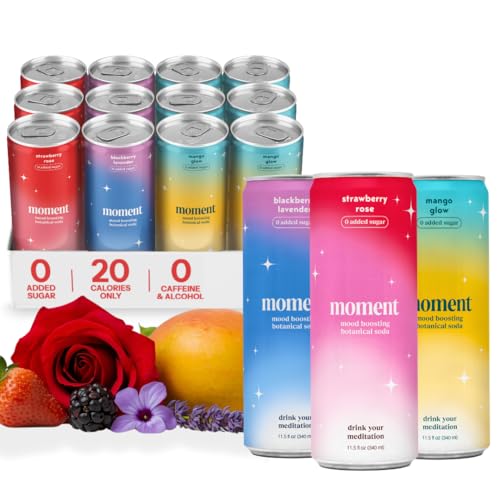
Botanical sparkling drinks, like the Moment Adaptogen Drink, add plant extracts such as hibiscus, mint, and adaptogens like ashwagandha and L-theanine. These offer zero sugar and caffeine with potential calming effects, suitable for those avoiding stimulants and sugar.
Protein sparkling drinks, like Premier Protein Sparkling Protein Soda, combine low sugar (3 grams per 12 oz) with added protein from whey isolate. They provide a refreshing soda-like experience with nutritional benefits for active lifestyles.
| Drink Type | Calories per 12 oz | Caffeine Content | Sugar Content | Acid Content |
|---|---|---|---|---|
| Regular Soda | 140-150 | 20-55 mg | About 39 g | High (citric, phosphoric) |
| Diet Soda | 0-5 | 20-55 mg | 0-1 g (artificial or stevia) | High |
| Seltzer/Sparkling Water | 0 | 0 | 0 | Low to none |
| Botanical Soda (e.g., Moment) | 0 | 0 | 0 | Low |
| Protein Sparkling Soda (Premier Protein) | 60-70 | 0 | 3 g (cane sugar, stevia) | Moderate |
If lowering acid intake is your goal, seltzer or botanical drinks with minimal added acids are your best bets. For fewer added sugars but still wanting a soda feel, stevia-sweetened and protein sparkling sodas offer a middle ground.
Why Acidity in Soda Matters for Your Health
Sodas tend to be highly acidic, and that acidity can irritate your digestive tract. The acids—often phosphoric, citric, or carbonic—lower the pH in your mouth and stomach lining, sometimes causing a burning sensation or worsening symptoms of reflux and ulcers.

That burning throat you feel after a sip is the acid irritating sensitive tissues. It’s a direct effect, not an allergy or unusual reaction. People with gastroesophageal reflux disease (GERD) or stomach ulcers should be especially cautious: acidic sodas can increase inflammation and delay healing.
Some sodas are less acidic than others. Cola drinks usually contain phosphoric acid, which can be harsher on your stomach than citric acid found in fruit-flavored sodas. Clear sodas like ginger ale tend to be milder, but they still carry acid and carbonation that might irritate you.
If you have reflux, ulcers, or a sensitive stomach, it’s best to limit soda to small amounts—think 4 to 6 oz at a time—and avoid drinking on an empty stomach. Drinking water before and after soda can help dilute the acid and reduce discomfort.
Ulcer patients should generally avoid soda because sustained acid exposure can slow healing and increase pain. If you already drank soda before knowing this, drinking water and eating a bland snack can help buffer the acid.
Choosing the least acidic soda means looking for options with citric acid and lower carbonation. Ginger ale and some lemon-lime sodas are usually less acidic than colas. Still, if you have acid-related digestive issues, even these might cause discomfort.
If you want to avoid acidity but enjoy bubbles, plain seltzer water is the best alternative. It’s free of added acids and sugars and usually won’t aggravate reflux or ulcers.
For those who need to manage symptoms closely, the acidity in soda is a real concern. Being informed helps you pick drinks that keep irritation low and avoid long-term damage.


