Who Owns BodyArmor Drink? The Coca-Cola Connection
On this page 6 sections
Many people wonder who owns BodyArmor because it’s often seen alongside major beverage brands. Coca-Cola first took a minority stake in 2018 and then bought the rest in 2021, making BodyArmor a key player in Coke’s sports drink lineup.
This ownership affects your options when choosing drinks because Coca-Cola positions BodyArmor as a premium, naturally flavored alternative to traditional sports drinks like Powerade.
Who Owns BodyArmor Drink? The Coca-Cola Connection
BodyArmor is fully owned by The Coca-Cola Company. Coca-Cola completed its acquisition of BodyArmor in 2021, making it a key part of their sports drink lineup alongside Powerade.
The connection began in 2018 when Coca-Cola made a minority investment in BodyArmor, a sports drink brand co-founded by professional athletes including Kobe Bryant and Lance Collins. This early partnership allowed Coca-Cola to support BodyArmor’s rapid growth and expand its distribution.
In 2021, Coca-Cola acquired full ownership of BodyArmor, integrating it into its lineup. This expanded BodyArmor’s reach through Coke’s broad retail and sports venue distribution.
Coca-Cola positions BodyArmor as a premium sports hydration choice, emphasizing natural ingredients like coconut water and no artificial sweeteners. This contrasts with Powerade, Coca-Cola’s established sports drink brand known for its broad availability and traditional flavor profiles.
BodyArmor targets consumers looking for a more natural sports drink option, which complements Powerade’s role in Coca-Cola’s overall sports beverage strategy rather than replacing it.

The acquisition also increased Coca-Cola’s market share in the sports drink category, which has seen rising consumer demand for premium and functional beverages. BodyArmor’s growth under Coca-Cola’s ownership reflects this trend toward healthier hydration options.
Other Drinks Owned by Coca-Cola Besides BodyArmor
Coca-Cola owns a wide range of drink brands across several categories, including sodas, water, sports drinks, and juices. Their portfolio is extensive and includes household names alongside newer premium options.
In sodas, Coca-Cola’s flagship brand is Coca-Cola Classic, followed by other famous sodas like Sprite and Fanta. These remain among the most popular carbonated beverages globally.
The company also owns a variety of bottled waters, including Dasani and Smartwater, which cater to consumers seeking caffeine-free and low-calorie hydration.
In sports drinks, Coca-Cola owns Powerade and BodyArmor. Powerade serves as a traditional sports drink with caffeine options, while BodyArmor is positioned as a premium, natural alternative with coconut water and antioxidants.
| Category | Key Coca-Cola Brands |
|---|---|
| Sodas | Coca-Cola Classic, Sprite, Fanta |
| Water | Dasani, Smartwater |
| Sports Drinks | Powerade, BodyArmor |
| Juices | Minute Maid, Simply Orange |
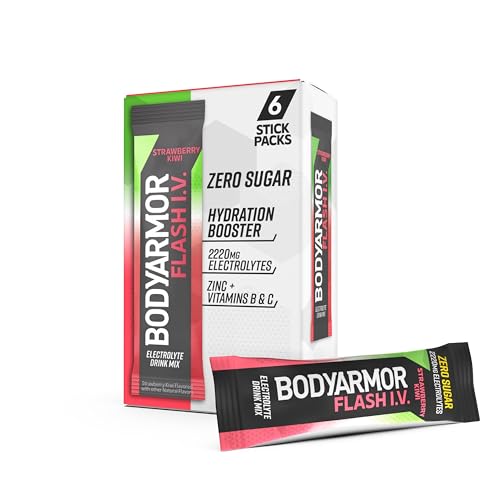
For those avoiding caffeine or sugar, Coca-Cola offers options like caffeine-free sodas and zero-sugar versions of its drinks, including Powerade Zero and BodyArmor Flash IV Zero Sugar electrolyte mix.
BodyArmor fits into the portfolio as a premium sports drink choice with a focus on natural ingredients and hydration support, complementing Coca-Cola’s existing brands and offering more variety for consumers with different needs or preferences.
Caffeine and Sugar Content in BodyArmor Drinks
BodyArmor drinks provide a modest caffeine boost only in the Edge line, with about 20 mg of caffeine per 12 oz serving. The standard BodyArmor sports drinks contain no caffeine, focusing instead on hydration and electrolytes.
The caffeine level in BodyArmor Edge is low compared to traditional energy drinks, which often have 80 mg or more per 8 oz. This means BodyArmor Edge can give you a light energy lift without the jitters some people experience from higher caffeine drinks.
Sugar content in the standard BodyArmor sports drinks is significant, typically around 21 to 22 grams per 12 oz bottle. This amount is higher than similar sports drinks like Powerade or Gatorade, which usually contain about 14 grams of sugar per 12 oz serving.
| Drink | Caffeine (mg) per 12 oz | Sugar (g) per 12 oz |
|---|---|---|
| BodyArmor Edge | 20 | 21-22 |
| BodyArmor Standard | 0 | 21-22 |
| Powerade | 0 | 14 |
| Gatorade | 0 | 14 |
Most healthy adults can safely consume up to 400 mg of caffeine daily, so a 12 oz BodyArmor Edge contributes a small fraction of that limit. However, the sugar in one bottle accounts for a substantial portion of the recommended limit of added sugar — about 25 grams per day for women and 36 grams for men.
For those wondering if BodyArmor drinks offer a real energy boost, the answer depends on the product. Only the Edge line includes caffeine to provide mild stimulation, while the standard drinks support hydration without caffeine or stimulants.
 Caffeine & Sugar Drink GuideKnow exactly how much caffeine, sugar and sodium is in 150+ popular drinks, and set daily limits that fit you.Caffeine and sugar in 150+ drinksDaily limits, smart swaps and a cut-back planDaily caffeine and sugar calculator (Excel)
Who Should Monitor Ingredients in BodyArmor Drinks?
Pregnant people should limit caffeine intake to about 200 mg daily, so BodyArmor Edge’s 20 mg per serving fits within that limit if consumed in moderation. However, the high sugar content in standard BodyArmor drinks may be a concern during pregnancy, as excess sugar can affect blood sugar control and fetal health.
People with heart rhythm issues should be cautious with caffeinated drinks like BodyArmor Edge since caffeine can sometimes trigger palpitations or irregular heartbeats. Those with kidney disease also need to monitor electrolyte-rich drinks carefully, as excessive potassium and sodium may worsen kidney function.
For individuals managing diabetes, the sugar load in standard BodyArmor drinks requires attention because it can elevate blood glucose levels. Choosing sugar-free options like the BODYARMOR Flash IV Zero Sugar Electrolyte Mix helps maintain better glycemic control.
Electrolyte content matters for some health conditions, including kidney disease or hypertension. Drinks with added potassium or sodium, like many BodyArmor formulas, might not be suitable without medical advice.
Checklist for Choosing BodyArmor or Coca-Cola Drinks
BodyArmor drinks are made at Coca-Cola’s manufacturing facilities in the US, where strict quality controls apply. Coca-Cola also owns other popular hydration and sports drinks like Powerade and Dasani water, giving you a wide range of choices for different needs.