Red Bull Caffeine Content: How Much Is in Each Can
On this page 9 sections
- Red Bull Red Edition Watermelon 8.4 oz vs Red Bull Red Edition Watermelon 12 oz at a Glance
- Red Bull Caffeine Content Compared
- How Sugar and Calories Differ Between Red Bull Flavors
- Why Acidity Matters for Your Stomach
- Electrolytes and Hydration with Red Bull
- Nutrients and Vitamins in Red Bull Editions
- Cost Per Serving and Value
- Taste Differences and Recommended Use
- More Questions, Answered
You want to know which Red Bull gives you the most caffeine. The answer is simple: the largest can size delivers the highest caffeine dose, while flavors mostly share the same caffeine level per ounce.
Sugar and calories vary more between flavors than caffeine does. This comparison breaks down caffeine, sugar, acidity, hydration, nutrients, cost, and taste to help you pick the best Red Bull for your needs.
Red Bull Red Edition Watermelon 8.4 oz vs Red Bull Red Edition Watermelon 12 oz at a Glance
| Factor | Red Bull Red Edition Watermelon 8.4 oz | Red Bull Red Edition Watermelon 12 oz |
|---|---|---|
| Caffeine content per can | 80 mg in 8.4 oz | About 114 mg in 12 oz |
| Sugar and calories | 27 g sugar, 110 calories | Varies, typically higher due to larger size |
| Acidity and stomach comfort | pH around 3, same acidity | Same pH, more volume may increase irritation |
| Electrolytes and hydration | Minimal sodium and potassium | Same minimal electrolytes, larger volume |
| Nutrients and vitamins | B3, B5, B6, B12, taurine | Same vitamins and taurine |
| Cost per serving | Lower total cost, smaller serving | Higher cost, better caffeine per dollar |
| Taste and recommended use | Fruity watermelon, lighter sweet | Same flavor, more suited for longer use |

Red Bull Red Edition Energy Drink, 4-Pack

Red Bull Red Edition Energy Drink, 8-Pack
Red Bull Caffeine Content Compared
All standard 8.4 oz Red Bull cans contain 80 mg of caffeine regardless of flavor or sugar content. This includes the original, Red Edition, and summer edition flavors — none have more caffeine per serving.
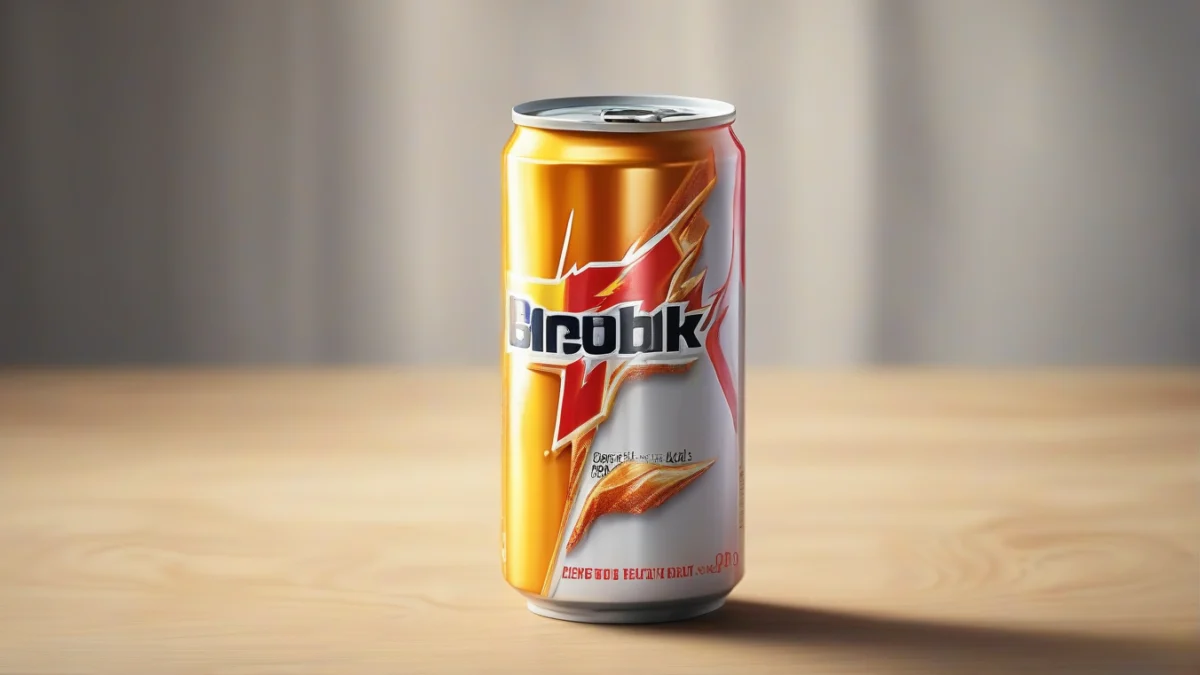
Larger cans come with proportionally more caffeine. A 12 oz can has about 114 mg, and a 16 oz can contains roughly 151 mg. The caffeine scales with the volume, not with different formulas or flavors.
Limited edition flavors keep the caffeine level at 80 mg per 8.4 oz can, matching the standard versions. So picking a special edition doesn’t mean extra caffeine.
Energy shots, which come in 2 oz bottles, pack about 80 mg of caffeine in a small, concentrated form. That makes them a quick way to get a caffeine boost, but they’re highly concentrated and should be used with caution.
| Product | Size | Caffeine (mg) |
|---|---|---|
| Standard Red Bull (all flavors) | 8.4 oz | 80 |
| Larger Red Bull Can | 12 oz | 114 |
| Larger Red Bull Can | 16 oz | 151 |
| Red Bull Energy Shot | 2 oz | 80 |
How Sugar and Calories Differ Between Red Bull Flavors
Sugar content varies widely among Red Bull flavors. The original and Red Edition each have about 27 grams of sugar per 8.4 oz can, which adds roughly 110 calories.
Sugarfree and Total Zero versions contain zero sugar and no calories. They provide the caffeine kick without the added sugar or energy from calories.
Sugar affects calories and blood sugar levels, which matters if you have diabetes or are managing your weight. Choosing sugarfree or Total Zero helps avoid those concerns while keeping caffeine intake steady.
Caffeine content stays consistent across sugar and sugar-free versions. Both types deliver 80 mg per 8.4 oz can, so your alertness level won’t change with your sugar choice.
| Flavor | Sugar (g) | Calories |
|---|---|---|
| Original | 27 | 110 |
| Red Edition | 27 | 110 |
| Sugarfree | 0 | 0 |
| Total Zero | 0 | 0 |
 Caffeine & Sugar Drink GuideKnow exactly how much caffeine, sugar and sodium is in 150+ popular drinks, and set daily limits that fit you.Caffeine and sugar in 150+ drinksDaily limits, smart swaps and a cut-back planDaily caffeine and sugar calculator (Excel)
Why Acidity Matters for Your Stomach
Red Bull is acidic, with a pH typically around 3, which can irritate sensitive stomachs and worsen reflux symptoms. The acidity comes from ingredients like citric acid and taurine, common in energy drinks.
Sugar-free Red Bull versions still have similar acidity levels, so they may be gentler on blood sugar but not necessarily on stomach lining. Acid can cause discomfort, especially if you have gastritis or acid reflux.
Drinking Red Bull with water can help dilute its acidity in your stomach, reducing irritation. Sipping water before, during, and after the energy drink may ease the impact.
Some people ask if Red Bull is high in caffeine on forums like Reddit. While caffeine is stimulating, the acidity—not caffeine—is the main cause of stomach irritation. About 80 mg per 8.4 oz can is moderate caffeine but acidity levels remain consistent across flavors.
Electrolytes and Hydration with Red Bull
Red Bull contains small amounts of sodium and potassium, two key electrolytes, but not enough to replace what you lose through sweat or illness. It is not designed as an electrolyte replacement drink.
Caffeine in Red Bull causes mild diuresis, meaning it can increase urine production slightly, but moderate amounts—like one 8.4 oz can—do not cause significant dehydration in most people.
To stay hydrated when drinking Red Bull, always have water alongside it. This helps maintain fluid balance and reduces any dehydrating effects of caffeine.
Nutrients and Vitamins in Red Bull Editions
Red Bull contains taurine and several B vitamins, including B3 (niacin), B5 (pantothenic acid), B6, and B12, which help support your body’s energy metabolism.
These nutrients appear in modest amounts and are consistent across all Red Bull flavors and can sizes. For example, a standard 8.4 oz can provides about 40-100% of the daily value for each B vitamin depending on the specific vitamin.
| Nutrient | Amount per Can | Daily Value (%) |
|---|---|---|
| Niacin (B3) | 20 mg | 125% |
| Pantothenic Acid (B5) | 5 mg | 100% |
| Vitamin B6 | 5 mg | 294% |
| Vitamin B12 | 5 mcg | 208% |
| Taurine | 1000 mg | Not established |
While these vitamins contribute to Red Bull’s energy-boosting profile, they’re not a substitute for a balanced diet. Getting B vitamins from food sources ensures you also receive other nutrients and fiber.
Taurine is an amino acid often added to energy drinks. Its exact benefits are still being studied, but it is included to support muscle function and nervous system health. The amount in Red Bull is the same regardless of flavor or can size.
Cost Per Serving and Value
Larger Red Bull cans cost more upfront but deliver more caffeine and calories per can, which can offer better value if you want a bigger boost.
Sugar-free and zero-calorie options usually have prices similar to their sugared counterparts but provide fewer or no calories, which matters if you are watching calorie intake.
Buying Red Bull in multi-packs often lowers the cost per can, making it more economical to stock up if you drink Red Bull regularly.
Comparing price per milligram of caffeine or per calorie can help you decide which option gives you the best value for your needs.
Prices vary by retailer and region, so check local pricing. If cost is a key factor, watching for multi-pack deals and comparing sizes helps.
Taste Differences and Recommended Use
Red Bull flavors differ notably, with the Red Edition Watermelon standing out for its fruity and lightly sweet profile. Sugar-free versions have a less sweet taste, often featuring artificial sweeteners that some find less pleasant. Your choice should reflect both your taste preference and dietary goals.
Smaller 8.4 oz cans suit quick boosts of alertness, delivering a standard 80 mg of caffeine without overwhelming volume. Larger cans extend your energy supply for longer sessions but come with more caffeine and sugar or calories. Consider the occasion and how long you need to stay sharp.
If you want a refreshing fruity flavor, the Red Edition Watermelon is a popular pick. For lower sugar or calorie intake, opt for sugar-free versions, though the taste is less sweet and can have a different mouthfeel. Always check the nutrition label to match your dietary needs.